

Vietnam is on the path toward one of the most ambitious infrastructure developments in its modern history—the North-South High-Speed Railway. Designed to connect Hanoi and Ho Chi Minh City with a travel time of approximately four hours, this landmark project represents much more than a faster way to travel. It symbolizes Vietnam’s commitment to modernization, sustainable development, and stronger regional integration.
As one of Southeast Asia’s fastest-growing economies, Vietnam has experienced remarkable progress in manufacturing, international trade, and foreign investment over the past two decades. However, rapid economic growth also places increasing pressure on transportation infrastructure. Roads become congested, airports operate at higher capacity, and traditional railway systems can no longer meet the demands of a modern economy. The proposed high-speed railway aims to address these challenges by creating a faster, safer, and more efficient transportation network that connects the country’s major economic centers.
A New Standard for Domestic Transportation
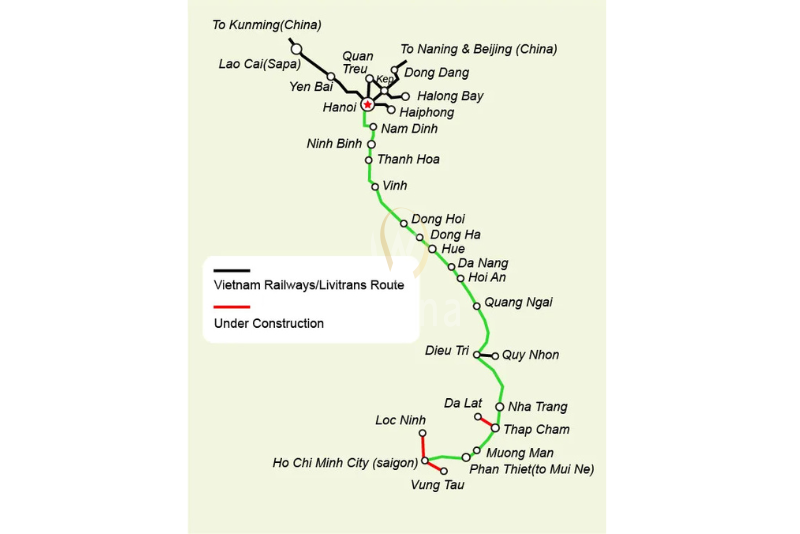
Today, traveling from Hanoi to Ho Chi Minh City by conventional railway takes more than 30 hours, while air travel requires additional time for airport procedures, security checks, and transportation to and from city centers. A high-speed rail system capable of completing the journey in around four hours would dramatically change the way people travel across Vietnam.
Business professionals could attend meetings in another city and return home the same day. Tourists would have greater flexibility to explore destinations throughout the country, while students, families, and workers would enjoy a more convenient and comfortable mode of transportation.
Beyond convenience, high-speed rail offers environmental advantages by reducing dependence on domestic flights and private vehicles. Modern rail systems generally produce lower carbon emissions per passenger than air travel, making them an important part of sustainable transportation strategies adopted by many developed countries.
Driving Economic Development Across Vietnam
Infrastructure has always been a key driver of economic growth. Every major transportation improvement creates new opportunities for businesses, investors, and local communities.
The North-South High-Speed Railway is expected to strengthen economic connections between northern, central, and southern Vietnam. Provinces located along the railway corridor could experience increased investment, improved accessibility, and stronger commercial activity. New industrial parks, logistics centers, commercial developments, and tourism projects may emerge around future railway stations, creating employment opportunities and stimulating regional economies.
Rather than concentrating development in only a few large cities, improved transportation networks encourage more balanced growth by making smaller provinces more attractive to investors. Businesses can expand operations into new markets while employees gain greater mobility to pursue career opportunities across different regions.
Many countries, including Japan, China, France, and Spain, have demonstrated how high-speed rail can become a catalyst for long-term economic transformation. Vietnam now has the opportunity to build upon these international experiences while developing a transportation system tailored to its own unique geography and economic needs.
Supporting a Stronger Logistics Network
Although the proposed railway primarily focuses on passenger transportation, its impact on the logistics industry should not be underestimated.
Efficient transportation infrastructure benefits every sector of the economy. As passengers shift from roads and domestic flights to high-speed rail, capacity within existing transportation networks can be utilized more effectively for freight movement. Reduced congestion on highways and at airports can improve overall logistics efficiency while lowering transportation costs.
Vietnam’s export-driven economy depends heavily on reliable logistics systems. Manufacturers require timely delivery of raw materials, while exporters need dependable transportation to ports and international shipping routes. Improved infrastructure helps businesses optimize supply chains, shorten delivery times, and enhance competitiveness in global markets.
For industries handling temperature-sensitive products, including frozen foods, maintaining efficient transportation networks is especially important. Every improvement in infrastructure contributes to stronger cold chain performance and greater reliability throughout the distribution process.
Expanding Regional Connectivity
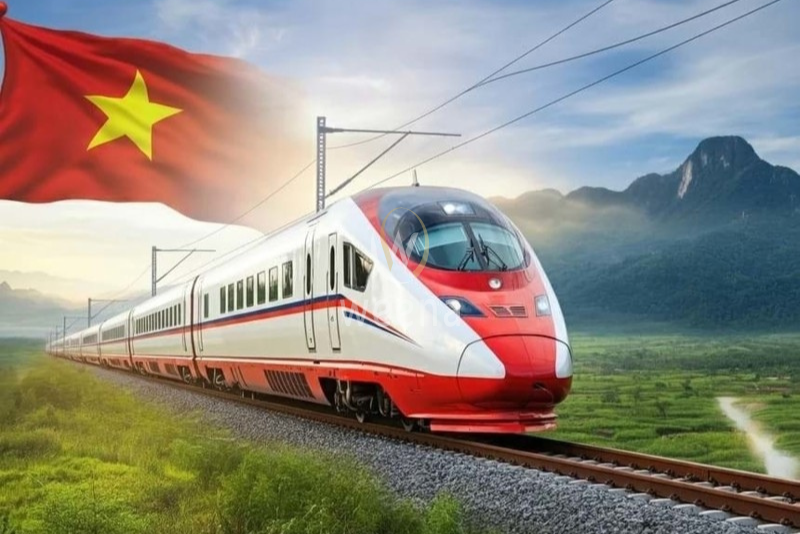
Another exciting aspect of Vietnam’s transportation future is the potential for greater international railway connectivity.
Vietnam continues to strengthen its economic relationships with neighboring countries, particularly China, one of its largest trading partners. Future railway connections linking Vietnam’s domestic network with cross-border rail systems could create additional transportation options for regional trade.
International rail transport would complement existing sea freight, road transport, and air cargo rather than replace them. Businesses would benefit from greater flexibility when selecting logistics solutions based on shipment size, delivery schedules, and cost considerations.
Enhanced regional connectivity also supports broader initiatives aimed at increasing economic cooperation throughout Asia. As supply chains become more integrated across borders, efficient transportation infrastructure becomes an increasingly valuable competitive advantage.
For exporters and importers, having access to multiple transportation modes improves resilience against disruptions while helping businesses adapt to changing market conditions.
Opportunities for International Trade
Vietnam has become one of the world’s leading export economies, supplying products ranging from electronics and textiles to agricultural and food products. Continued investment in transportation infrastructure strengthens the country’s ability to compete on the global stage.
International buyers increasingly evaluate suppliers based not only on product quality but also on logistics capabilities, delivery reliability, and supply chain efficiency. Faster transportation networks enhance Vietnam’s reputation as a dependable manufacturing and export destination.
As multinational companies diversify their supply chains, Vietnam continues to attract foreign direct investment due to its strategic location, skilled workforce, and expanding infrastructure. Projects like the North-South High-Speed Railway demonstrate the country’s long-term commitment to supporting sustainable economic growth.
Improved domestic connectivity also allows businesses to source products from different regions more efficiently, reducing operational costs while increasing production flexibility.
What This Means for the Frozen Food Industry
At Weena Trading Asia Investment Company, we understand that transportation plays a vital role in international food trade. Every stage of the supply chain—from processing facilities to cold storage warehouses, seaports, and overseas destinations—depends on efficient logistics and reliable infrastructure.
As a trusted supplier of premium frozen food products, including frozen beef, frozen chicken products, and frozen pork products, we recognize that infrastructure investments contribute to stronger supply chains across the industry. While the high-speed railway itself is designed primarily for passenger travel, the broader improvements it brings to Vietnam’s transportation ecosystem can positively influence logistics efficiency throughout the country.
Better connectivity between cities encourages investment in industrial zones, distribution centers, warehousing facilities, and supporting logistics services. These developments help businesses respond more quickly to customer demands while maintaining high standards of product quality and food safety.
For international customers, strong infrastructure reflects a nation’s ability to support consistent, reliable exports. This confidence is essential when building long-term partnerships in the global frozen food market.
Looking Toward the Future
The North-South High-Speed Railway remains a long-term project, but its significance extends far beyond transportation. It represents Vietnam’s ambition to become a more connected, innovative, and competitive economy capable of supporting future generations.
Combined with expanding seaports, modern airports, upgraded highways, and growing international trade partnerships, the railway has the potential to reshape the country’s economic landscape over the coming decades.
Infrastructure investments are not simply about moving people from one destination to another. They create opportunities for businesses, strengthen supply chains, attract investment, promote tourism, and improve quality of life for millions of people.
As Vietnam continues its remarkable economic journey, projects like the North-South High-Speed Railway demonstrate confidence in the country’s future and its growing role in the global economy.
At Weena Trading Asia Investment Company, we are excited to witness Vietnam’s continued transformation. As international trade expands and transportation networks become more advanced, we remain committed to delivering premium frozen food products with the quality, reliability, and professionalism that our partners around the world expect.
The future of Vietnam is being built not only through innovation and industry but also through the infrastructure that connects people, businesses, and opportunities. The North-South High-Speed Railway is more than a transportation project—it is a symbol of progress and a gateway to the next chapter of Vietnam’s economic success.
For further questions, please contact us through:
Weena Trading Asia Investment Company,
Address: No. 15, Lane 1, An Duong Vuong Street, Phu Thuong Ward, Hanoi
Email: s.wooning@weenatrading.com / hoa.nguyen@weenatrading.com
Phone: 034 6627970
No Comments