


In recent decades, Vietnam has transformed itself from an emerging agricultural economy into one of the world’s most important exporters of agricultural commodities. Today, Vietnamese products can be found in supermarkets, restaurants, food processing facilities, and manufacturing plants across Asia, Europe, the Middle East, and North America. From coffee and tea to cinnamon, black pepper, dragon fruit, sugar, and other agricultural products, Vietnam continues to strengthen its position as a reliable global supplier.
As international trade expands and global supply chains evolve, buyers are increasingly searching for partners that can provide consistent quality, competitive pricing, and dependable logistics. Vietnam offers all three advantages, making it an attractive sourcing destination for importers, distributors, wholesalers, and industrial buyers worldwide.
The Strategic Advantage of Vietnam
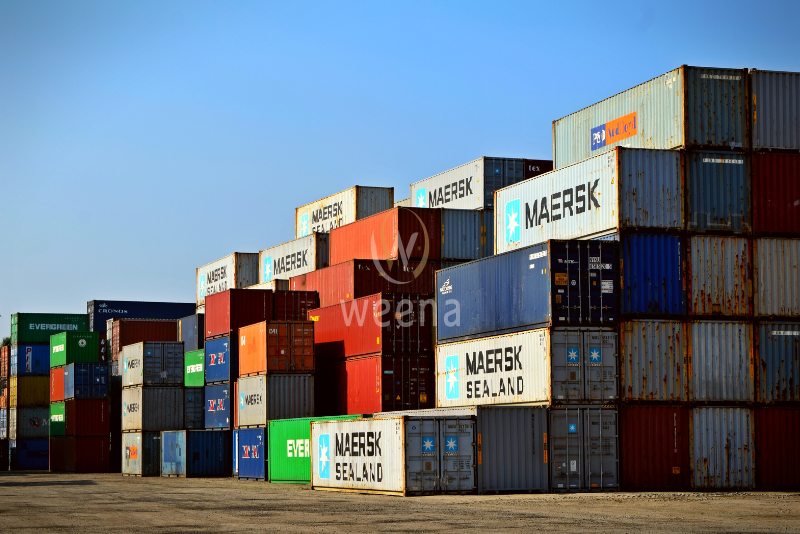
Vietnam’s geographical location gives it a unique advantage in international trade. Situated in the heart of Southeast Asia, the country has easy access to major shipping routes connecting Asia, the Middle East, Europe, and the Americas.
The country also benefits from a diverse climate that supports year-round agricultural production. Northern Vietnam is known for tea, spices, and various fruits, while the Central Highlands have become one of the world’s leading coffee-producing regions. Southern Vietnam contributes significantly to fruit exports, sugar production, and food processing industries.
This diversity enables Vietnam to supply a broad portfolio of agricultural commodities while maintaining stable production volumes throughout the year.
Growing Global Demand for Vietnamese Agricultural Products
The international market has increasingly recognized the quality and value of Vietnamese agricultural products.
Coffee remains one of Vietnam’s flagship exports. The country is among the world’s largest coffee exporters and has built a reputation for producing high-quality Robusta beans that are widely used in coffee blends, instant coffee production, and specialty beverages.
Tea is another important export category. Vietnamese tea varieties have gained popularity in international markets due to their distinctive flavors, competitive pricing, and reliable supply chains.
Similarly, spices such as cinnamon, black pepper, and chili products continue to experience strong demand from food manufacturers, retailers, and distributors around the world.
Fresh fruits, particularly dragon fruit, have also become major export products. Health-conscious consumers increasingly seek nutritious and exotic fruits, creating new opportunities for Vietnamese exporters.
Quality Standards Driving International Growth
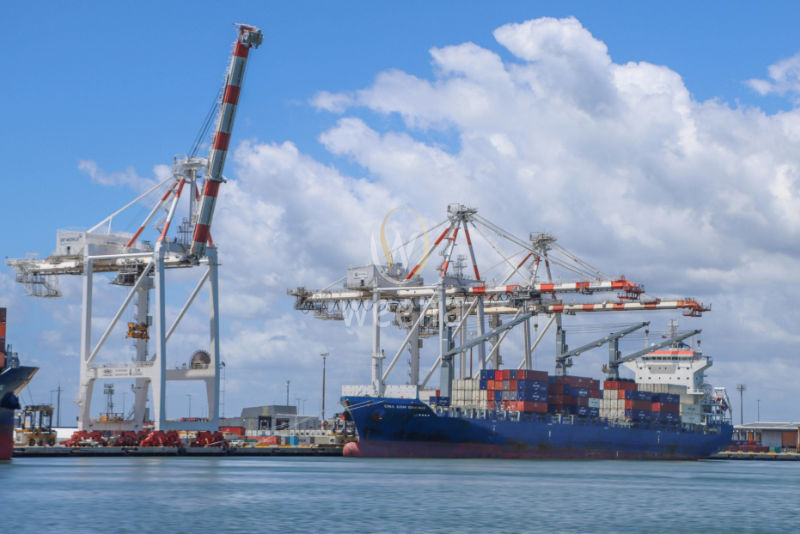
One of the most significant factors behind Vietnam’s export success is the continuous improvement of quality standards.
Modern agricultural practices, improved harvesting techniques, advanced processing facilities, and stricter quality control measures have helped Vietnamese producers meet the requirements of international markets.
Today’s buyers expect more than competitive pricing. They require product consistency, traceability, food safety compliance, and reliable documentation. Vietnamese suppliers have adapted to these expectations by investing in quality management systems and international certifications.
Quality assurance has become a critical component of successful export operations. Every stage of the supply chain—from sourcing and processing to packaging and transportation—must be carefully managed to ensure customer satisfaction.
Companies that prioritize quality control are better positioned to establish long-term relationships with international buyers and maintain sustainable growth.
The Rising Importance of the Middle East Market
The Middle East has emerged as one of the most promising destinations for Vietnamese agricultural exports.
Countries in the Gulf region rely heavily on imports to meet domestic demand for food products and agricultural commodities. Rapid population growth, urbanization, and increasing consumer purchasing power continue to drive demand across various product categories.
Dubai, in particular, serves as a major trading and distribution hub connecting Asia, Africa, and Europe. Businesses operating in Dubai often act as regional distributors, allowing products sourced from Vietnam to reach multiple markets through a single trading channel.
This creates significant opportunities for Vietnamese exporters seeking to expand their international presence.
The combination of strong demand, efficient logistics infrastructure, and strategic market access makes the Middle East an attractive destination for agricultural commodity exports.
Sustainability and Responsible Sourcing
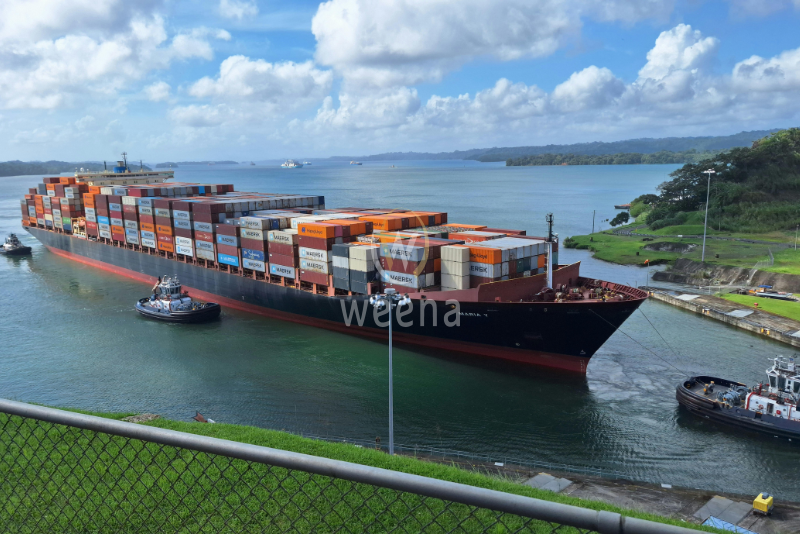
Global buyers increasingly prioritize sustainability when selecting suppliers.
Consumers today want to know where products come from, how they are produced, and whether environmental and social standards are being respected. This trend is influencing purchasing decisions across the entire supply chain.
Vietnamese producers are responding by adopting more sustainable farming methods, reducing waste, improving resource efficiency, and implementing responsible sourcing practices.
Sustainability is no longer simply a marketing advantage. It has become a business requirement for companies seeking long-term success in international markets.
Organizations that invest in sustainable agriculture are better positioned to attract international customers, strengthen their brand reputation, and meet evolving regulatory requirements.
Building Strong International Partnerships
Successful international trade depends on more than products alone.
Long-term partnerships are built on trust, communication, transparency, and reliability. Buyers want suppliers who understand their business objectives and can consistently deliver on commitments.
This is especially important in agricultural commodity trading, where factors such as weather conditions, market fluctuations, transportation challenges, and regulatory changes can affect supply chains.
Experienced trading companies play a crucial role in helping buyers navigate these complexities. By coordinating sourcing, quality control, documentation, logistics, and customer support, they create a smoother and more efficient trading experience.
Strong partnerships also enable businesses to identify new opportunities, adapt to market changes, and achieve sustainable growth together.
The Future of Vietnamese Agricultural Exports
The future of Vietnam’s agricultural export sector looks exceptionally promising.
Growing global demand for food products, increased international trade integration, technological advancements, and continued investment in agricultural infrastructure are creating new opportunities for exporters.
Emerging markets in the Middle East, Africa, and Asia are expected to become increasingly important destinations for Vietnamese commodities. At the same time, established markets in Europe and North America continue to offer significant growth potential.
Digital transformation is also reshaping the industry. Advanced supply chain management systems, real-time logistics tracking, and data-driven decision-making are helping exporters improve efficiency and enhance customer service.
As global markets become more interconnected, businesses that prioritize quality, sustainability, and innovation will be best positioned for long-term success.
Conclusion
Vietnam’s rise as a global agricultural export powerhouse is the result of strategic advantages, continuous quality improvements, strong production capabilities, and growing international demand.
From coffee and tea to spices, fruits, sugar, and other agricultural commodities, Vietnamese products continue to gain recognition in markets around the world. Buyers seeking reliable sourcing partners increasingly view Vietnam as a trusted destination for high-quality agricultural products.
For companies looking to expand their supply chains, diversify sourcing strategies, or enter new markets, Vietnam offers a compelling combination of quality, value, and opportunity.
As international trade continues to evolve, Vietnam is poised to remain a key player in the global agricultural commodity market for years to come.
For further questions, please contact us through:
Weena Trading Asia Investment Company,
Address: No. 15, Lane 1, An Duong Vuong Street, Phu Thuong Ward, Hanoi
Email: info@weena.vn
Phone: 034 6627970
No Comments