


When discussing international meat trade, products such as pork loin, bacon, and ham often dominate the conversation. However, one product that plays a surprisingly important role in global food markets is frozen pork ears. While considered a by-product in some countries, pork ears are highly valued in others, particularly across Asia, Latin America, and parts of Eastern Europe. Their unique texture, versatility in cooking, and cultural significance have contributed to a growing international trade network that connects producers, exporters, importers, processors, and consumers around the world.
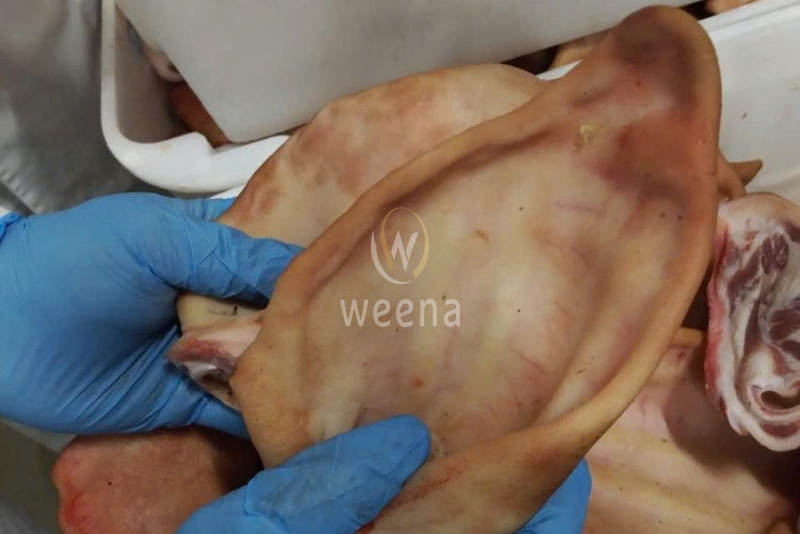
Frozen pork ears are primarily sourced from large-scale pork processing facilities. Instead of being discarded as waste, they are carefully cleaned, processed, frozen, and packaged for domestic consumption or international export. This practice not only generates additional revenue for meat processors but also supports sustainability by ensuring that more parts of the animal are utilized efficiently.
China remains one of the largest consumers of pork by-products, including pork ears. Popular dishes such as braised pork ears, spicy pork ear salads, and cold-cut appetizers have maintained strong demand for this product. Other countries, including Vietnam, the Philippines, South Korea, and Mexico, also have established markets where pork ears are appreciated for their flavor and texture. As a result, exporting countries such as the United States, Spain, Germany, Brazil, Canada, and Denmark have developed significant trade relationships with these importing nations.
One of the major advantages of frozen pork ears in international trade is their long shelf life. Through modern freezing technology, pork ears can be preserved for extended periods without significant loss of quality. This allows exporters to ship products over long distances while maintaining food safety standards. Frozen transportation also enables importers to manage inventory more effectively and respond to fluctuations in consumer demand.
The global frozen pork ear industry contributes substantial economic value to the meat processing sector. Products that might otherwise generate limited returns can become profitable export commodities. This additional revenue helps processors improve overall profitability and maximize carcass utilization. For many pork-producing countries, by-product exports represent an important component of agricultural trade income.
However, the frozen pork ear market is not without challenges. One of the most significant concerns is the risk of animal diseases. Outbreaks such as African Swine Fever (ASF) have dramatically affected global pork production in recent years. When disease outbreaks occur, importing countries often impose temporary restrictions or bans on pork products from affected regions. These measures can disrupt supply chains, create uncertainty in the market, and result in financial losses for exporters.
Food safety regulations also play a critical role in international trade. Importing countries typically enforce strict standards regarding hygiene, processing, packaging, labeling, and transportation. Exporters must comply with these requirements to gain and maintain market access. Failure to meet regulatory standards can result in shipment rejections, product recalls, or trade suspensions. Consequently, companies involved in frozen pork ear exports invest heavily in quality control systems and certification programs.

Another challenge facing the industry is fluctuating transportation costs. Since frozen pork ears require refrigerated storage and shipping throughout the supply chain, logistics expenses can represent a substantial portion of total costs. Increases in fuel prices, container shortages, port congestion, or disruptions to international shipping routes can significantly impact profitability. Maintaining an uninterrupted cold chain is essential to preserve product quality and ensure compliance with food safety requirements.
Consumer preferences are also influencing the future of the frozen pork ear market. As global populations become more diverse and multicultural, demand for traditional ethnic foods continues to expand. Restaurants, supermarkets, and specialty food retailers increasingly offer products that cater to various culinary traditions. This trend has created new opportunities for frozen pork ear suppliers to reach broader customer bases beyond their traditional markets.
At the same time, growing awareness of sustainability is encouraging greater utilization of animal by-products. Many consumers and industry stakeholders recognize that maximizing the use of each animal can reduce food waste and improve resource efficiency. Pork ears serve as an example of how by-products can be transformed into valuable food products rather than being discarded. This aligns with broader efforts to promote sustainable food systems and responsible agricultural practices.
Technological advancements are further supporting industry growth. Modern freezing methods, improved packaging materials, and enhanced traceability systems help maintain product quality while increasing supply chain transparency. Digital tracking technologies allow buyers and regulators to monitor products from processing facilities to final destinations, strengthening consumer confidence and regulatory compliance.
Despite occasional market fluctuations, long-term demand for frozen pork ears is expected to remain strong. Population growth, rising incomes, urbanization, and expanding food service sectors in many developing countries continue to support consumption. Furthermore, increasing international trade and improved logistics infrastructure make it easier for exporters to reach new markets around the world.
Businesses seeking success in the frozen pork ear industry must focus on several key areas. Maintaining high standards of food safety, ensuring reliable supply chains, adapting to changing consumer preferences, and complying with international regulations are all essential for sustainable growth. Companies that invest in innovation and quality management will be better positioned to compete in an increasingly globalized marketplace.
In conclusion, frozen pork ears represent a unique and valuable segment of the international meat trade. What may be considered a low-value by-product in some regions has become an important food commodity in many others. Through efficient processing, freezing technology, and global trade networks, frozen pork ears generate economic benefits for producers while satisfying consumer demand across diverse markets. As the industry continues to evolve, balancing food safety, sustainability, and market competitiveness will be critical to ensuring its long-term success.
For further questions, please contact us through:
Weena Trading Asia Investment Company,
Address: No. 15, Lane 1, An Duong Vuong Street, Phu Thuong Ward, Hanoi
Email: info@weena.vn
Phone: 034 6627970
No Comments