


Frozen Beef in the Modern Food Industry
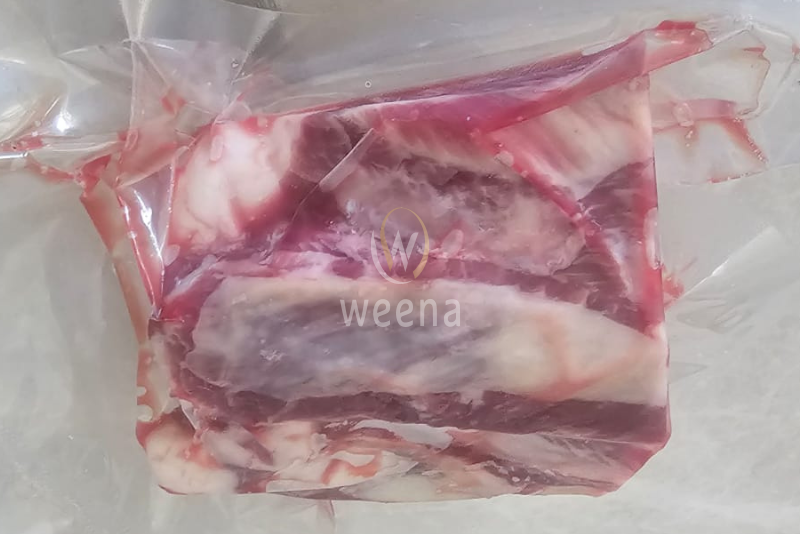
Frozen beef has become one of the most important protein products in the global food supply chain. As international demand for high-quality meat continues to rise, frozen beef offers an efficient, safe, and cost-effective solution for distributors, wholesalers, food manufacturers, restaurants, and retailers worldwide. Thanks to modern freezing technology and advanced cold chain logistics, frozen beef retains its nutritional value, texture, and flavor while remaining available throughout the year.
Unlike fresh beef, which has a relatively short shelf life, frozen beef allows businesses to manage inventory more effectively, reduce food waste, and expand into international markets without compromising quality. Whether used in premium restaurants, supermarkets, or food processing facilities, frozen beef provides consistency that businesses can rely on.
Why Frozen Beef Remains a Preferred Choice
The popularity of frozen beef is driven by several key advantages that benefit both suppliers and consumers.
Extended Shelf Life
One of the greatest benefits of frozen beef is its significantly longer shelf life. When stored at appropriate temperatures, frozen beef can maintain its quality for months, allowing importers and distributors to plan their supply more efficiently.
This longer storage period reduces product losses caused by spoilage while ensuring that customers always have access to quality beef regardless of seasonal production fluctuations.
Preserved Freshness and Nutrition
Modern quick-freezing technology locks in the meat’s natural moisture shortly after processing. Proper freezing helps preserve important nutrients such as:
- High-quality protein
- Iron
- Zinc
- Vitamin B12
- Essential amino acids
When thawed correctly, frozen beef delivers a taste and texture that closely resembles fresh beef, making it suitable for both home cooking and professional food service.
Reliable Supply Throughout the Year

Global demand for beef remains stable regardless of season. Frozen beef enables suppliers to maintain consistent availability throughout the year, ensuring restaurants, hotels, supermarkets, and manufacturers never experience interruptions in supply.
This consistency is particularly valuable for businesses that require dependable inventory planning and predictable purchasing schedules.
Applications Across Multiple Industries
Frozen beef serves a wide range of industries beyond traditional retail.
Food Service
Restaurants, hotels, cafés, and catering companies rely heavily on frozen beef because it provides consistent quality and portion control. Popular applications include:
- Steaks
- Burgers
- BBQ dishes
- Hot pot
- Beef noodles
- Stir-fried meals
- Grilled specialties
Professional chefs appreciate frozen beef because standardized cuts help maintain consistent menu quality.
Food Processing
Manufacturers use frozen beef as a primary ingredient in products such as:
- Meatballs
- Sausages
- Ready-to-eat meals
- Frozen convenience foods
- Canned meat products
- Instant meal kits
Reliable raw materials help manufacturers achieve consistent production standards while minimizing waste.
Retail Distribution
Supermarkets and grocery chains benefit from frozen beef’s long shelf life and easy inventory management. Consumers also appreciate the convenience of purchasing frozen beef for future use without worrying about immediate consumption.
The Importance of Cold Chain Management
Maintaining product quality depends heavily on an uninterrupted cold chain.
Every stage—from processing facilities to shipping containers, warehouses, distribution centers, and retail freezers—must maintain stable temperatures to preserve food safety and freshness.
Professional cold chain management helps:
- Prevent bacterial growth
- Preserve meat texture
- Maintain nutritional value
- Reduce product waste
- Ensure regulatory compliance
Businesses that invest in reliable cold chain logistics are better positioned to deliver premium frozen beef to customers around the world.
Quality Standards Matter
International buyers increasingly demand frozen beef that meets strict food safety requirements.
Leading suppliers implement comprehensive quality control measures including:
Careful Animal Selection
Healthy livestock raised under proper farming practices contributes to higher-quality beef with better texture and flavor.
Hygienic Processing
Processing facilities follow strict sanitation procedures designed to minimize contamination and ensure food safety throughout production.
Rapid Freezing
Quick freezing shortly after processing helps preserve cellular structure, reducing moisture loss during thawing.
Secure Packaging
Durable export packaging protects products during long-distance transportation while maintaining hygiene and preventing freezer burn.
Traceability
Many suppliers now provide complete traceability systems, allowing buyers to verify production batches, processing dates, and product origins.
These quality measures increase buyer confidence and strengthen long-term business relationships.
Sustainability in Frozen Beef Supply
Sustainability has become a growing priority throughout the meat industry.
Responsible suppliers are investing in:
- Energy-efficient freezing technologies
- Reduced packaging waste
- Improved transportation efficiency
- Better livestock management practices
- Environmentally responsible production methods
Optimized logistics also reduce unnecessary transportation, lowering fuel consumption and improving overall supply chain efficiency.
As consumers become increasingly aware of environmental issues, sustainable sourcing practices provide an additional competitive advantage.
Choosing the Right Frozen Beef Supplier
Selecting the right supplier is critical for importers and distributors.
Important factors to evaluate include:
- Consistent product quality
- International food safety certifications
- Reliable production capacity
- Stable supply throughout the year
- Competitive pricing
- Strong export experience
- Efficient cold chain logistics
- Responsive customer support
Long-term partnerships with experienced suppliers help businesses maintain steady inventory while reducing procurement risks.
Meeting Global Market Demand
Population growth, urbanization, and changing dietary habits continue to increase global demand for beef products.
Many countries rely on imported frozen beef to satisfy domestic consumption due to limited local production or seasonal shortages.
Emerging markets, expanding restaurant industries, and growing retail sectors continue to create new opportunities for international frozen beef suppliers.
Advancements in logistics and refrigerated shipping have made cross-border trade more efficient than ever before, enabling businesses to source premium frozen beef from trusted producers around the world.
Looking Ahead
The frozen beef industry is expected to continue expanding as technology, logistics, and consumer preferences evolve. Improvements in freezing methods, packaging innovations, and digital supply chain management will further enhance product quality and operational efficiency.
For wholesalers, importers, retailers, and food service providers, frozen beef represents far more than a preserved meat product—it is a dependable solution that combines quality, convenience, food safety, and global accessibility.
Businesses that prioritize trusted sourcing, rigorous quality control, and reliable cold chain management will be well positioned to meet growing international demand. As global trade continues to connect producers and buyers across continents, frozen beef will remain an essential product supporting food security, culinary diversity, and sustainable business growth for years to come.
For further questions, please contact us through:
Weena Trading Asia Investment Company
Address: No. 15, Lane 1, An Duong Vuong Street, Phu Thuong Ward, Hanoi
Email: s.wooning@weenatrading.com / hoa.nguyen@weenatrading.com
Phone: 034 6627970
No Comments