


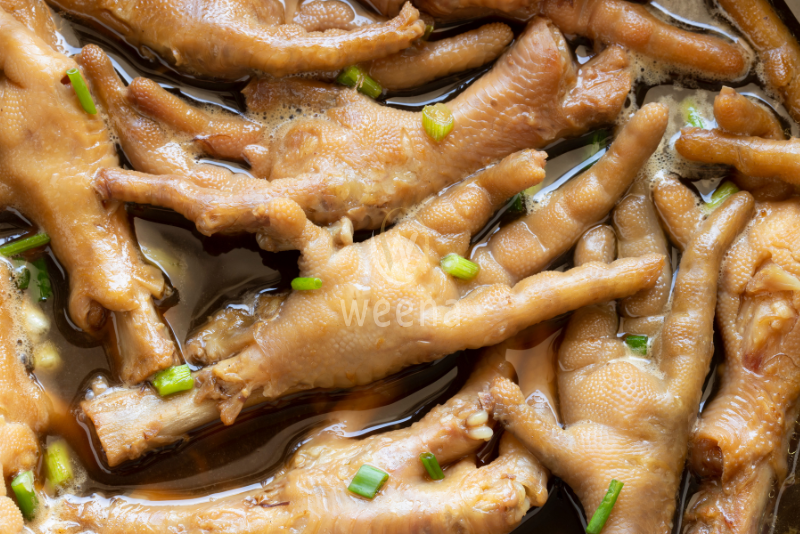

Chicken feet, while often overlooked in some cultures, are considered a delicacy in many parts of the world. Their unique texture, versatile culinary applications, and cultural significance make them a fascinating ingredient worth exploring. Let’s dive into their history, uses, nutritional value, and global popularity.
The History and Cultural Significance of Chicken Feet

The use of chicken feet in cooking dates back centuries. Early civilizations, particularly in Asia, Africa, and Latin America, valued the principle of minimizing waste, using every part of an animal—including chicken feet—in their cuisine. This approach, often referred to as “nose-to-tail” eating, was driven by necessity and resourcefulness but evolved into a philosophy celebrated for its sustainability.
Chicken feet are emblematic of resourceful cooking. They are particularly popular in Chinese, Filipino, Jamaican, Thai, Mexican, and South African cuisines, where they have become integral to traditional dishes. These humble ingredients are often transformed into culinary masterpieces, showing that deliciousness isn’t limited to premium cuts of meat.
In many cultures, chicken feet are also symbolic. For example, in China, they are often served during family gatherings and celebratory meals, representing prosperity and abundance. In Jamaican cuisine, chicken feet are associated with hearty, flavorful soups that evoke comfort and tradition.
Culinary Uses of Chicken Feet
What makes chicken feet special in the culinary world is their unique texture. Unlike traditional cuts of meat, chicken feet are primarily composed of skin, tendons, and cartilage, which results in a gelatinous, chewy consistency when cooked. This texture is highly prized in many cuisines.
1. Chinese Dim Sum
Chicken feet, known as “凤爪” (fèng zhuǎ) or “phoenix claws” in Chinese, are a popular dim sum dish. The feet are typically deep-fried, then braised in a flavorful sauce made with soy, garlic, and spices. The cooking process renders the feet tender, allowing the collagen-rich skin and cartilage to be enjoyed.
2. Filipino Adobong Adidas
In the Philippines, chicken feet are affectionately called “adidas,” referencing their resemblance to three-striped sneakers. Adobong adidas is a classic dish where chicken feet are simmered in vinegar, soy sauce, garlic, and bay leaves. The result is a tangy, savory dish that pairs well with rice.
3. South African Chicken Feet Stew
In South Africa, chicken feet are often used in stews or grilled as a street food snack called “walkie talkies.” The stews are hearty, combining chicken feet with vegetables and spices to create a dish full of flavor and rich in nutrients.
4. Mexican Chicken Feet Soup
In Mexico, chicken feet are used to make caldo de pollo (chicken soup). The feet contribute collagen to the broth, giving it a velvety texture and deep flavor. The soup is often seasoned with herbs, lime, and chili, creating a comforting meal.
5. Thai Spicy Chicken Feet Salad
Thailand offers a refreshing take on chicken feet with dishes like yam din daeng, a spicy salad made with boneless chicken feet, lime juice, chili, and fresh herbs. The dish balances heat and tanginess, providing a vibrant eating experience.
6. Jamaican Chicken Foot Soup
In Jamaica, chicken foot soup is a hearty dish prepared with yams, dumplings, and yellow split peas. The feet impart a distinct flavor to the soup and are highly valued for their gelatinous texture.
Nutritional Benefits of Chicken Feet
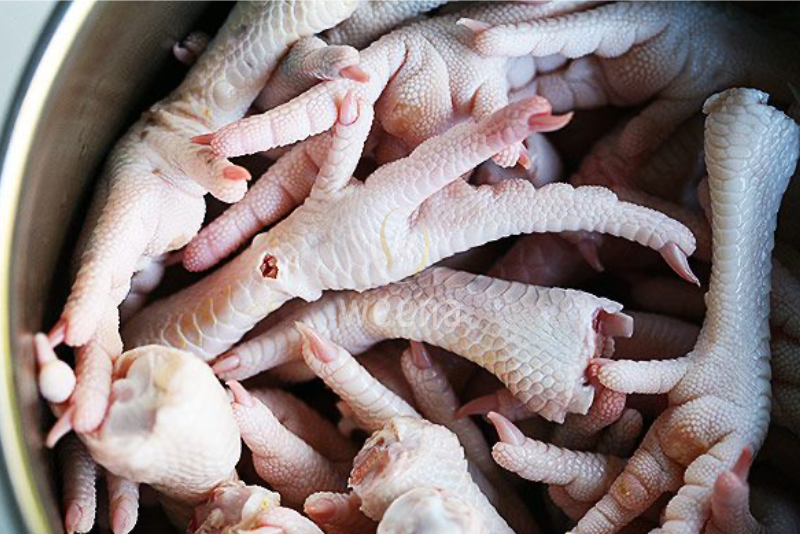
Chicken feet are surprisingly nutritious, thanks to their composition of collagen, protein, and essential minerals. Here’s a breakdown of their health benefits:
1. Rich in Collagen: Chicken feet are an excellent source of collagen, a protein that supports skin elasticity, joint health, and digestion. Collagen is also believed to promote hair and nail growth.
2. High in Protein: The protein content in chicken feet helps build and repair tissues, making them an excellent addition to a balanced diet.
3. Low in Fat: While chicken feet are nutrient-dense, they are relatively low in fat, particularly when prepared without deep-frying.
4. Mineral Content: Chicken feet contain important minerals like calcium, magnesium, and phosphorus, which are essential for strong bones and overall health.
However, the nutritional benefits depend on the preparation method. Deep-fried chicken feet, while delicious, may increase calorie and fat intake. Braised or boiled preparations are typically healthier options.
Ethical and Sustainable Eating
Chicken feet are a great example of sustainable eating. They embody the principle of reducing food waste by utilizing parts of the animal that might otherwise be discarded. Their popularity in many cuisines highlights the importance of appreciating ingredients that may seem unconventional in some cultures.
Ethical sourcing is also important. Consumers are increasingly aware of the conditions in which chickens are raised, and many seek free-range or organically farmed chickens to ensure higher quality and better animal welfare standards.
Fun Facts About Chicken Feet

– Global Appeal: Chicken feet are consumed in many countries across Asia, Africa, the Americas, and the Caribbean, showcasing their universal appeal.
– Collagen Craze: The high collagen content in chicken feet has led to their popularity in the beauty and wellness industries, where collagen is touted for its anti-aging properties.
– Economic Value: Chicken feet are often a cost-effective ingredient, making them accessible to a wide range of people.
– Cultural Nicknames: In addition to being called “adidas” in the Philippines, chicken feet are humorously referred to as “walkie talkies” in South Africa.
Cooking Tips and Techniques
Preparing chicken feet might seem intimidating, but with a little know-how, they can be transformed into delicious dishes:
1. Cleaning: Proper cleaning is crucial. The outer skin and nails must be removed before cooking. Many pre-packaged chicken feet are already cleaned.
2. Cooking Methods:
– Boiling: A quick boil helps to soften the feet and prepare them for further cooking.
– Deep-Frying: For dishes like Chinese dim sum, frying the feet before braising adds texture and flavor.
– Braising: Slow cooking in a savory sauce infuses the feet with flavor and tenderizes the cartilage.
3. Deboning: For salads or soups, some recipes require the feet to be deboned after cooking. While time-consuming, this step ensures a more enjoyable eating experience.
Modern Trends and Popularity
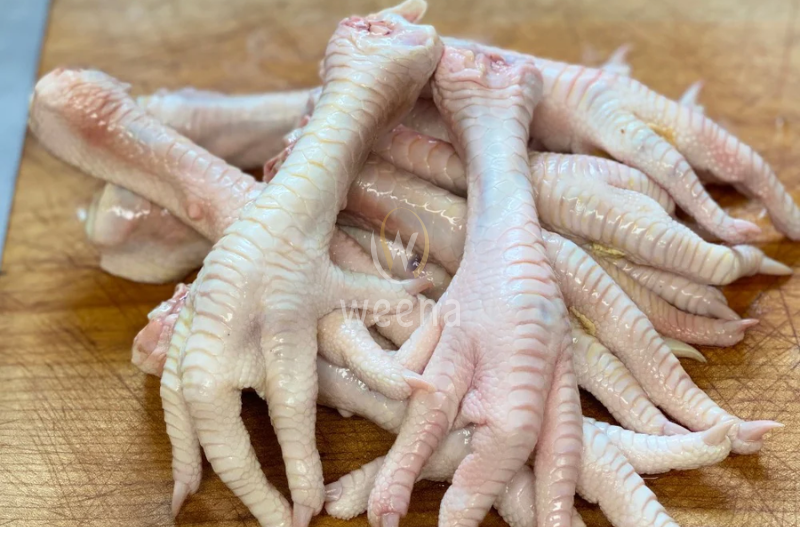
Chicken feet have gained recognition beyond traditional markets, making their way into mainstream cuisine and even trendy restaurants. Chefs are reimagining classic recipes, elevating chicken feet to gourmet status with creative presentations and innovative flavor profiles.
In addition, the focus on sustainability and nose-to-tail cooking has boosted interest in using ingredients like chicken feet. By embracing such ingredients, chefs and home cooks alike contribute to reducing food waste and expanding their culinary horizons.
Chicken feet represent a fascinating intersection of tradition, innovation, and sustainability. Whether enjoyed as a savory dim sum dish, a hearty soup, or a spicy salad, chicken feet remind us of the importance of appreciating every part of the animal and the rich cultural heritage embedded in food. They are a true testament to how resourcefulness and creativity can turn humble ingredients into extraordinary meals.
For further questions, please contact us through:
Weena Trading Asia Investment Company,
Address: No. 15, Lane 1, An Duong Vuong Street, Phu Thuong Ward, Tay Ho, Hanoi
Email: info@weena.vn
Phone: 092 591 3986




No Comments