



Deep in the emerald folds of northern Vietnam’s highlands, where clouds kiss the peaks and forests hum ancient songs, a unique tea grows wild and unspoiled—Shan Tuyết Tea. More than just a beverage, it is a symbol of cultural identity, spiritual reverence, and sustainable livelihood for generations of ethnic minorities in Vietnam. Revered for its pure taste and mystical origin, Shan Tuyết Tea (meaning “Snow Shan Tea”) is a gift of nature shaped by time, tradition, and the touch of mountain hands.
Where the Story Begins: The Mountains of Hà Giang, Yên Bái, and Lào Cai
Shan Tuyết tea trees are not ordinary tea bushes found in cultivated plantations. They are ancient, towering trees, some over 300 years old, standing like guardians in the mist-covered mountains of Hà Giang, Yên Bái, Lào Cai, and Điện Biên. These regions, situated at altitudes ranging from 1,200 to 2,000 meters, offer a unique microclimate—cool temperatures, high humidity, and rich biodiversity.
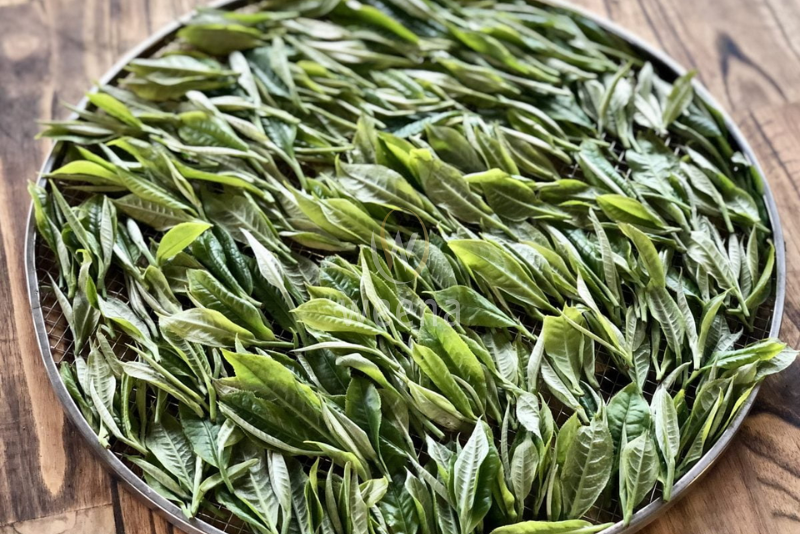
The name “Shan Tuyết” comes from the fine layer of white fuzz—resembling snow—that coats the buds and young leaves. This silver down is a natural sign of freshness and quality. The tea leaves themselves are thick, dark green, and incredibly resilient—adapted to survive harsh mountain conditions, with roots reaching deep into the mineral-rich soil.
These ancient trees are typically untouched by chemical fertilizers or pesticides. They grow wild and tall, often requiring harvesters to climb high branches, sometimes with ropes, to pluck just the tenderest leaves. It is a labor of love passed down through generations of ethnic minorities such as the H’mong, Dao, and Tay people.
A Sacred Harvest: Tea as Culture and Spiritual Offering
For the ethnic communities of Vietnam’s northwest, Shan Tuyết tea is more than a crop—it is sacred. The tea trees are often considered spiritual beings. Some are believed to be protected by forest spirits or local deities. Offerings are made before the first spring harvest. Only elders or trusted family members are allowed to harvest from the oldest trees.
Harvesting Shan Tuyết is done by hand, typically three times a year—spring, summer, and autumn. The first flush in early spring is the most prized, known for its delicate floral aroma and light, sweet taste. Each family has its own traditional methods of drying, rolling, and curing the tea—often in bamboo baskets over wood fires, with no modern machines involved.
This artisanal process ensures that the tea retains its unique terroir—the flavor of the land, the mist, the altitude, and the soul of the forest.
The Flavor: Bold Yet Gentle, Misty Yet Clean
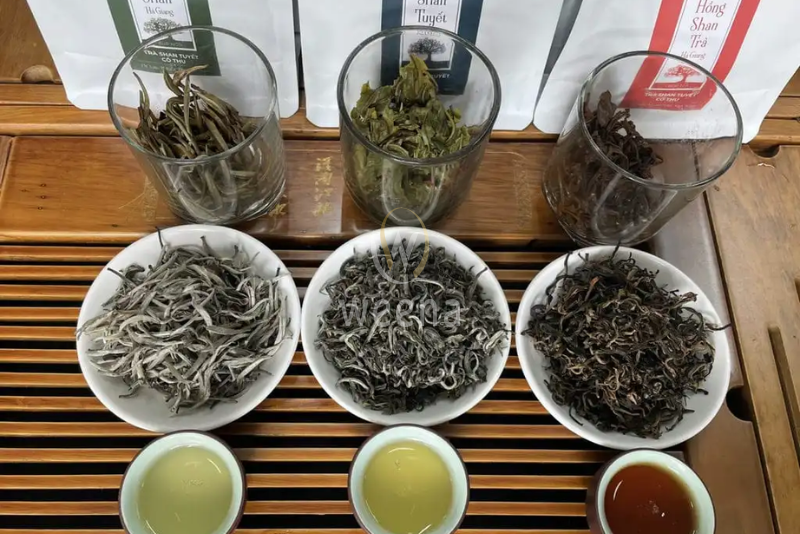
What makes Shan Tuyết tea truly exceptional is its flavor profile, shaped by nature’s extremes and human care. Depending on the type—green, white, black, or pu-erh—the tea offers a broad range of taste experiences.
Shan Tuyết Green Tea: Pale jade in color, it has a mild astringency, a deep vegetal note, and a sweet aftertaste that lingers like mountain mist.
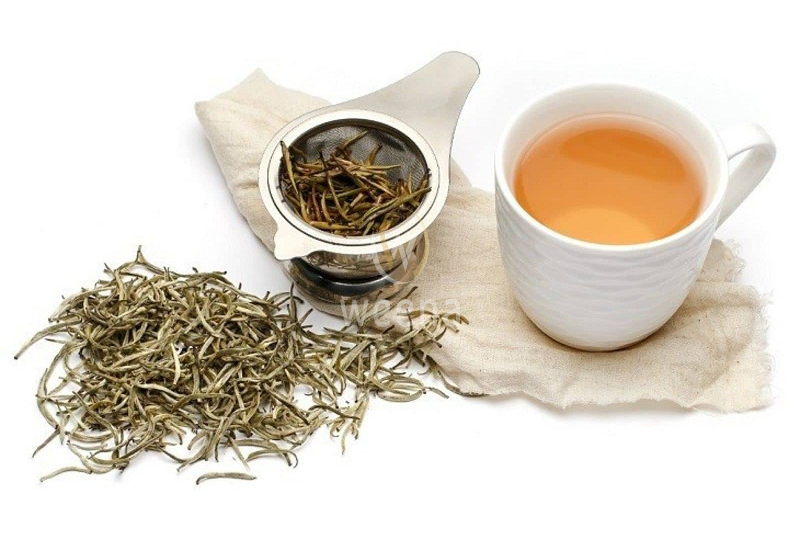
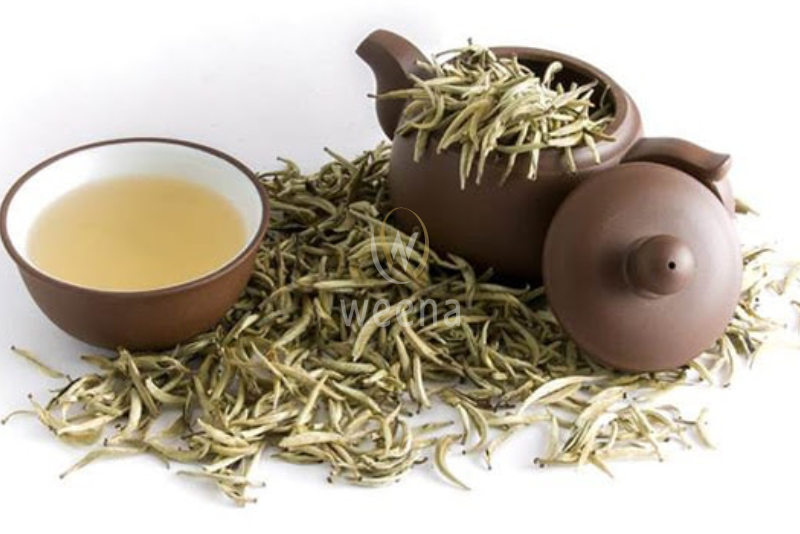
Shan Tuyết White Tea: Made from young buds with silvery hairs, it has a delicate, floral aroma and a silky mouthfeel.
Shan Tuyết Black Tea: Oxidized slowly in the mountain air, it delivers notes of honey, malt, and forest wood.
Shan Tuyết Pu-erh Tea: Aged over years, this fermented version develops earthy, smoky, and smooth characteristics appreciated by connoisseurs.
Each cup tells the story of its place of origin—its high-altitude fogs, clean air, old trees, and traditional harvest rituals.
From Forest to World: Shan Tuyết in the Global Market
For centuries, Shan Tuyết tea was consumed locally or exchanged among mountain communities. In recent decades, however, it has captured the attention of tea enthusiasts worldwide, especially as consumers seek organic, ethical, and artisanal products.
Vietnamese companies, cooperatives, and exporters now work to promote Shan Tuyết tea to global markets like Japan, Europe, and the Middle East. Its unique qualities—wild-grown, hand-picked, and free from chemicals—make it highly appealing to premium buyers.
Yet the path to global recognition is not without challenges. Due to limited access to modern processing, transportation, and branding tools, many ethnic farmers still sell raw tea leaves at low prices to middlemen. This creates a risk of losing the value-added potential of their traditional knowledge.
Preserving the Legacy: Sustainability and Cultural Heritage
The future of Shan Tuyết tea depends on a careful balance of commercial development and cultural preservation. NGOs, government programs, and socially responsible companies are increasingly investing in:
Fair Trade Certification
Organic Certification
Training in post-harvest techniques
Tourism tied to tea culture
Some villages have begun offering tea tourism, where visitors can hike into ancient forests, harvest with local families, and taste tea by a fire under starry skies. These immersive experiences not only boost local income but also foster appreciation for the cultural and ecological value of the tea.
Moreover, efforts are underway to document and protect the genetic diversity of Shan Tuyết trees, which may offer resistance to climate change and pests—making them a global treasure for future generations.
Conclusion: A Tea Beyond Time
Shan Tuyết Tea is not just one of Vietnam’s finest agricultural exports—it is a living heritage. Each tree stands as a witness to history, each leaf a poem of survival and grace. It bridges the past and the future, the mountain and the world, the sacred and the everyday.
To drink Shan Tuyết is not merely to quench thirst but to taste the fog of the mountains, to honor ancient trees, and to share in the hands of the people who have cared for them for centuries.
In a world that often races toward automation and uniformity, Shan Tuyết reminds us of the beauty of things that grow wild, slowly, and with soul.
For further questions, please contact us through:
Weena Trading Asia Investment Company,
Address: No. 15, Lane 1, An Duong Vuong Street, Phu Thuong Ward, Tay Ho, Hanoi
Email: info@weena.vn
Phone: 092 591 3986




No Comments