



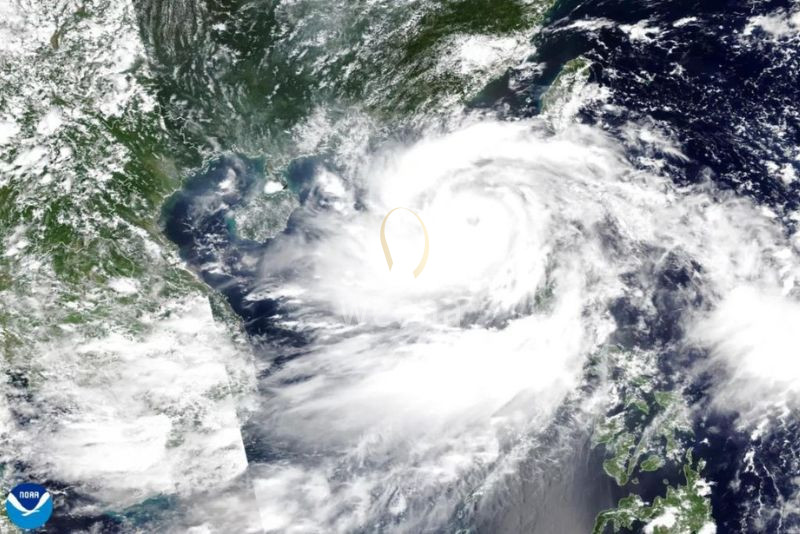

Typhoon Yagi, one of the most powerful storms to hit Vietnam in recent decades, made landfall in early September 2024, leaving a trail of destruction in its wake. This essay explores the impact of Typhoon Yagi on Vietnam, highlighting the storm’s ferocity, the immediate aftermath, and the resilience of the Vietnamese people.
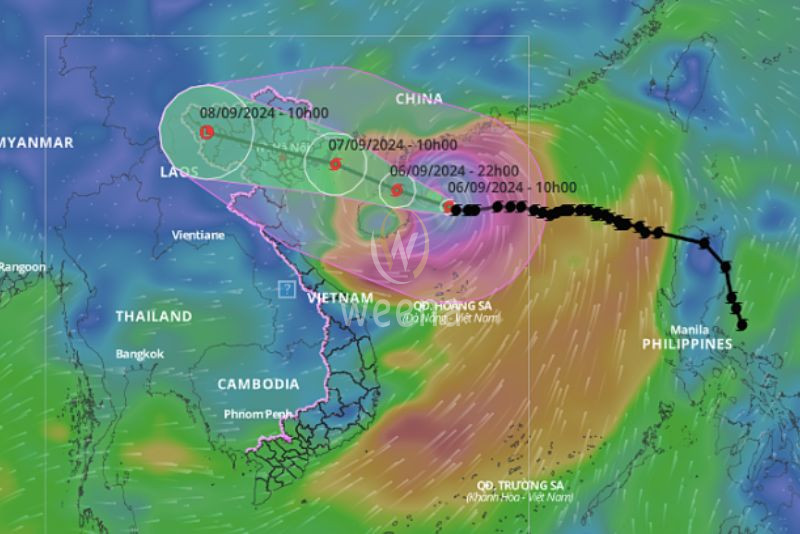
The Arrival of Typhoon Yagi
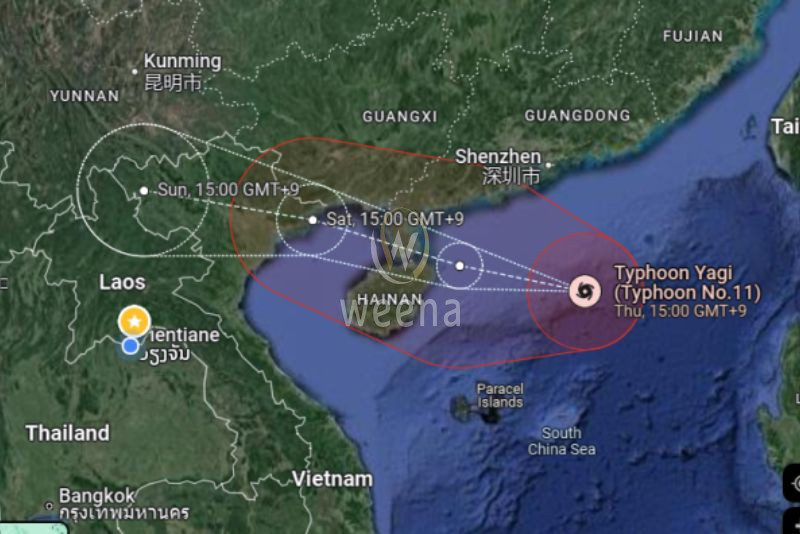
Typhoon Yagi, with winds reaching up to 150 km/h (92 mph), struck northern Vietnam with unprecedented force1. The storm brought torrential rains, causing widespread flooding and landslides. Provinces such as Thai Nguyen and Yen Bai were among the hardest hit, with entire communities submerged under water1. The storm’s intensity was such that it collapsed the Phong Chau bridge in Phu Tho province, plunging vehicles into the river below2.
Immediate Aftermath
The immediate aftermath of Typhoon Yagi was catastrophic. Over 127 people lost their lives, and 54 others were reported missing1. The storm left 1.5 million people without power, and thousands were stranded on rooftops, awaiting rescue1. The flooding and landslides not only claimed lives but also caused significant damage to infrastructure, including homes, factories, and roads. The collapse of the Phong Chau bridge was a stark reminder of the storm’s destructive power2.
Human Stories of Survival and Loss
Amid the devastation, stories of survival and loss emerged. Phan Thi Tuyet, a resident of a riverside community, recounted how she lost everything to the floodwaters1. Clutching her two dogs, she described the harrowing experience of fleeing to higher ground, leaving behind all her possessions. Similarly, Nguyen Minh Hai, who was crossing the Phong Chau bridge on his motorcycle when it collapsed, spoke of his narrow escape from death2. These personal accounts underscore the human cost of natural disasters.
The Resilience of the Vietnamese People
Despite the widespread destruction, the resilience of the Vietnamese people shone through. Communities came together to support one another, and rescue operations were swiftly mobilized. The government issued flood and landslide warnings for affected areas and coordinated efforts to evacuate residents to safer locations1. Schools in 12 northern provinces, including Hanoi, were temporarily closed to ensure the safety of students2.
Long-term Implications
The long-term implications of Typhoon Yagi are profound. The storm highlighted the vulnerability of Vietnam to extreme weather events, which are becoming more frequent and intense due to climate change1. It also underscored the need for improved infrastructure and disaster preparedness to mitigate the impact of future storms. As Vietnam rebuilds, there is a renewed focus on enhancing resilience and adapting to the changing climate.
Conclusion
Typhoon Yagi was a stark reminder of the destructive power of nature and the resilience of the human spirit. While the storm caused significant loss and hardship, it also brought communities together and highlighted the importance of preparedness and adaptation. As Vietnam continues to recover, the lessons learned from Typhoon Yagi will be crucial in building a more resilient future.




No Comments