



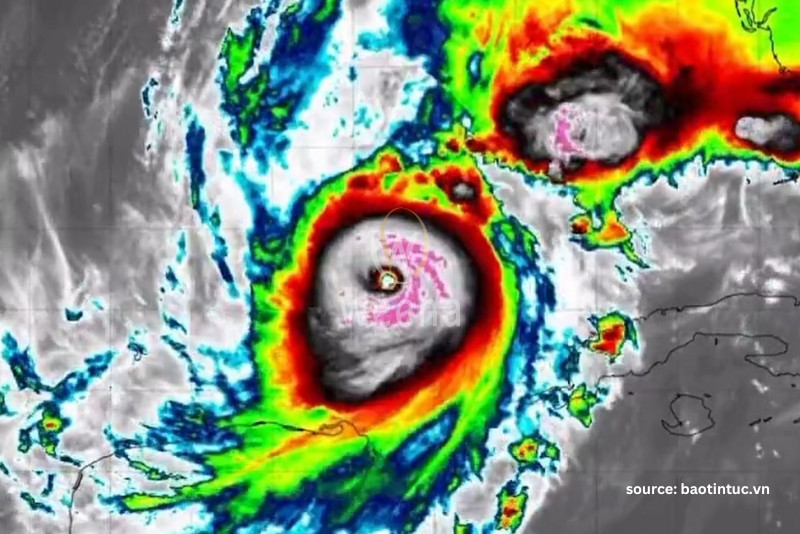

Hurricane Milton, a devastating tropical cyclone, became a major event in the Atlantic hurricane season, bringing destruction to parts of the southeastern United States, particularly Florida. This essay delves into the characteristics, impact, and aftermath of Hurricane Milton, alongside the preparedness and response strategies that shaped the event.
Formation and Path of Milton Hurricane
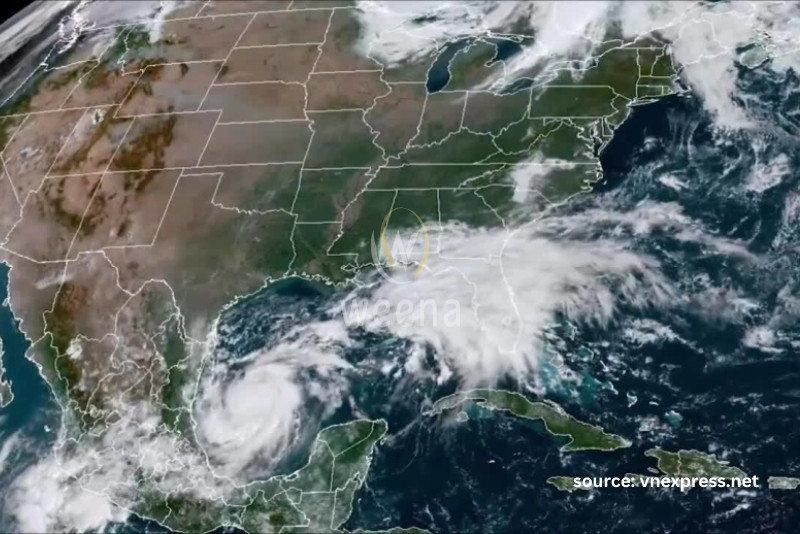
Hurricane Milton formed as a tropical disturbance in the warm waters of the Atlantic Ocean. Its development was aided by favorable atmospheric conditions, including low wind shear and warm sea surface temperatures, both of which contributed to its rapid intensification. As the system moved westward, it quickly evolved from a tropical depression into a formidable hurricane, reaching Category 4 on the Saffir-Simpson Hurricane Wind Scale. This intensity, with winds exceeding 130 miles per hour, made Milton one of the most powerful hurricanes in recent memory.
Milton’s path was highly unpredictable, which added to the challenges faced by meteorologists and emergency management officials. Initially projected to follow a more westerly course, the storm shifted northward, aiming directly at Florida’s Gulf Coast. This shift forced last-minute evacuation orders and disrupted plans for residents and businesses in the storm’s projected path.
Landfall and Immediate Impact
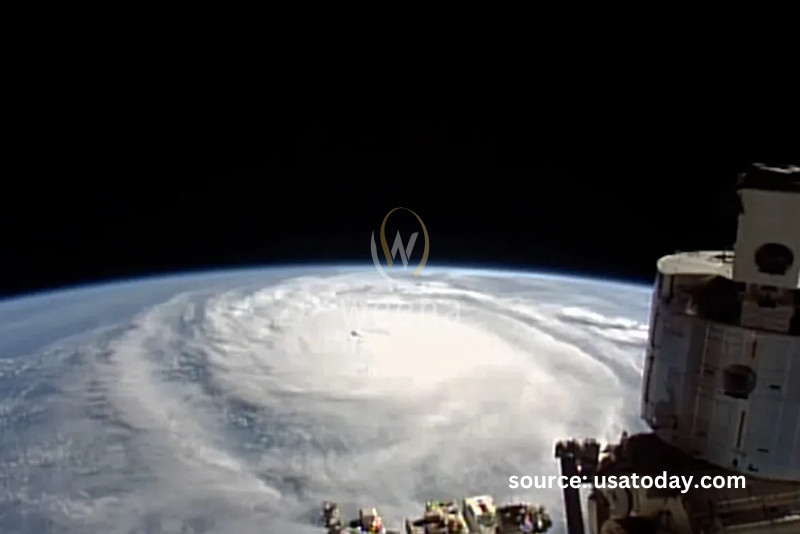
On making landfall, Hurricane Milton brought catastrophic winds and storm surges to Florida. Coastal areas bore the brunt of the damage, with communities such as Fort Myers, Naples, and Tampa experiencing the worst effects. Storm surges, in particular, reached up to 12 feet in some areas, inundating homes, businesses, and critical infrastructure. In addition to the surge, torrential rainfall caused widespread flooding, even in inland areas.
Milton’s winds caused extensive structural damage. Roofs were torn off buildings, power lines were downed, and trees were uprooted, making roads impassable. Airports, schools, and government buildings were forced to close, disrupting daily life and leaving many people stranded. One of the most pressing concerns was the destruction of power grids, which left millions without electricity for days, if not weeks.
Human and Economic Toll
The human toll of Hurricane Milton was significant. While loss of life was minimized thanks to early warnings and evacuations, many residents were displaced. Emergency shelters in Florida were filled to capacity as residents sought safety from the storm. In the aftermath, rescue operations became a priority, with first responders working around the clock to help those trapped by flooding or in collapsed structures.
Economically, the damage from Milton is expected to total in the billions of dollars. The destruction of homes, commercial properties, and infrastructure created an immediate financial burden for both individuals and the government. Insurance claims skyrocketed, and businesses faced prolonged closures due to property damage and power outages. In agriculture, Florida’s vital citrus and vegetable crops were devastated, impacting both local and national markets.
Response and Relief Efforts
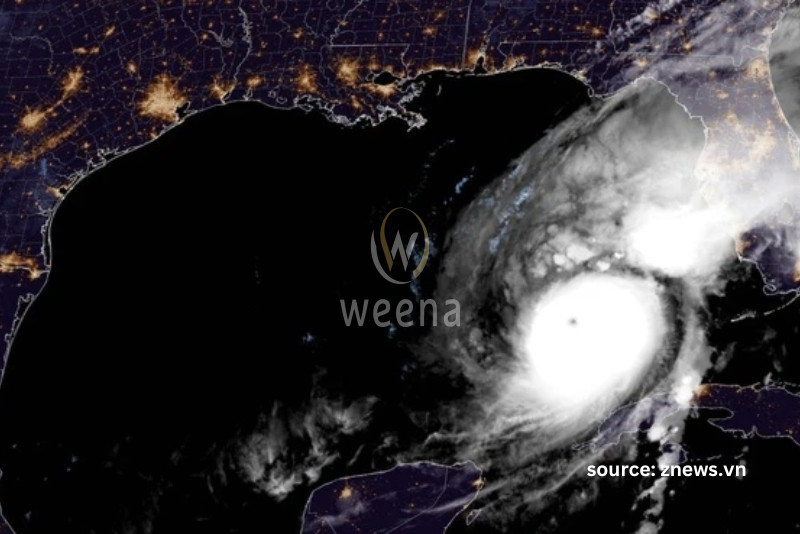
As soon as the storm passed, relief efforts were initiated by a combination of local, state, and federal agencies. The Federal Emergency Management Agency (FEMA) was heavily involved, coordinating disaster relief operations in conjunction with the Florida Division of Emergency Management. National Guard units were deployed to provide security, assist in rescue missions, and distribute supplies such as food, water, and medical aid.
One of the most crucial aspects of the response was restoring power. Utility companies from across the country sent teams to assist with the massive undertaking of repairing Florida’s damaged power infrastructure. In many communities, the restoration of electricity took weeks, prolonging the recovery process for residents and businesses.
Local governments also implemented relief programs to assist those hardest hit. Temporary housing, financial assistance, and counseling services were provided to help residents cope with the immediate aftermath of the storm. Meanwhile, volunteers from non-governmental organizations such as the Red Cross and other charity groups played a vital role in providing immediate aid, including shelter, food, and mental health services.
Long-term Consequences and Future Preparedness
The aftermath of Hurricane Milton sparked discussions on future preparedness for such large-scale natural disasters. Climate scientists noted that the intensity and frequency of storms like Milton are likely linked to global climate change, particularly the warming of ocean waters. As a result, many experts are calling for enhanced coastal infrastructure to mitigate the effects of future storms.
Additionally, the recovery from Milton prompted policymakers to review and improve existing disaster response protocols. This included reevaluating evacuation routes, improving early-warning systems, and reinforcing building codes to ensure structures are better able to withstand high winds and flooding.
Residents in Florida and other hurricane-prone regions are also becoming more proactive in their preparation efforts. Emergency preparedness kits, flood insurance policies, and evacuation plans are becoming more commonplace as communities strive to reduce their vulnerability to future storms.
Conclusion
Hurricane Milton was a stark reminder of the destructive power of nature and the importance of preparedness in the face of natural disasters. The storm caused widespread devastation, but also highlighted the resilience of communities and the effectiveness of coordinated relief efforts. Moving forward, the lessons learned from Milton will shape disaster preparedness and response strategies, not only in Florida but across hurricane-prone regions of the world.
For further questions, please contact us through:
Address: No.1N7, 202 Alley, Vo Chi Cong Street, Xuan La Ward, Tay Ho District, Ha Noi City
Email: info@weena.vn
Phone: +84 70 550 4244




No Comments