


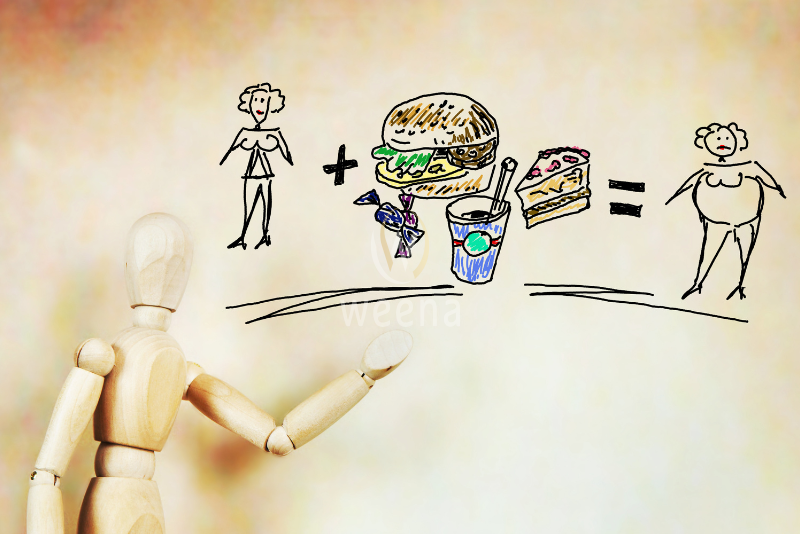

The growing prevalence of obesity is one of the most pressing health concerns worldwide, and its roots lie significantly in the food we consume. Obesity results from a complex interaction of genetic, behavioral, environmental, and societal factors, but a prominent driver is the modern food landscape, where calorie-dense, highly processed, and sugary foods are increasingly accessible. By examining how food choices contribute to obesity and how this condition affects health, we gain insights into the intricate links between diet, lifestyle, and long-term wellness.
1. The Role of Ultra-Processed Foods in Obesity

One of the most significant factors linking food and obesity is the rise in ultra-processed foods. These foods, which include items like sugary drinks, fast food, packaged snacks, and ready-to-eat meals, are calorie-dense but nutrient-poor. They are often engineered to maximize taste appeal and convenience, making them easy to overconsume. High in sugar, fat, and salt, they trigger the brain’s pleasure centers, encouraging people to eat even when they are not hungry, a phenomenon known as “hedonic hunger.”
Additionally, processed foods often lack fiber and protein, two nutrients that help regulate appetite by slowing digestion and providing a feeling of fullness. This lack of satiety can lead to overeating, as people are more likely to consume these foods in larger quantities without feeling full. Studies show that diets high in processed foods are closely associated with weight gain and obesity. In societies where fast food chains and prepackaged meals are common, the rates of obesity are higher than in regions with diets based on whole, minimally processed foods.
2. Sugar and High-Calorie Beverages

Another major contributor to obesity is the consumption of sugar-sweetened beverages and sugary foods. Sugary drinks, such as sodas, energy drinks, and sweetened teas, are a major source of empty calories with little nutritional benefit. These drinks contain large amounts of added sugars, which the body absorbs quickly, leading to a spike in blood sugar levels and, eventually, fat storage. Liquid calories are also processed differently by the body compared to solid foods; they do not trigger the same feeling of fullness, leading people to consume additional calories without realizing it. Over time, this caloric surplus can contribute to weight gain and obesity.
Beyond drinks, high-sugar snacks and desserts are widely available and affordable. The prevalence of added sugars in the modern diet goes beyond traditional sweets; they are also present in savory items such as sauces, bread, and salad dressings. Constantly consuming these hidden sugars increases the risk of insulin resistance, a condition that can lead to Type 2 diabetes, and accelerates weight gain, particularly around the abdomen, which is associated with increased health risks.
3. Portion Sizes and Accessibility of Food

In many places, portion sizes have significantly increased over the past few decades. Restaurant meals, fast food servings, and even packaged snacks are often portioned much larger than the recommended serving size, contributing to an excess intake of calories. This “portion distortion” affects people’s perception of normal serving sizes, encouraging overeating even at home.
Food is now more accessible than ever, with fast-food restaurants, convenience stores, and delivery services providing almost any kind of food at all hours. This constant accessibility makes it easier to indulge in high-calorie foods outside regular meal times, often driven by convenience rather than genuine hunger. The availability of inexpensive, calorie-dense foods has also made it more challenging for people to choose healthier options, as these tend to be costlier and less convenient.
4. Health Impacts of Obesity

Obesity significantly increases the risk of developing numerous chronic health conditions. Cardiovascular diseases, including heart disease and stroke, are among the most common issues associated with obesity. Excess body fat, particularly around the abdomen, can lead to higher blood pressure, increased cholesterol levels, and inflammation, all of which are risk factors for heart disease. Obesity is also a leading cause of Type 2 diabetes, a condition in which the body becomes resistant to insulin. This resistance impairs the body’s ability to regulate blood sugar levels, leading to serious complications if left unmanaged, such as kidney disease, nerve damage, and eye problems.
Beyond diabetes and cardiovascular disease, obesity is linked to certain cancers, such as breast, colon, and liver cancer. The presence of excess body fat can promote the production of hormones and inflammatory markers that encourage the development and progression of cancer. Additionally, obesity places added stress on joints, leading to conditions such as osteoarthritis, which can diminish mobility and reduce quality of life.
5. Societal and Psychological Implications
Obesity also has significant psychological and social implications. Many individuals with obesity face stigma and discrimination, which can lead to low self-esteem, depression, and anxiety. The societal pressure to conform to certain body ideals can create a negative feedback loop, where stress and emotional distress lead to emotional eating and further weight gain. The combination of physical health risks and mental health challenges makes obesity a multifaceted issue that requires comprehensive solutions.
Conclusion: Addressing Obesity through Diet and Lifestyle Changes
Combatting obesity requires a societal shift towards healthier food environments, public awareness, and individual lifestyle changes. Emphasizing whole, nutrient-dense foods, regulating portion sizes, and reducing the intake of processed and sugary foods are essential steps in mitigating obesity. Policies that make healthy foods more accessible and affordable, as well as public health campaigns promoting balanced diets and physical activity, can also play pivotal roles in reversing obesity trends. As individuals and communities work together to improve dietary choices and reduce the intake of calorie-dense, nutrient-poor foods, there is hope for a healthier future with lower rates of obesity and improved well-being.
For further questions, please contact us through:
Weena Trading Asia Investment Company,
Address: No.1N7, 202 Alley, Vo Chi Cong Street, Xuan La Ward, Tay Ho District, Ha Noi City
Email: info@weena.vn
Phone: +84 70 550 4244




No Comments