


Vietnam boasts a unique and vibrant coffee culture, deeply ingrained in the country’s history and daily life. As the world’s second-largest coffee producer, coffee is not just an economic commodity in Vietnam but a social and cultural staple. The country’s coffee culture combines both traditional brewing methods and modern innovations, creating a distinctive and flavorful coffee experience that is enjoyed by locals and increasingly recognized globally.
Historical Roots of Vietnamese Coffee Culture
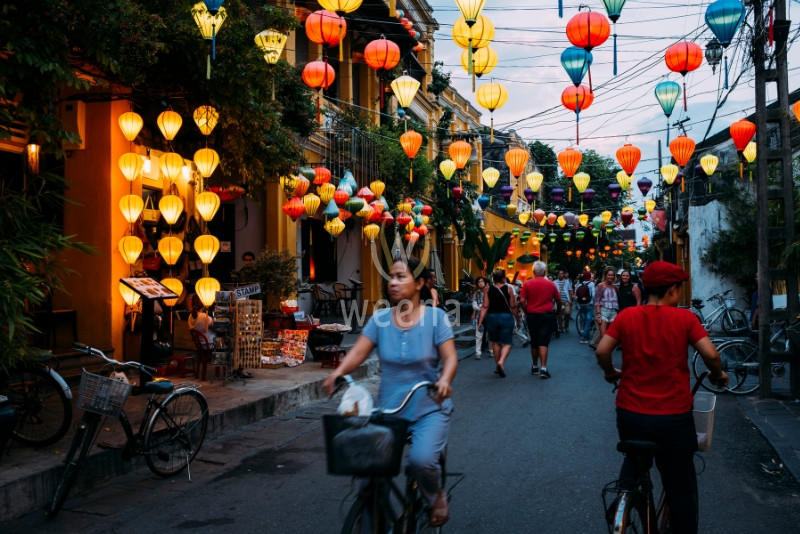
Coffee was introduced to Vietnam by French colonialists in the 19th century, and since then, it has become an integral part of Vietnamese daily life. However, rather than adopting the French way of consuming coffee, Vietnam developed its own unique styles and techniques. This includes the use of robusta beans, which are grown primarily in the highland regions of Vietnam, such as Buôn Ma Thuột in the Central Highlands. Robusta beans are more bitter and have higher caffeine content than the Arabica beans commonly used in Western countries, lending Vietnamese coffee a strong and bold flavor.
Vietnam’s coffee economy grew significantly throughout the 20th century, and by the 1990s, it had become one of the world’s leading coffee producers. Today, coffee cultivation and consumption remain central to the country’s agricultural and cultural identity.
Traditional Vietnamese Coffee Preparation

One of the most iconic symbols of Vietnamese coffee culture is the phin filter, a small, slow-drip metal filter used to brew coffee. The phin sits atop a cup, and hot water is poured over the coffee grounds inside the filter. This slow brewing method allows the coffee to develop a strong, concentrated flavor. The result is typically served with a generous amount of sweetened condensed milk, creating cà phê sữa đá, Vietnam’s signature iced coffee.
Cà phê sữa đá is deeply rooted in Vietnamese coffee culture, combining the bitterness of robusta beans with the sweetness of condensed milk, offering a creamy, bold, and refreshing drink that is perfect for the country’s warm climate. For those who prefer a simpler preparation, cà phê đen đá — strong black iced coffee without the milk — remains a popular choice among locals.
Unique Variations: Egg Coffee and Beyond
Vietnamese coffee culture is not limited to just one or two styles. One of the country’s most intriguing innovations is cà phê trứng, or egg coffee, which originated in Hanoi. Egg coffee is made by whipping egg yolks with sugar and condensed milk to create a thick, creamy foam that is then poured over the coffee. The result is a rich, custard-like beverage that is often compared to tiramisu in liquid form. Originally developed as a substitute for milk, which was scarce in post-war Vietnam, egg coffee has since become a beloved specialty.
In recent years, coffee shops have continued to experiment with creative variations of Vietnamese coffee. Coconut coffee, made with coffee and coconut milk, is popular in southern cities like Ho Chi Minh City, providing a tropical twist to the traditional brew. Other modern innovations include the addition of yogurt or fruit to create even more diverse and exciting coffee experiences.
Coffee as a Social Experience
In Vietnam, coffee is not just a beverage; it’s a social experience. The country is filled with thousands of coffee shops, from humble street-side vendors to chic, modern cafes. Coffee shops serve as communal spaces where friends, families, and colleagues gather to chat, work, or relax. The slow drip of a phin filter, along with the careful preparation and enjoyment of coffee, fosters a sense of community and relaxation in the bustling cities of Vietnam.
Coffee consumption in Vietnam reflects the pace of daily life, with people savoring their drinks in unhurried fashion, often while sitting on small stools at street-side cafes. These outdoor cafes are particularly common in cities like Hanoi and Ho Chi Minh City, where local residents enjoy their morning or afternoon coffee while watching the world go by.
The Rise of Specialty Coffee and Global Recognition
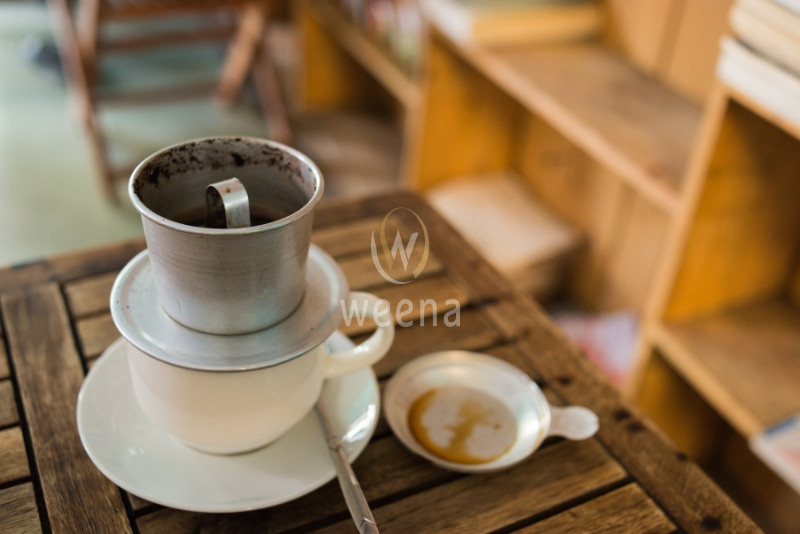
In recent years, the rise of specialty coffee shops and third-wave coffee movements has gained momentum in Vietnam, particularly among younger generations. Specialty coffee focuses on high-quality beans, artisanal brewing methods, and attention to the origin of the coffee. Vietnamese coffee shops are increasingly experimenting with new roasting techniques, single-origin beans, and manual brewing methods like pour-over or French press.
This modern shift towards specialty coffee has helped elevate Vietnam’s coffee culture on the global stage. International tourists visiting Vietnam often become enamored with the country’s unique coffee offerings, and Vietnamese coffee brands have started to expand their presence internationally. Exports of ground coffee, instant coffee, and even pre-made Vietnamese-style coffee drinks have increased, allowing people from all over the world to experience the flavors of Vietnam’s coffee culture.
Conclusion
Vietnam’s coffee culture is a reflection of the country’s history, innovation, and community spirit. From the strong, sweetened condensed milk coffee served on bustling street corners to the refined specialty brews emerging in urban cafes, coffee is an integral part of life in Vietnam. As Vietnam continues to grow as a major player in the global coffee industry, its unique approach to coffee preparation, flavor, and culture is garnering increased recognition and appreciation worldwide.
For further questions, please contact us through:
Address: No.1N7, 202 Alley, Vo Chi Cong Street, Xuan La Ward, Tay Ho District, Ha Noi City
Email: info@weena.vn
Phone: +84 70 550 4244




No Comments