




Cinnamon is a spice that has been cherished for thousands of years for its flavor, aroma, and medicinal properties. It is derived from the inner bark of trees belonging to the genus Cinnamomum. Known for its sweet and warm taste, cinnamon is a staple in many cuisines and cultures around the world. Here, we will explore the history of cinnamon, its varieties, cultivation, health benefits, culinary uses, and cultural significance.
History of Cinnamon
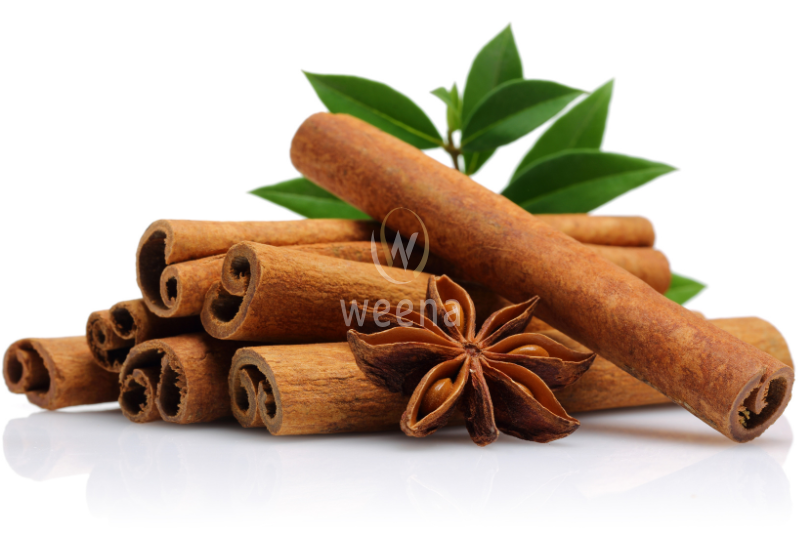
The history of cinnamon can be traced back to ancient Egypt, where it was highly prized and used for embalming and as an ingredient in perfumes. It was so valuable that it was considered a gift fit for kings and gods. The ancient Romans and Greeks also valued cinnamon for its culinary and medicinal uses. In medieval Europe, cinnamon was a status symbol and was often used to flaunt wealth.
Cinnamon was a major commodity in the spice trade, and its origins were kept secret by Arab traders who supplied it to the Western world. They spun elaborate tales about the dangers involved in harvesting cinnamon to protect their monopoly on the trade. It wasn’t until the 16th century that Portuguese explorers discovered the true source of cinnamon in Ceylon (modern-day Sri Lanka).
Varieties of Cinnamon
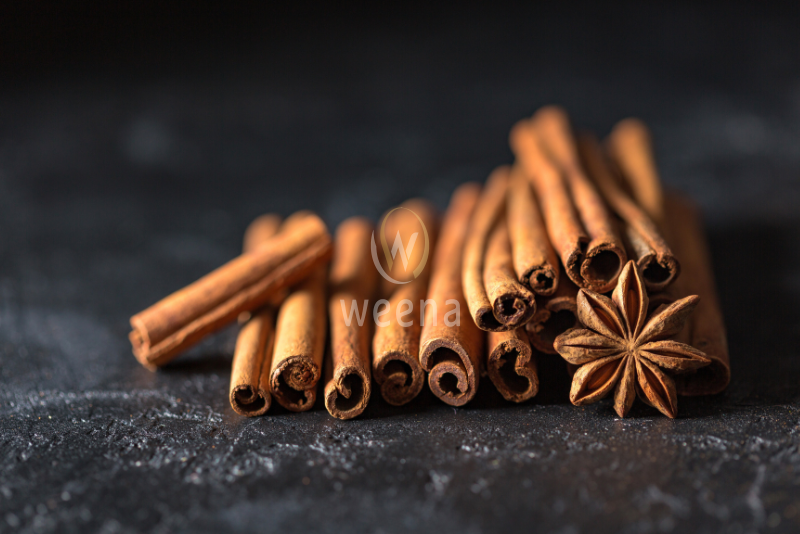
There are several varieties of cinnamon, but the two most commonly used types are Ceylon cinnamon (Cinnamomum verum) and Cassia cinnamon (Cinnamomum cassia).
Ceylon Cinnamon: Also known as “true cinnamon,” Ceylon cinnamon is native to Sri Lanka and southern India. It has a delicate, sweet flavor and a lighter color compared to Cassia cinnamon. Ceylon cinnamon is considered the superior variety and is often preferred for its milder taste and lower coumarin content.
Cassia Cinnamon: Cassia cinnamon, also known as Chinese cinnamon, is the most commonly available type of cinnamon in the world. It has a stronger, more pungent flavor and a darker color compared to Ceylon cinnamon. Cassia cinnamon is often used in baking and cooking due to its bold taste.
Other less common varieties of cinnamon include Saigon cinnamon (Cinnamomum loureiroi) and Indonesian cinnamon (Cinnamomum burmannii).
Cultivation and Harvesting

Cinnamon is cultivated in tropical regions with a warm and humid climate. The trees are typically grown from cuttings and require well-drained, sandy soil to thrive. Once the trees reach a height of about six feet, they are ready for harvesting.
The harvesting process involves cutting the stems of the cinnamon tree and peeling away the outer bark. The inner bark is then carefully removed and left to dry. As it dries, the bark curls into the familiar cinnamon sticks, also known as quills. The quills are then cut into smaller pieces and can be ground into powder for culinary use.
Health Benefits of Cinnamon
Cinnamon is not only valued for its flavor but also for its numerous health benefits. Some of the potential health benefits of cinnamon include:
1. Antioxidant Properties: Cinnamon is rich in antioxidants, which help protect the body from oxidative stress and reduce inflammation.
2. Blood Sugar Regulation: Some studies suggest that cinnamon may help lower blood sugar levels and improve insulin sensitivity, making it beneficial for individuals with type 2 diabetes.
3. Heart Health: Cinnamon has been shown to reduce levels of total cholesterol, LDL cholesterol, and triglycerides, which may contribute to improved heart health.
4. Anti-Inflammatory Effects: The compounds found in cinnamon have anti-inflammatory properties, which can help reduce inflammation in the body.
5. Antimicrobial Properties: Cinnamon has antimicrobial properties that can help fight bacterial and fungal infections.
6. Neuroprotective Effects: Some research suggests that cinnamon may have neuroprotective effects and could potentially help prevent neurodegenerative diseases such as Alzheimer’s and Parkinson’s.
Culinary Uses of Cinnamon
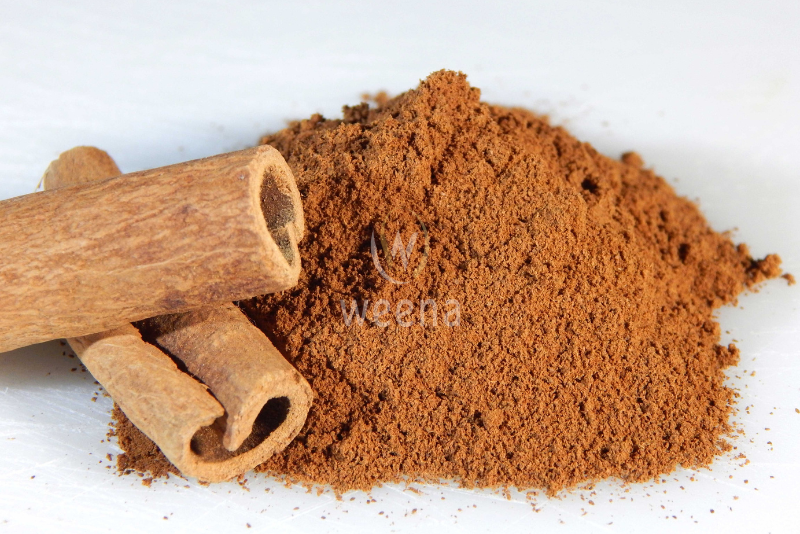
Cinnamon is a versatile spice that is used in both sweet and savory dishes. Its warm and sweet flavor enhances a wide range of culinary creations, including:
1. Baked Goods: Cinnamon is a key ingredient in many baked goods, such as cinnamon rolls, cookies, muffins, and cakes. It adds a delightful aroma and flavor to these treats.
2. Beverages: Cinnamon is often added to beverages like chai tea, hot chocolate, coffee, and mulled wine. It imparts a comforting and warming quality to these drinks.
3. Savory Dishes: In many cuisines, cinnamon is used to enhance the flavor of savory dishes. It is commonly used in Middle Eastern, Indian, and North African dishes, such as curries, stews, and rice pilafs.
4. Spice Blends: Cinnamon is a key component of many spice blends, including pumpkin spice, garam masala, and Chinese five-spice powder.
5. Breakfast Foods: Sprinkling cinnamon on oatmeal, yogurt, pancakes, or toast is a simple way to add flavor and nutrition to breakfast.
Cultural Significance of Cinnamon
Cinnamon holds cultural significance in many societies and has been used in religious ceremonies, traditional medicine, and folklore. In ancient Egypt, cinnamon was used in the mummification process and as an offering to the gods. In traditional Chinese medicine, cinnamon is believed to have warming properties and is used to treat various ailments.
In modern times, cinnamon is often associated with the holiday season and is used in festive recipes and decorations. Its warm and inviting aroma evokes feelings of comfort and nostalgia, making it a beloved spice in many households.
Conclusion
Cinnamon is a remarkable spice with a rich history, diverse culinary applications, and numerous health benefits. Whether used to add flavor to a dish, as a natural remedy, or simply enjoyed for its aromatic qualities, cinnamon continues to be cherished around the world. From its ancient origins to its modern-day significance, cinnamon remains a timeless and treasured spice that enriches our lives in many ways.
For further questions, please contact us through:
Weena Trading Asia Investment Company,
Address: No. 15, Lane 1, An Duong Vuong Street, Phu Thuong Ward, Tay Ho, Hanoi
Email: info@weena.vn
Phone: +84 70 550 4244




No Comments