


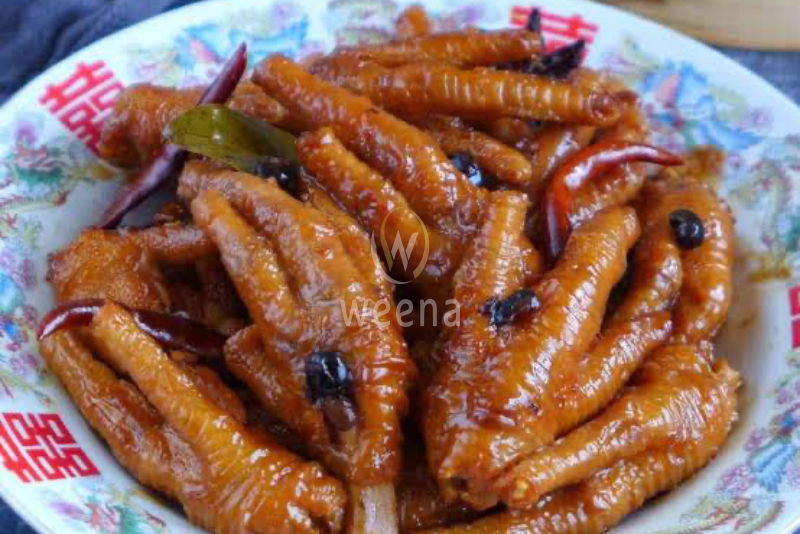

More Than a By-Product: A Culinary Food Culture
When people think about chicken, they often picture breasts, thighs, wings, or drumsticks. However, in many parts of the world, chicken paws are considered a prized delicacy rather than a secondary product. Rich in collagen, naturally flavorful, and incredibly versatile, chicken paws have earned an important place in traditional cuisines across Asia, Africa, Latin America, and even parts of Europe.
As global food trade continues to expand, frozen chicken paws have become one of the most sought-after poultry products in international markets. Modern freezing technology allows consumers and food businesses to enjoy premium-quality chicken paws throughout the year without compromising freshness, texture, or nutritional value.
For importers, wholesalers, restaurants, and food manufacturers, frozen chicken paws represent an excellent opportunity to meet growing consumer demand while maintaining consistent supply and quality.
The Cultural Significance of Chicken Paws
Food is more than nutrition—it tells the story of culture, tradition, and identity. Across different countries, ingredients that may seem unusual elsewhere often become beloved staples thanks to generations of culinary innovation.
Chicken paws are one such example.
Rather than being overlooked, they are celebrated for their unique texture, ability to absorb rich flavors, and impressive nutritional profile.
Today, dishes made from chicken paws can be found in family kitchens, street food stalls, luxury restaurants, and food festivals around the world.
China: The World’s Largest Consumer
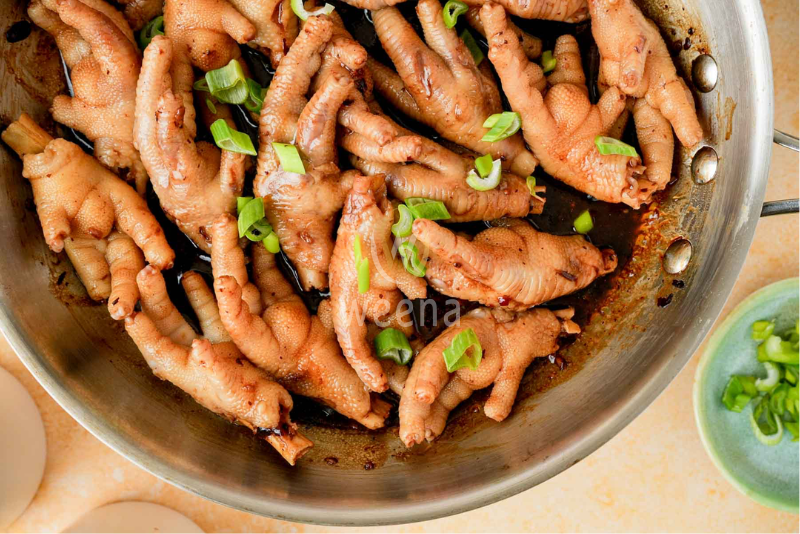
China is undoubtedly the world’s largest market for chicken paws.
Known locally as Phoenix Claws, chicken paws are featured in countless regional dishes. Their popularity spans from home cooking to high-end Cantonese restaurants.
One of the most famous preparations is Dim Sum Chicken Feet, where the paws are first deep-fried, then steamed for several hours before being coated in a savoury black bean sauce. The lengthy cooking process creates an incredibly soft texture while allowing the sauce to penetrate every layer of skin.
Another popular snack is spicy braised chicken paws, sold in supermarkets, convenience stores, and street markets. These ready-to-eat products have become especially popular among younger consumers.
The demand is so significant that China imports large quantities of frozen chicken paws every year to satisfy domestic consumption.
Vietnam: A Favorite for Every Occasion
Vietnam has embraced chicken paws as both a traditional and modern food.
One of the country’s most iconic dishes is pickled chicken paws with lemongrass and chili, combining crunchy texture with refreshing citrus flavours and moderate heat. The dish is commonly served during family gatherings, celebrations, and casual meals.
Grilled chicken paws are another popular street food, marinated with honey, garlic, chili, and fish sauce before being cooked over charcoal until slightly crispy.
Restaurants also prepare chicken paws in hot pot, herbal soup, braised dishes, and spicy stir-fries, demonstrating the ingredient’s versatility.
Frozen chicken paws help Vietnamese distributors and restaurants maintain a reliable supply throughout the year regardless of seasonal production.
Thailand: Bold Flavours and Rich Aromas
Thai cuisine is known for balancing sweet, sour, salty, and spicy flavours.
Chicken paws fit perfectly into this culinary philosophy.
They are frequently used in spicy soups, green curry, and herbal broths. The collagen released during slow cooking naturally thickens the soup while creating a rich mouthfeel.
Street vendors also serve grilled chicken paws seasoned with Thai herbs and spices, attracting both local customers and tourists looking for authentic food experiences.
Korea: A Popular Nightlife Dish
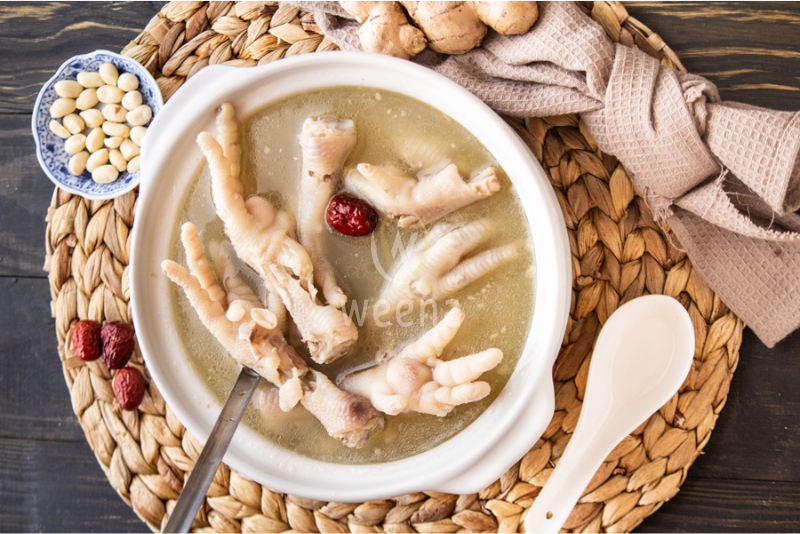
In South Korea, chicken paws—commonly called Dakbal—have become one of the country’s favourite late-night dishes.
Dakbal is typically marinated in a fiery mixture of Korean chili paste, garlic, soy sauce, and spices before being grilled over charcoal.
Its chewy texture and spicy flavour make it a popular accompaniment to social gatherings.
Modern Korean restaurants have transformed Dakbal into an iconic menu item, introducing various levels of spiciness to suit different customer preferences.
As Korean cuisine continues gaining international recognition, demand for quality frozen chicken paws has also expanded globally.
Japan: Simplicity Meets Elegance
Japanese cuisine values freshness, presentation, and natural flavour.
Chicken paws are commonly simmered in soy sauce, sake, ginger, and sugar to create delicate dishes that emphasize texture rather than overpowering seasoning.
Some restaurants prepare collagen-rich soups using chicken paws as a key ingredient, while others include them in traditional hot pots during winter.
Although consumption is smaller than in China or Korea, Japan continues to appreciate premium-quality poultry products with strict quality standards.
Africa: Affordable Nutrition
Across several African countries, chicken paws are appreciated for being both nutritious and economical.
Families often prepare them in tomato stews, vegetable soups, or spicy curries.
Because chicken paws contain abundant collagen and connective tissue, they provide rich flavour without requiring expensive ingredients.
Frozen imports have helped improve product availability while reducing waste throughout the poultry supply chain.
Latin America: Comfort Food with Local Character
Countries such as Mexico, Brazil, and several Caribbean nations incorporate chicken paws into comforting soups and stews.
Chicken paw soup is often associated with home cooking, family gatherings, and traditional recipes passed down through generations.
The natural gelatin released during cooking creates a silky broth that pairs perfectly with vegetables, beans, rice, or corn.
Frozen chicken paws provide consistent quality for restaurants and food manufacturers serving these traditional dishes.
The Nutritional Value of Chicken Paws
Beyond their culinary appeal, chicken paws offer several nutritional advantages.
They are naturally rich in:
- Collagen
- Gelatin
- Protein
- Calcium
- Phosphorus
- Magnesium
- Essential amino acids
Collagen has become particularly attractive to health-conscious consumers interested in supporting skin elasticity, joint health, and connective tissues.
Although chicken paws should be enjoyed as part of a balanced diet, their nutritional composition has contributed significantly to their growing popularity worldwide.
Why Frozen Chicken Paws Are Preferred in International Trade
The success of frozen chicken paws depends largely on advances in cold chain technology.
Modern freezing methods preserve product quality immediately after processing, helping maintain freshness during long-distance transportation.
Benefits include:
Consistent Quality
Each shipment maintains uniform size, appearance, and texture.
Extended Shelf Life
Proper freezing allows products to remain in excellent condition for extended periods without significant quality loss.
Food Safety
Reliable freezing processes minimise bacterial growth while supporting international food safety standards.
Efficient Logistics
Frozen products can be transported globally, allowing importers to plan inventory with greater confidence.
Reduced Food Waste
Longer shelf life means fewer products are discarded due to spoilage, benefiting both businesses and the environment.
Growing Global Demand
International demand for frozen chicken paws continues to rise due to several factors:
- Expanding Asian populations worldwide
- Growing popularity of Asian cuisine
- Rising demand for collagen-rich foods
- Increased restaurant and food service consumption
- Improved international cold chain infrastructure
Importers increasingly seek dependable suppliers capable of delivering consistent quality, competitive pricing, and reliable logistics.
Choosing the Right Supplier
For wholesalers and distributors, selecting a trusted frozen poultry supplier is essential.
Important considerations include:
- Strict hygiene and food safety standards
- Reliable cold chain management
- Consistent product grading
- Stable production capacity
- Export experience
- Timely delivery
- Transparent documentation
- Compliance with destination country regulations
A dependable supplier not only ensures product quality but also helps businesses build long-term customer trust.
Looking Ahead
As culinary traditions continue to cross borders, frozen chicken paws are becoming an increasingly valuable product in the global food industry. What was once considered a niche ingredient is now recognised as a versatile delicacy enjoyed in countless regional cuisines—from Chinese dim sum and Korean Dakbal to Vietnamese pickled chicken paws and hearty African stews.
Advances in freezing technology and international logistics have made it possible to deliver premium-quality chicken paws to markets around the world while preserving freshness, safety, and flavour. For importers, wholesalers, retailers, and food service businesses, frozen chicken paws offer a compelling combination of cultural significance, nutritional value, and commercial potential.
As consumer interest in authentic international cuisine and collagen-rich foods continues to grow, frozen chicken paws are well positioned to remain a staple in global food culture for years to come. Businesses that prioritise quality, reliable sourcing, and efficient cold chain management will be best equipped to meet this expanding demand and build lasting partnerships in the international frozen poultry market.
For further questions, please contact us through:
Weena Trading Asia Investment Company,
Address: No. 15, Lane 1, An Duong Vuong Street, Phu Thuong Ward, Hanoi
Email: s.wooning@weenatrading.com / hoa.nguyen@weenatrading.com
Phone: 034 6627970
No Comments