


Beef honeycomb, commonly known as honeycomb tripe, is one of the most distinctive ingredients in global cuisine. Derived from the second stomach chamber of cattle, it features a characteristic honeycomb-like pattern that gives it both its name and visual appeal. Although some people may be unfamiliar with this ingredient, it has been treasured for centuries in numerous culinary traditions due to its versatility, texture, and ability to absorb rich flavors.
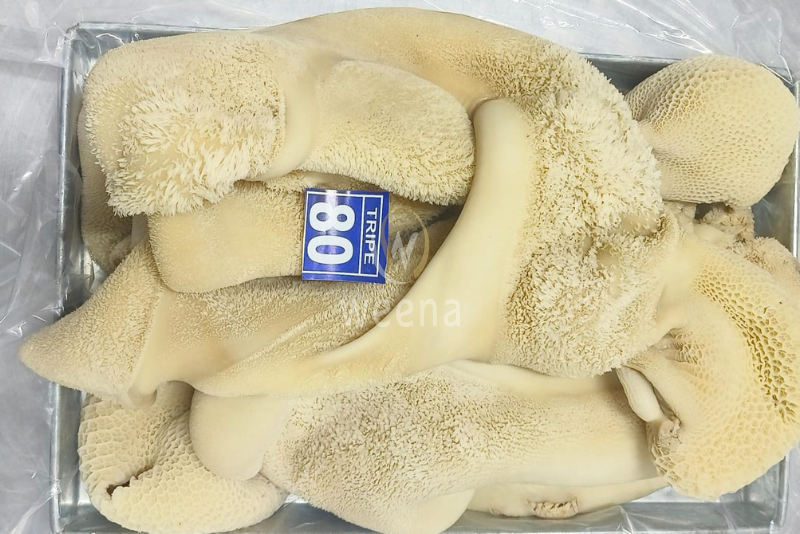
The most remarkable aspect of beef honeycomb is its texture. Unlike conventional cuts of beef, honeycomb tripe contains a unique network of soft ridges and pockets. When cooked correctly, it becomes tender while maintaining a pleasantly chewy consistency. This balance of softness and structure makes it highly desirable in soups, stews, curries, and braised dishes.
Beef honeycomb is widely used in cuisines around the world. In Asian cooking, it often appears in noodle soups, hot pots, and dim sum dishes. The tripe is simmered slowly in flavorful broths infused with spices, herbs, and seasonings. Because of its porous structure, it absorbs these flavors exceptionally well, resulting in a deeply satisfying bite.
In Latin American cuisine, honeycomb tripe is a key ingredient in traditional soups and stews. Dishes featuring tripe are often considered comfort foods, enjoyed during family gatherings and celebrations. The ingredient contributes both texture and richness to the overall meal.
European cuisines also have a long history of cooking tripe. Traditional recipes frequently involve slow braising with vegetables, herbs, and wine. These preparations highlight the ingredient’s ability to develop complex flavors during extended cooking periods.
Preparing beef honeycomb requires careful cleaning and cooking. Fresh tripe must be thoroughly washed before use. Many cooks blanch it in boiling water before incorporating it into recipes. This process helps remove impurities and prepares the tripe for seasoning and slow cooking.
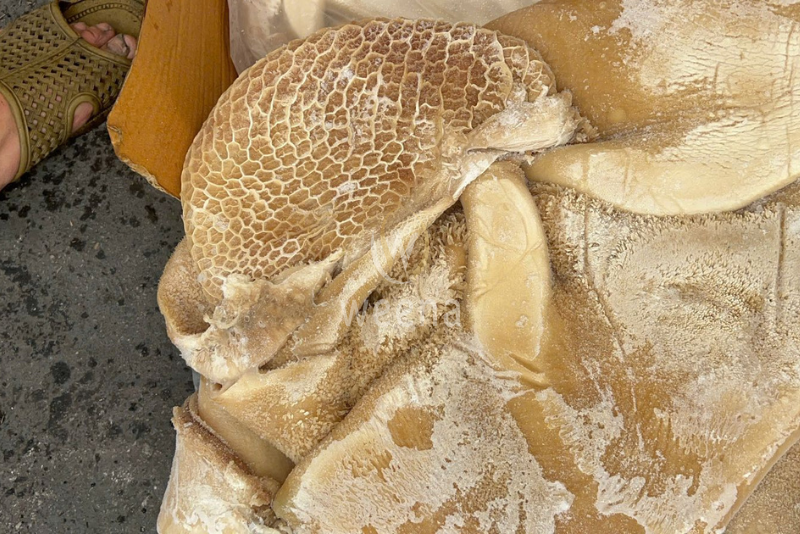
Cooking time is crucial. Honeycomb tripe can be tough if undercooked, but with patience, it transforms into a tender and flavorful ingredient. Depending on the recipe, cooking may take several hours. Pressure cookers can significantly reduce preparation time while still delivering excellent results.
One reason chefs appreciate beef honeycomb is its versatility. It can be sliced into strips for soups, diced for stews, or braised whole before being cut into serving portions. Its mild flavor allows it to complement a wide range of seasonings, from delicate herbs to bold spices.
Nutritionally, beef honeycomb provides protein and essential minerals while remaining relatively low in fat compared to some traditional beef cuts. It also contains important nutrients such as zinc, selenium, and vitamin B12. These nutrients support immune function, energy production, and overall health.
The growing popularity of traditional and regional cuisines has helped introduce honeycomb tripe to new audiences. Food enthusiasts are increasingly interested in authentic culinary experiences and ingredients that reflect cultural heritage. As a result, beef honeycomb has gained recognition beyond the communities where it has long been a staple.
Another factor contributing to its appeal is sustainability. Utilizing ingredients such as tripe helps reduce food waste and supports a more comprehensive use of livestock resources. This philosophy aligns with modern efforts to promote responsible consumption and environmentally conscious cooking practices.
For those trying beef honeycomb for the first time, it is helpful to begin with a well-prepared dish from an experienced cook or reputable restaurant. Proper preparation dramatically influences texture and flavor. When cooked skillfully, honeycomb tripe becomes tender, flavorful, and highly enjoyable.
Many chefs consider honeycomb tripe a canvas for creativity. It can be paired with aromatic spices, rich sauces, fresh herbs, or slow-simmered broths. Its ability to absorb flavor makes it adaptable to countless culinary styles and techniques.
The cultural significance of beef honeycomb should not be overlooked. Across many regions, recipes featuring tripe have been passed down through generations. These dishes often carry memories of family traditions, community gatherings, and local culinary identity. By preparing and sharing them, cooks help preserve valuable aspects of cultural heritage.
As consumers continue exploring diverse cuisines, beef honeycomb stands out as an ingredient worth discovering. Its distinctive appearance, unique texture, nutritional benefits, and culinary versatility make it a fascinating addition to any food lover’s repertoire. Whether enjoyed in a comforting soup, a richly flavored stew, or a traditional braised dish, beef honeycomb demonstrates the remarkable possibilities of ingredients that are often underestimated.
For further questions, please contact us through:
Weena Trading Asia Investment Company,
Address: No. 15, Lane 1, An Duong Vuong Street, Phu Thuong Ward, Hanoi
Email: info@weena.vn
Phone: 034 6627970
No Comments