


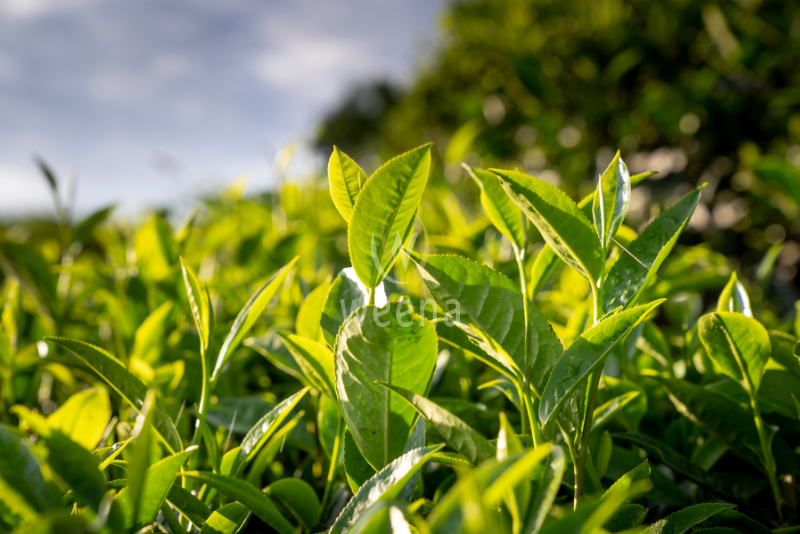

Green tea, known in Vietnamese as trà xanh, has been an essential part of Vietnam’s cultural, spiritual, and agricultural identity for centuries. It is more than a drink—it is a symbol of hospitality, tradition, and well-being. From the misty highlands of the north to the sprawling tea plantations in the central and southern regions, the story of green tea in Vietnam is rich in history, cultural significance, and economic importance. This essay traces the origins, development, cultural relevance, and modern transformation of green tea in Vietnam.
1. Origins and Historical Background
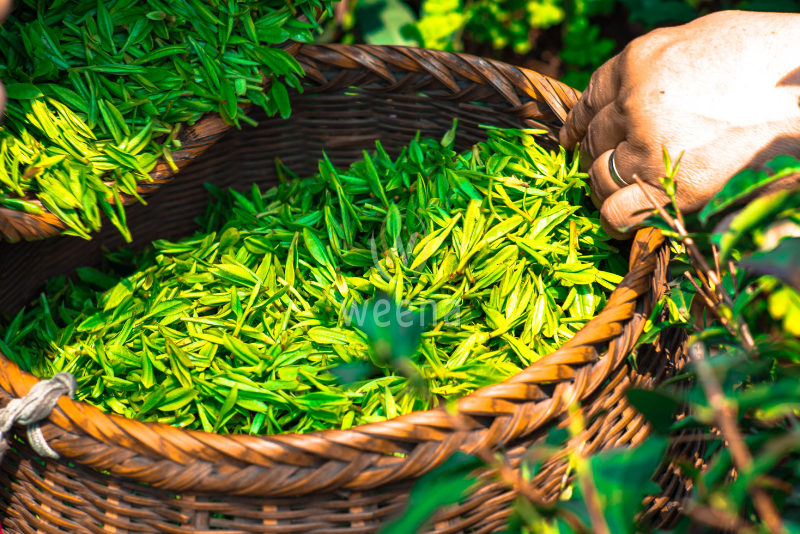
Tea drinking in Vietnam dates back more than 3,000 years, with archaeological evidence suggesting that wild tea trees (Camellia sinensis) were native to the mountainous regions of the north, particularly in provinces like Hà Giang, Thái Nguyên, and Lâm Đồng. Some of these wild trees, especially in the Hà Giang region, are hundreds of years old and still yield leaves considered among the finest in the world.
Legend has it that tea was first discovered in Vietnam by ethnic minority communities who used the leaves of wild tea trees for medicinal purposes. These early practices slowly evolved into rituals of tea drinking, which became more refined during feudal times. By the time of the Lý and Trần dynasties (11th to 14th centuries), green tea had become a beverage of choice among scholars, monks, and the royal court.
2. Regional Green Tea Varieties
Vietnam’s diverse topography and climate have given rise to a variety of green teas, each with its own unique flavor profile. Among the most famous regions are:
Thái Nguyên: Often referred to as the capital of Vietnamese green tea, this northern province produces teas with a bright green liquor, strong aroma, and bold taste. Thái Nguyên tea is often associated with hospitality and is commonly served to guests.
Tân Cương: A small area within Thái Nguyên, known for producing premium-quality green tea. The leaves are hand-picked and carefully processed to retain their freshness and natural sweetness.
Suối Giàng (Yên Bái Province): Home to ancient Shan tuyết tea trees that grow at altitudes of over 1,000 meters. The name Shan tuyết (meaning “snowy mountain tea”) comes from the silvery-white down on the leaves. These teas are prized for their strong, slightly bitter taste that turns sweet in the aftertaste.
Lâm Đồng (Central Highlands): Known for both green and oolong teas, Lâm Đồng’s climate is perfect for high-altitude tea cultivation, contributing to the smooth and delicate flavor of its green teas.
3. Cultural and Spiritual Significance
In Vietnamese culture, green tea is deeply embedded in daily life. It is served during family gatherings, business meetings, weddings, and even funerals. Offering tea is seen as a gesture of respect, sincerity, and harmony.
Buddhist monks have historically played a key role in the art of tea drinking in Vietnam. In temples, tea is used during meditation to promote clarity and mindfulness. The *trà đạo* (the “way of tea”) is not only about drinking but also about the preparation, serving, and sharing of tea, reflecting values such as patience, calm, and inner peace.
Among rural communities, drinking green tea is a social act. People gather around a pot of tea after a long day in the fields, discussing everything from weather and crops to politics and family affairs. In many homes, a thermos of green tea is kept ready for any guest that may arrive.
4. Traditional Processing Techniques
Vietnamese green tea is typically made through an artisanal process that preserves its fresh flavor and aroma. The basic steps include:
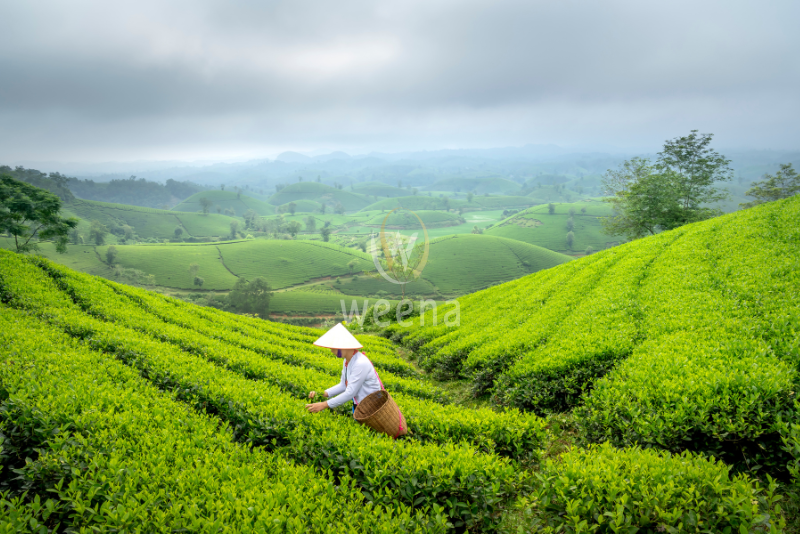
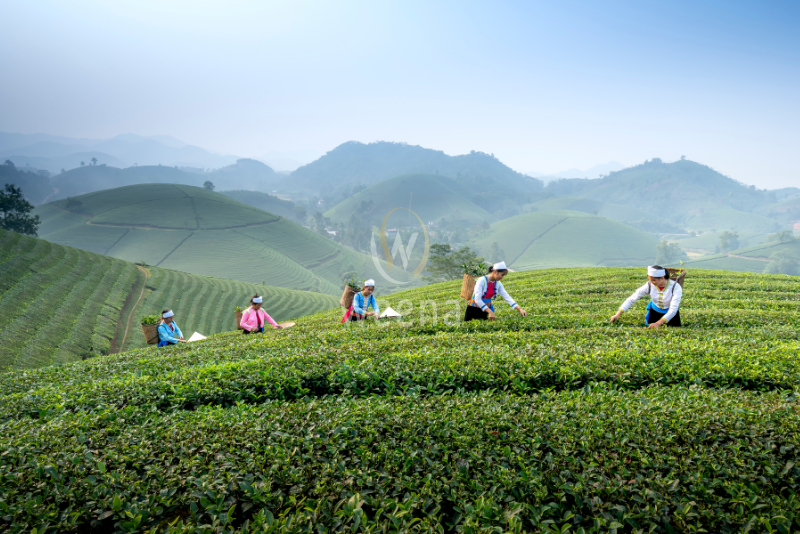
Plucking: Only the youngest buds and leaves are hand-picked, often early in the morning.
Withering: Leaves are left to wilt slightly to reduce moisture.
Pan-firing or Roasting: This step halts oxidation and gives Vietnamese green tea its characteristic toasty aroma.
Rolling: The leaves are hand-rolled or machine-rolled into tight shapes, enhancing flavor release when brewed.
Drying: Final drying ensures the tea can be stored without spoilage.
In villages like Tân Cương, many households still use wood-fired pans and handcraft their tea, maintaining techniques passed down through generations.
5. Economic Role and Global Reach
Vietnam is one of the world’s largest tea producers and exporters. While black tea and oolong are produced, green tea dominates both domestic consumption and exports. According to the Vietnam Tea Association, Vietnam exports green tea to over 60 countries, with major markets including China, Taiwan, Russia, Pakistan, and the Middle East.
Green tea farming supports the livelihoods of hundreds of thousands of rural Vietnamese. Cooperatives and companies have been formed to improve quality, branding, and access to international markets. The government and NGOs also support training in sustainable agriculture and organic certification, helping Vietnamese green tea gain recognition for quality and environmental responsibility.
However, the tea industry also faces challenges such as competition from countries like China and India, fluctuating global prices, and the need for improved marketing and branding. Despite these hurdles, premium Vietnamese green teas are starting to attract global tea connoisseurs, especially those interested in rare and organic varieties.
6. Green Tea in Modern Vietnam
In recent years, the consumption of green tea has taken on new forms. Bottled green tea beverages, flavored teas, and tea-based desserts have become popular among younger consumers. Urban tea shops and cafés offer modern twists on traditional brews, mixing green tea with fruit, milk, or tapioca pearls.
At the same time, there is a growing appreciation for traditional and artisanal green tea among both Vietnamese and international audiences. Tourists visiting Vietnam often seek out tea tastings in Hanoi, tea markets in Thái Nguyên, or eco-tourism trips to Suối Giàng to witness ancient tea trees and local harvesting methods.
The rise of online retail and specialty tea exporters has also allowed small-scale producers to reach customers abroad who value organic, single-origin teas. Green tea from ancient Shan tuyết trees, in particular, has found a niche among high-end buyers in Europe, the U.S., and Japan.
Conclusion
The story of green tea in Vietnam is a journey of tradition, resilience, and innovation. From ancient forest trees to bustling tea markets and export hubs, green tea reflects the spirit of the Vietnamese people—deeply rooted in the land, rich in heritage, and adaptive to change.
As Vietnam continues to modernize, green tea remains a thread that ties the past to the present. It is not only a source of economic growth and international recognition but also a vessel for cultural expression, community connection, and national pride. Whether sipped in a humble village or served in a cosmopolitan café, every cup of Vietnamese green tea tells a story—one steeped in history, harmony, and hope.
For further questions, please contact us through:
Weena Trading Asia Investment Company,
Address: No. 15, Lane 1, An Duong Vuong Street, Phu Thuong Ward, Tay Ho, Hanoi
Email: info@weena.vn
Phone: 092 591 3986
No Comments