


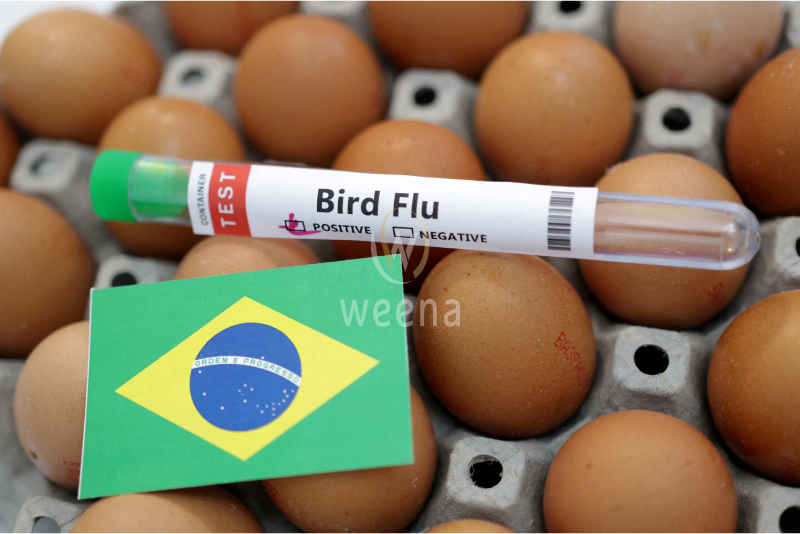

Introduction to Bird Flu in Brazil
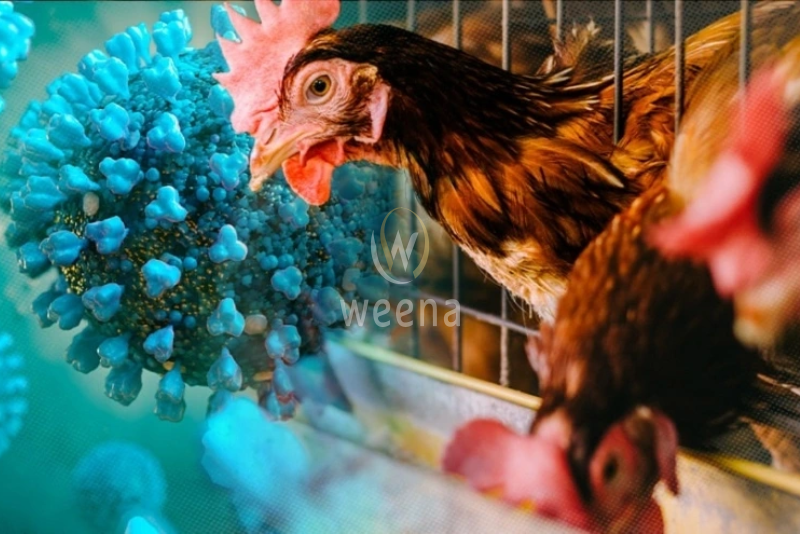
Brazil, the world’s largest poultry exporter, faced a severe outbreak of bird flu (avian influenza) in 2025 that shook global agricultural markets. Though Brazil had remained relatively untouched by avian influenza in the past, this year’s widespread outbreaks across multiple states signaled a major shift. The consequences have rippled beyond Brazil’s borders, affecting global poultry supplies, trade policies, and food security. This post analyzes the scope of the outbreak and its implications for international agriculture and trade.
Timeline of the Outbreak
The first confirmed cases of Highly Pathogenic Avian Influenza (HPAI) appeared in early January 2025 in Espírito Santo, followed by confirmed outbreaks in the states of Paraná, São Paulo, and Santa Catarina—the latter two being major poultry production hubs.
By March 2025:
- Over 5 million birds had been culled as a precaution.
- Exports to over 20 countries were suspended or restricted, including key markets like China, Japan, and the European Union.
- Internal poultry supply chains in Brazil were disrupted, leading to price increases of up to 25% domestically.
Causes and Contributing Factors
Several factors contributed to the unprecedented spread:
- Migratory bird paths intersecting with domestic farms
- Poor biosecurity at smaller and mid-sized poultry operations
- Delayed containment due to logistical challenges in rural states
- Climatic shifts enabling longer virus survival in certain environments
The outbreak has shown the vulnerabilities in Brazil’s otherwise robust poultry industry.
Global Impact on Poultry Supply Chains
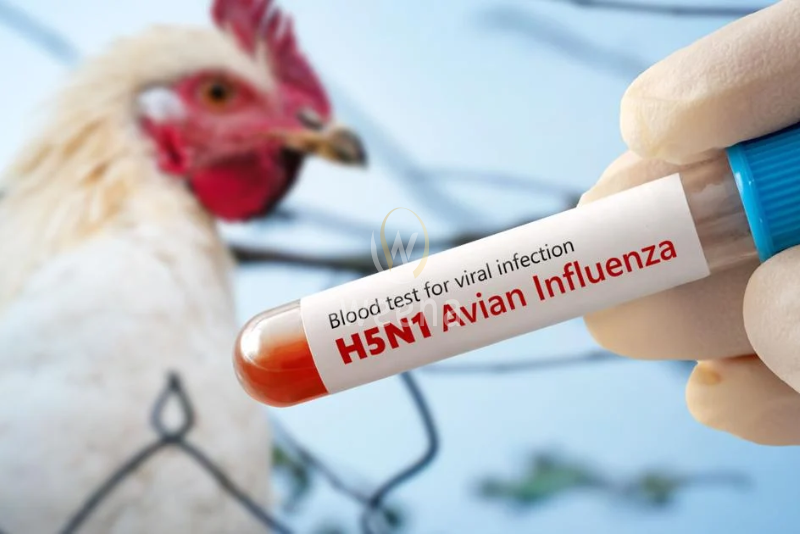
Brazil accounts for over 35% of global poultry exports, supplying markets across Asia, the Middle East, and Europe. The sudden disruption triggered several consequences:
- Short-term shortages in import-reliant countries like Saudi Arabia, UAE, and Singapore
- Increased global poultry prices, with a 15–20% spike in Q1 2025 according to FAO data
- Re-routing of orders to secondary suppliers such as Thailand, the U.S., and Ukraine
Some countries imposed total bans, while others opted for regional bans, focusing on affected states. This patchwork of responses created trade friction and confusion.
Economic Consequences for Brazil
The poultry industry is a cornerstone of Brazil’s agricultural economy, employing over 3.5 million people and contributing USD 10 billion annually in exports. The bird flu outbreak has caused:
- Losses exceeding USD 2.8 billion by mid-2025
- Layoffs and furloughs in processing plants and farms
- Declines in agribusiness investor confidence
Additionally, downstream sectors like soy and corn—used in poultry feed—are experiencing lower demand domestically, shifting market dynamics.
Health and Regulatory Response
Brazilian authorities, working with the World Organisation for Animal Health (WOAH), rolled out emergency containment measures:
- Zoning and surveillance in high-risk areas
- Mandatory reporting and culling policies
- Temporary closure of live bird markets
- Fast-tracked avian flu vaccine development, in collaboration with international pharma companies
Despite these efforts, challenges remain in enforcing policies in remote and under-resourced regions.
Global Trade Reactions
- China suspended imports from six Brazilian states
- Japan re-certified poultry imports only from disease-free zones
- EU urged labeling and testing of all Brazilian poultry imports
- Vietnam, a rising poultry consumer, halted all Brazilian chicken purchases, temporarily substituting with local and Thai imports
The incident has prompted international calls for stronger biosecurity regulations and multilateral disease response frameworks.
Comparative Analysis: Brazil vs. Other Outbreaks

Unlike prior outbreaks in Asia or Africa, Brazil’s bird flu outbreak affected one of the most export-dependent poultry economies. For context:
- The 2023 avian flu outbreak in the U.S. caused USD 1.2 billion in losses but had less trade impact due to higher domestic consumption.
- In contrast, 90% of Brazilian poultry production is export-targeted, making it more vulnerable to external shocks.
Long-Term Industry Outlook
The Brazilian poultry sector faces a critical juncture. Analysts expect:
- Consolidation of smaller farms into larger, biosecure operations
- Increased investment in disease monitoring technologies
- Greater regional diversification to avoid concentration risks
- Shift in global trade patterns favoring more resilient exporters
Countries like Thailand and Turkey are seeing new trade opportunities due to Brazil’s temporary setback.
Lessons for Global Agriculture
- Biosecurity must be prioritized even in historically safe zones.
- Global meat supply chains are fragile and need diversification.
- Consumer trust and transparency in food sourcing will become more vital.
- International cooperation for vaccine R&D and data sharing is essential.
Conclusion
Brazil’s bird flu outbreak in 2025 is a wake-up call for global agribusiness. The effects on trade, prices, and food systems are wide-reaching. While Brazil works to restore its poultry industry, other countries should learn from this episode and strengthen their own food safety and supply chain resilience measures. The next wave of investment in global agriculture must include not just productivity, but also health safeguards and environmental sustainability.
For further questions, please contact us through:
Weena Trading Asia Investment Company,
Address: No. 15, Lane 1, An Duong Vuong Street, Phu Thuong Ward, Tay Ho, Hanoi
Email: info@weena.vn
Phone: 092 591 3986
No Comments