


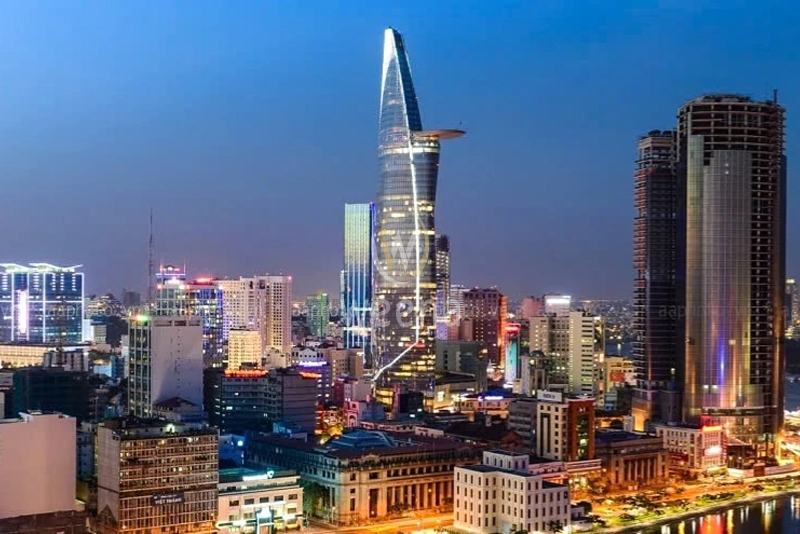

Vietnam has undergone remarkable economic transformation in recent decades. From a war-torn and centrally planned economy, the country has evolved into one of Southeast Asia’s most dynamic markets. Financial growth—characterized by an increase in investments, improved financial services, robust banking systems, and access to global capital—has played a critical role in this journey. This post explores the good sides of financial growth in Vietnam, highlighting how it contributes to prosperity, inclusion, innovation, and long-term development.
1. Rising Living Standards Across the Nation
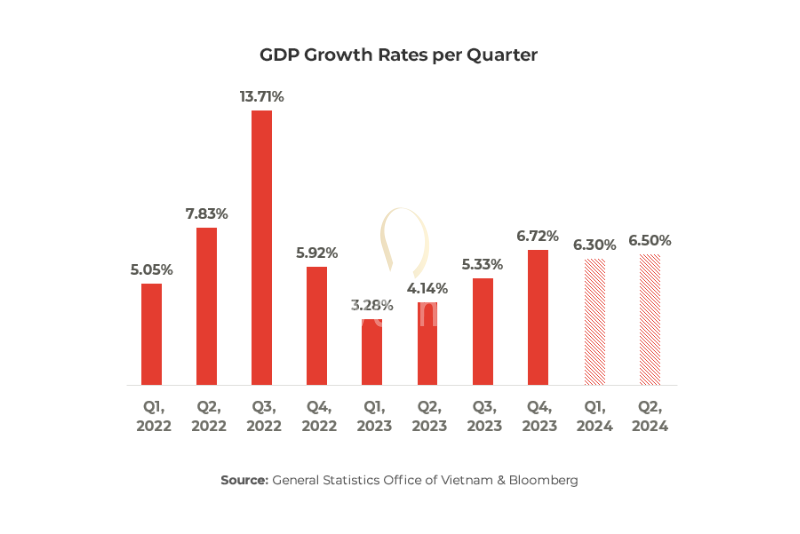
One of the most visible impacts of financial growth in Vietnam is the significant improvement in living standards. As income levels rise and the economy becomes more stable, people enjoy better access to education, healthcare, and housing. According to the World Bank, Vietnam’s poverty rate declined from over 70% in the 1990s to less than 3% in recent years.
This transformation is powered by increased domestic savings, growing foreign investment, and a strong entrepreneurial culture—all supported by a more sophisticated financial sector. Financial institutions have made it easier for individuals to open bank accounts, take out loans, and manage their finances. These changes empower people to invest in their futures and improve their quality of life.
2. Strong Investment Climate and Economic Stability
Vietnam has become a magnet for foreign direct investment (FDI). Major global companies, from Samsung to Intel, have set up large operations in the country. The strong financial growth has created an attractive and relatively stable investment environment, characterized by low inflation, a well-managed currency (Vietnamese đồng), and solid economic policies.
The country’s financial growth also enables the government to fund large-scale infrastructure projects. Roads, bridges, airports, and industrial zones are being built at an impressive pace, improving connectivity and boosting productivity. Such development strengthens the economy’s foundations and creates jobs for millions.
3. Booming Start-Up Ecosystem and Tech Innovation
source: worldeconomics.com
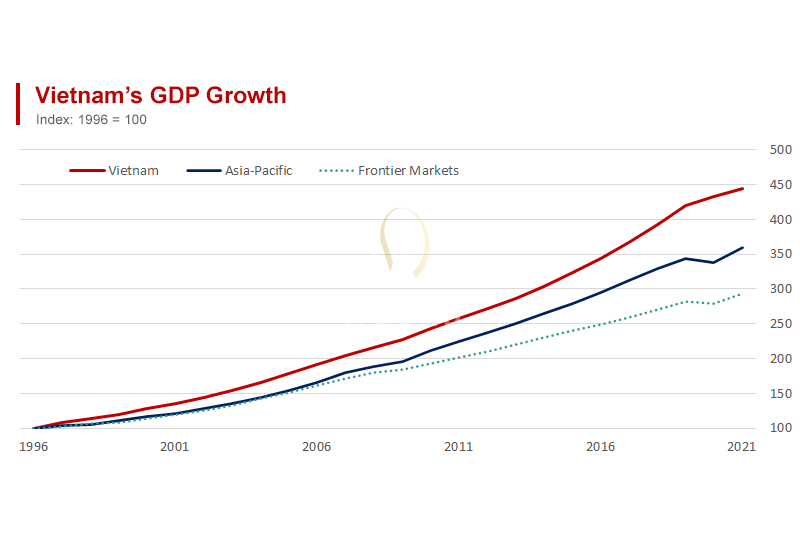
Vietnam’s growing financial capacity has given rise to a vibrant start-up ecosystem. With better access to venture capital, angel investors, and government-backed funds, entrepreneurs are more equipped to launch innovative businesses. Cities like Ho Chi Minh City and Hanoi are becoming tech hubs where fintech, e-commerce, and software development thrive.
Financial growth enables innovation by improving access to credit and digital financial services. The popularity of mobile banking and digital wallets is helping Vietnam leapfrog traditional banking models. Young businesses can now manage operations more efficiently, reach customers digitally, and scale faster than ever before.
4. Expanded Financial Inclusion
Financial growth has led to greater financial inclusion—ensuring that more people, especially in rural and underserved areas, can access financial services. Through mobile banking, microfinance, and fintech platforms, farmers, small business owners, and low-income individuals can access credit, insurance, and savings tools.
The State Bank of Vietnam has actively promoted financial literacy and inclusion, helping bridge the urban-rural divide. As more people participate in the financial system, they can invest in education, healthcare, and small enterprises, driving local economic growth and reducing inequality.
5. Strengthening of the Banking and Financial Sector
Vietnam’s banking sector has undergone significant reform, becoming more resilient and competitive. Improved regulation, better risk management, and digital transformation have enhanced trust in the financial system. More stable banks mean greater access to credit for individuals and businesses.
Additionally, Vietnam’s stock market has become a key channel for raising capital. As more companies list on the Ho Chi Minh City Stock Exchange and Hanoi Stock Exchange, transparency and corporate governance standards improve. A vibrant capital market also provides investment opportunities for Vietnamese citizens and attracts foreign investors.
6. Empowered Middle Class and Consumer Market
The expansion of financial services has fueled the rise of a strong middle class. Millions of Vietnamese now have access to home loans, consumer credit, and investment products. This newfound financial capability boosts domestic consumption, which is now a major engine of economic growth.
A more empowered middle class leads to greater demand for quality goods and services—fueling business expansion in retail, education, healthcare, and tourism. It also means more citizens can plan for retirement, invest in education, and create generational wealth.
7. Increased Global Integration and Trade
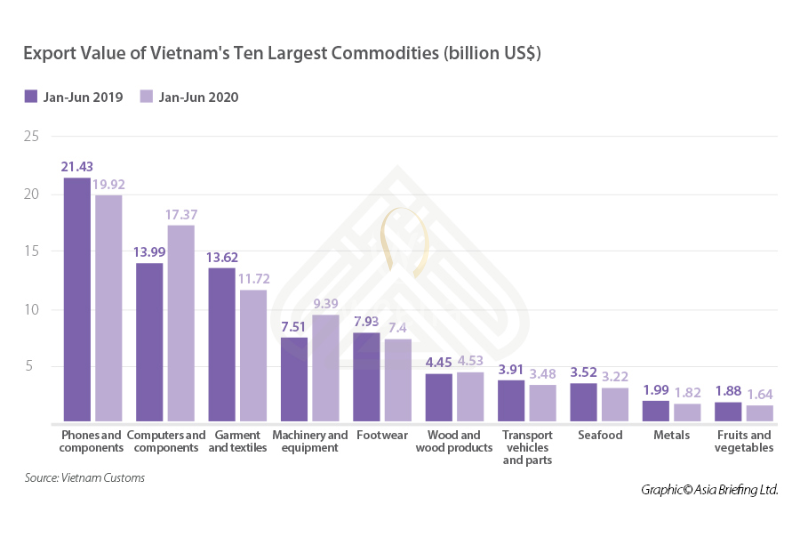
Vietnam’s financial growth has strengthened its position in the global economy. By maintaining a competitive currency and sound macroeconomic policies, Vietnam has built strong trade relationships with key markets such as the United States, China, the EU, and regional partners in ASEAN.
Vietnam’s participation in major trade agreements—like the CPTPP, EVFTA, and RCEP—has been supported by its growing financial strength. This integration boosts exports, attracts capital inflows, and fosters knowledge transfer, enhancing the country’s productivity and competitiveness.
8. Sustainable Development and Green Finance
With financial growth comes the capacity to invest in sustainability. Vietnam is making strides in renewable energy, green infrastructure, and sustainable agriculture—thanks in part to increased financial resources and international cooperation.
Green bonds, climate-related investment funds, and ESG (environmental, social, governance) standards are gaining traction in Vietnam’s financial markets. These tools help channel investment into environmentally friendly projects while creating new economic opportunities in the green economy.
9. Job Creation and Entrepreneurship
Financial growth encourages entrepreneurship and job creation. With better access to loans, training, and digital tools, more people are launching small and medium-sized enterprises (SMEs), which form the backbone of Vietnam’s economy.
Young professionals are no longer limited to working in agriculture or low-wage manufacturing. Instead, they are entering fields like IT, marketing, education, logistics, and digital services. This shift reflects a more diverse and future-ready economy.
10. Resilience in the Face of Global Challenges
source: vietnam briefing
Vietnam’s strong financial foundation has also increased its resilience. The country managed the COVID-19 pandemic with relative success, in part due to prudent fiscal management and the ability to mobilize financial resources quickly. Likewise, it has adapted well to global economic headwinds, such as supply chain disruptions or inflationary pressures.
As global markets fluctuate, Vietnam’s financial maturity helps it navigate uncertainty and remain an attractive destination for investment and trade.
Conclusion: A Bright Financial Future
The financial growth of Vietnam is more than just numbers on a spreadsheet. It reflects a deeper transformation—one that touches lives, empowers communities, and strengthens the nation’s future. From poverty reduction to tech innovation, from greater financial access to international competitiveness, the good sides of financial growth are evident and far-reaching.
As long as Vietnam continues to invest in inclusive, sustainable, and digital financial systems, the country is well-positioned to become not only a regional leader but a global model of equitable economic development.
For further questions, please contact us through:
Weena Trading Asia Investment Company,
Address: No. 15, Lane 1, An Duong Vuong Street, Phu Thuong Ward, Tay Ho, Hanoi
Email: info@weena.vn
Phone: 092 591 3986
No Comments