


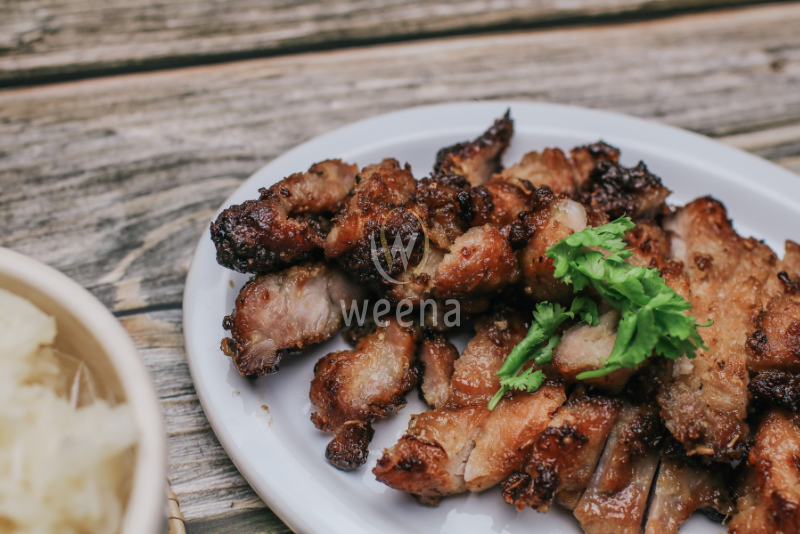

Pork has been a staple in cuisines around the world for centuries, celebrated for its versatility, flavor, and cultural significance. From traditional dishes to modern culinary experiments, pork has played a vital role in shaping food culture across continents. Here’s an in-depth exploration of its history, culinary uses, nutritional value, and more.
The History of Pork
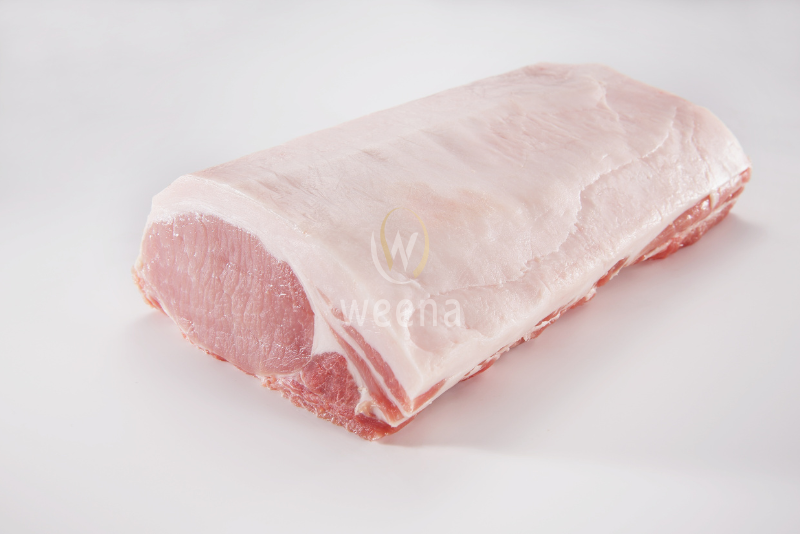
Pork production dates back thousands of years. Domesticated pigs (Sus scrofa domesticus) are believed to have been first raised around 10,000 years ago in areas of modern-day Turkey and China. Over time, as human societies advanced, the raising of pigs spread across Europe, Asia, and beyond. The meat became a primary source of protein, particularly in regions where cattle or other livestock were less common or suitable for the environment.
In ancient Rome, pork was a prized meat, and the Romans developed many preservation and preparation techniques, such as curing and smoking. These practices laid the groundwork for culinary traditions that continue to this day, including products like bacon, ham, and sausages.
Pork in Global Cuisines
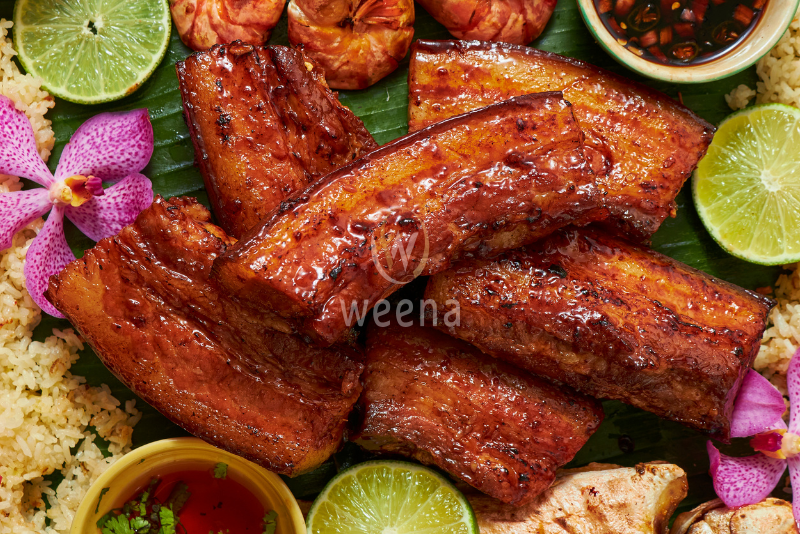
One of the defining features of pork is its extraordinary versatility. Cultures around the world have embraced it, creating iconic dishes and recipes that showcase its unique flavors:
1. East Asia: In China, pork is a cornerstone of the cuisine. Dishes like sweet and sour pork, red-cooked pork (hong shao rou), and dumplings filled with minced pork are beloved staples. Japan features tonkatsu (breaded and deep-fried pork cutlets), while Korean cuisine offers samgyeopsal (grilled pork belly) and bossam (boiled pork wraps).
2. Europe: From Spanish jamón ibérico to German bratwurst and Italian porchetta, pork takes center stage in European kitchens. British cuisine is known for dishes like roast pork with crispy crackling, while Eastern European countries boast hearty dishes such as Hungarian pork goulash.
3. The Americas: In the United States, pork is synonymous with barbecue in regions like the South, where pulled pork and ribs are smoked to perfection. In Mexico, carnitas (slow-cooked, shredded pork) is a beloved dish, while Cuban cuisine features lechón asado (roast pork).
4. Southeast Asia: Pork is integral to Vietnamese cuisine, with dishes like bánh mì (pork-filled baguettes) and thịt kho tàu (caramelized pork belly). In the Philippines, lechon (whole roasted pig) is a centerpiece for celebrations.
Nutritional Value
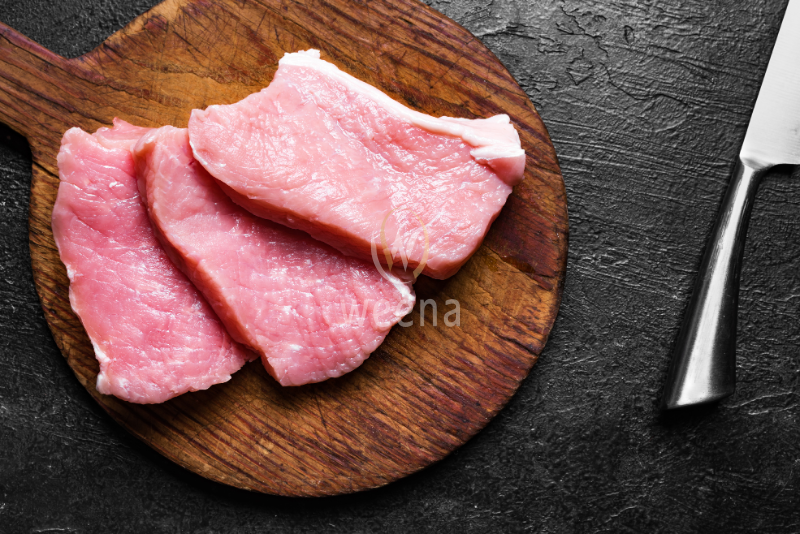
Pork is a rich source of protein, essential vitamins, and minerals. It contains B vitamins such as B6 and B12, which support energy production and brain health, as well as minerals like zinc, iron, and selenium. Different cuts of pork vary in fat content, ranging from lean cuts like tenderloin to fattier options such as pork belly. While pork can be part of a balanced diet, moderation and cooking methods matter, as some preparations (e.g., deep-frying) can increase calorie and fat intake.
Ethical and Cultural Considerations
Pork consumption is influenced by cultural and religious beliefs. In Islam and Judaism, pork is considered haram and non-kosher, respectively, and is not consumed by adherents. In other cultures, pork holds significant symbolic value, often used in rituals or celebrations.
The ethics of pork production have also come under scrutiny in recent years. Concerns about animal welfare, environmental impact, and health have led to the rise of sustainable and humane farming practices. Consumers today are increasingly aware of where their food comes from, opting for free-range, organic, or locally sourced pork.
Modern Trends and Innovations
As food culture evolves, so does the way we approach pork. Some trends and innovations include:
– Plant-Based Alternatives: Companies are developing plant-based “pork” products to cater to vegetarians, vegans, and those seeking more sustainable options.
– Fusion Cuisine: Chefs are blending global flavors, creating dishes like pork belly tacos with Korean-inspired marinades.
– Nose-to-Tail Cooking: This approach advocates using every part of the pig, minimizing waste and celebrating cuts like trotters, ears, and even blood for traditional dishes like black pudding.
Fun Facts About Pork
– Pigs are highly intelligent animals, known for their problem-solving abilities and social behavior.
– Pork is the most widely consumed meat in the world, accounting for about 36% of global meat consumption.
– Bacon has inspired everything from scented candles to ice cream flavors, proving its iconic status in pop culture.
Cooking Tips and Techniques
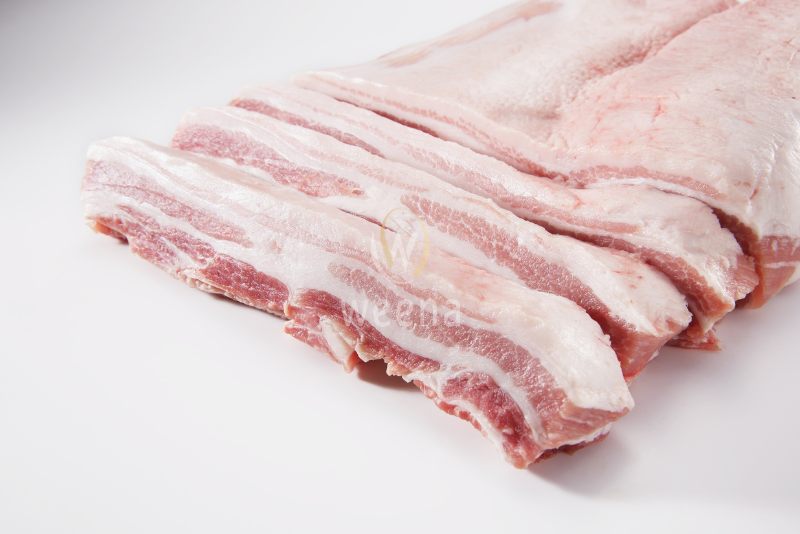
Pork’s versatility means it can be prepared using a variety of methods. Here are a few tips to bring out its best qualities:
– Marinades: Marinating pork can tenderize the meat and infuse it with flavor. Popular ingredients include garlic, soy sauce, vinegar, and honey.
– Slow Cooking: Tougher cuts like pork shoulder benefit from slow cooking, which breaks down connective tissue and enhances tenderness.
– Grilling: Pork chops, ribs, and tenderloin are excellent for grilling. Always preheat the grill to ensure even cooking.
– Roasting: A roast pork dish with crispy skin (crackling) is a showstopper. Pat the skin dry and season with salt for the best results.
In conclusion, pork is more than just a source of sustenance. Its rich history, cultural significance, and culinary potential make it a fascinating subject and a delicious addition to meals worldwide. Whether you’re savoring a plate of barbecued ribs or crafting dumplings from scratch, pork is a testament to the creativity and traditions that define our shared food heritage.
For further questions, please contact us through:
Weena Trading Asia Investment Company,
Address: No. 15, Lane 1, An Duong Vuong Street, Phu Thuong Ward, Tay Ho, Hanoi
Email: info@weena.vn
Phone: 092 591 3986
No Comments