


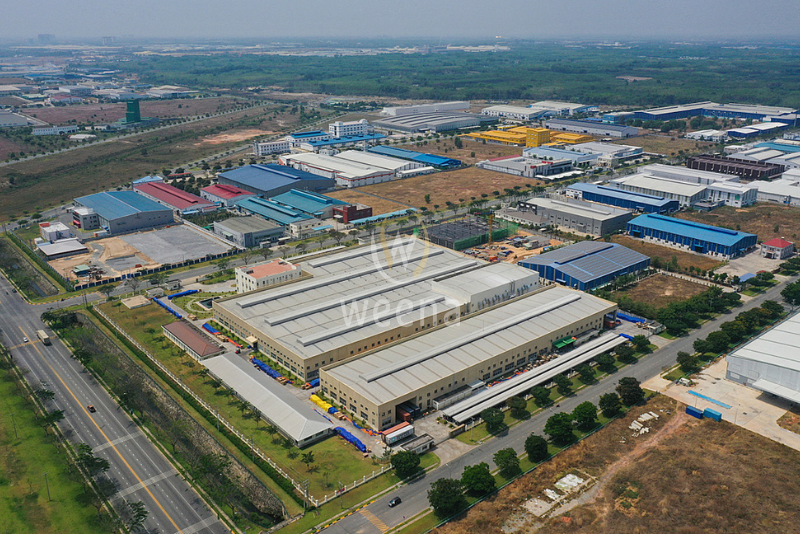

Vietnam’s transformation into a manufacturing powerhouse owes much to the sprawling network of foreign factories dotting its landscape. As of March 10, 2025, these facilities—operated by giants like Samsung, LG, Nike, and lesser-known players from Japan to Europe—form the backbone of Vietnam’s industrial surge. They’ve turned sleepy provinces into bustling hubs, churning out everything from smartphones to sneakers for global markets. This phenomenon has supercharged Vietnam’s economy, drawing billions in investment and reshaping its workforce, but it’s not without its complexities. Let’s unpack the rise, impact, and road ahead for these foreign-driven engines of growth.
A New Industrial Frontier
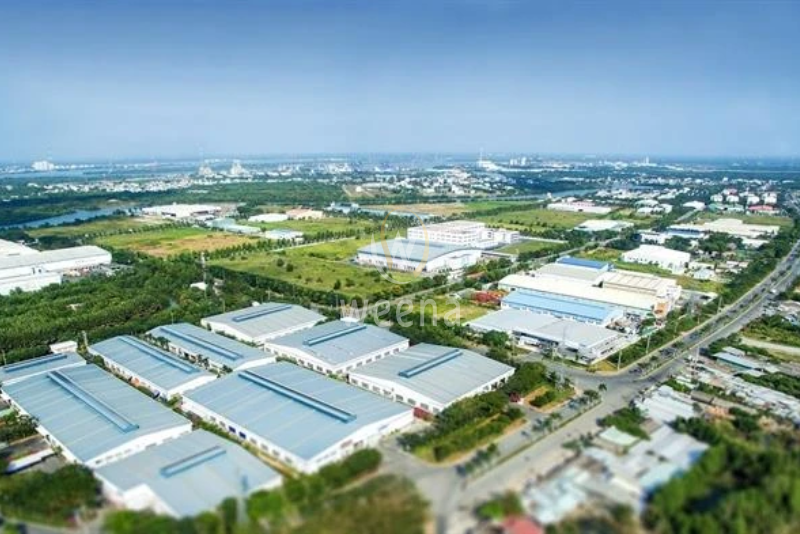
Vietnam’s allure for foreign factories began with its bold pivot from isolation to openness in the late 1980s, sparked by the Đổi Mới reforms. By 2025, this vision has matured into a thriving ecosystem of foreign investment. The country welcomed $36.6 billion in foreign direct investment (FDI) in 2024, with manufacturing claiming the lion’s share, and 2025 projections hover around $28 billion despite global uncertainties. This capital has fueled an industrial renaissance, positioning Vietnam as a linchpin in the reconfiguration of global supply chains—a shift accelerated by trade disputes and pandemic-era lessons.
Take Samsung, a trailblazer in Vietnam’s factory boom. Its sprawling complexes in Bac Ninh and Thai Nguyen churn out over 60% of its global smartphone supply, with investments topping $22 billion by 2025. LG’s $4 billion factory in Hai Phong produces cutting-edge OLED displays, while Denmark’s LEGO is nearing completion of a $1 billion plant in Binh Duong, set to roll out bricks by late 2025. These aren’t outliers—hundreds of foreign firms, from Taiwan’s Pegatron to Germany’s Bosch, have planted flags here, betting on Vietnam’s promise.
What Draws Them In?
Vietnam’s appeal is multifaceted. Its workforce, numbering over 52 million, is a goldmine—young, affordable, and eager. Workers earn roughly $340 monthly in industrial zones, a fraction of costs in neighboring giants like China. In Quang Ninh, near the Chinese border, laborers assemble Apple AirPods for Goertek, showcasing a dexterity that’s caught the eye of tech titans. The government’s push for education—boasting near-universal primary enrollment—ensures a steady pipeline of talent, though gaps in advanced skills persist.
Location is another ace. Nestled between China and the shipping lanes of the South China Sea, Vietnam offers logistical magic. Hai Phong’s port hums with containers bound for the U.S. and Europe, while southern hubs like Dong Nai link seamlessly to Ho Chi Minh City’s export arteries. Add to that a web of trade deals—think EVFTA, CPTPP, and RCEP—and foreign factories enjoy duty-free pathways to half the planet. In 2024, Vietnam’s exports soared to $405 billion, with foreign firms driving 85% of that haul.
The government sweetens the pot with perks: tax breaks stretching up to 15 years, land leases in industrial parks, and a bureaucracy that’s learned to cut corners for investors. When Intel doubled down on its $1.5 billion Ho Chi Minh City chip-testing hub in 2021, it cited Vietnam’s “business-friendly vibe” as a deciding factor—a sentiment echoed across boardrooms in Seoul, Tokyo, and beyond.
Economic Ripples: Prosperity and Pressure
The economic dividends are undeniable. Foreign factories have turbocharged Vietnam’s GDP, which grew 7.09% in 2024 and aims for 8% in 2025. Manufacturing now accounts for a fifth of economic output, with industrial growth pegged at 9.2% this year. Exports—think $70 billion in electronics alone—prop up a $30 billion trade surplus, cushioning Vietnam against global shocks.
Jobs are the real game-changer. In Long An, workers stitch Puma jackets in factories employing tens of thousands, while in Hung Yen, Canon’s printer assembly lines hum with activity. Over 2 million manufacturing jobs trace back to foreign firms, lifting wages to 8.5 million VND monthly in some zones by early 2025. Unemployment sits at a tidy 2.2%, a stark contrast to regional peers, though the 8% youth jobless rate hints at untapped potential.
Beyond numbers, these factories spark local economies. In Bac Giang, Foxconn’s $300 million iPhone component plant has spawned noodle stalls, dormitories, and motorbike shops—a micro-economy fueled by worker paychecks. Yet, this prosperity leans heavily on foreign hands; domestic firms often play second fiddle, supplying less than 15% of factory inputs.
The Flip Side: Strains and Risks
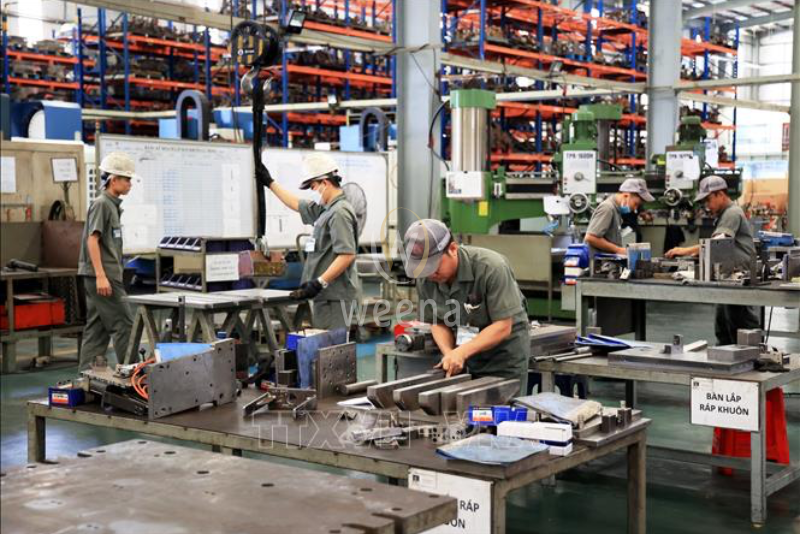
The boom carries baggage. Vietnam’s infrastructure groans under the weight of industrial demand. Power outages plague northern zones during peak seasons, and southern ports like Cat Lai face congestion that delays shipments. The 2024 typhoon season, with Yagi’s wrath, exposed how nature can halt production—Samsung reported a week-long shutdown, costing millions.
Talent shortages loom large. Foreign factories crave engineers and tech-savvy workers, but Vietnam’s education system churns out more generalists than specialists. In Hanoi, Samsung’s R&D center, opened in 2022, struggles to fill high-skill roles locally, importing talent instead. Bridging this divide is urgent if Vietnam wants to climb the value chain.
Reliance on imports is another Achilles’ heel. Textile factories, for instance, source 60% of their fabric from abroad, inflating costs and exposing them to supply shocks. When China’s 2024 lockdowns hit, apparel lines stalled, a reminder of Vietnam’s tethered fate. Building local supply chains could break this cycle, but progress is sluggish.
Then there’s the environment. Industrial sprawl has spiked pollution—rivers near Dong Nai factories run murky, and air quality in Binh Duong dips during production peaks. Foreign firms face pressure to go green; LG’s Hai Phong plant runs partly on solar, but most lag behind. Vietnam’s 2050 carbon-neutral pledge demands tougher standards, a test for factory-heavy growth.
Cultural Echoes
Foreign factories aren’t just economic—they’re cultural catalysts. In Hai Duong, Japanese expats at Bridgestone’s tire plant have sparked sushi joints and karaoke bars. Korean managers in Thai Nguyen import K-pop vibes, while Taiwanese workers in Bac Ninh build Buddhist temples. These enclaves enrich Vietnam’s tapestry but strain housing and schools, nudging cities to adapt.
Looking Ahead: Balancing Act
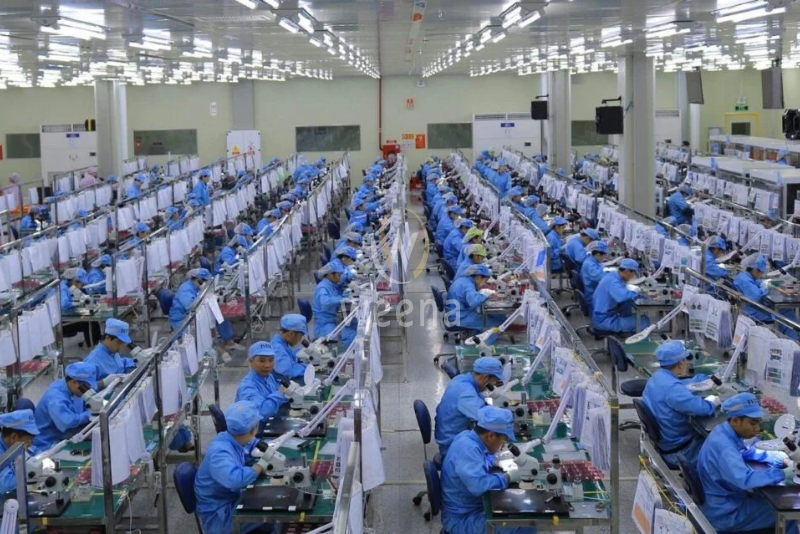
Vietnam’s future with foreign factories hinges on evolution. It’s gunning for a $1 trillion GDP by 2045, a high-income dream that needs more than cheap labor. Upgrading infrastructure—like the $15 billion North-South railway—or boosting renewable energy (39% of the mix by 2030) could ease bottlenecks. Digitizing factories, with a $50 billion digital economy target for 2025, promises efficiency gains.
For foreign firms, Vietnam remains a sweet spot—stable, affordable, and plugged into Asia’s arteries. But as India and Malaysia vie for the same investors, Vietnam must sharpen its edge. Nurturing local suppliers, greening operations, and training a tech-ready workforce could cement its lead. By 2025, these factories aren’t just making goods—they’re crafting Vietnam’s destiny, one circuit board and shoe sole at a time.
For further questions, please contact us through:
Weena Trading Asia Investment Company,
Address: No. 15, Lane 1, An Duong Vuong Street, Phu Thuong Ward, Tay Ho, Hanoi
Email: info@weena.vn
Phone: 092 591 3986
No Comments