


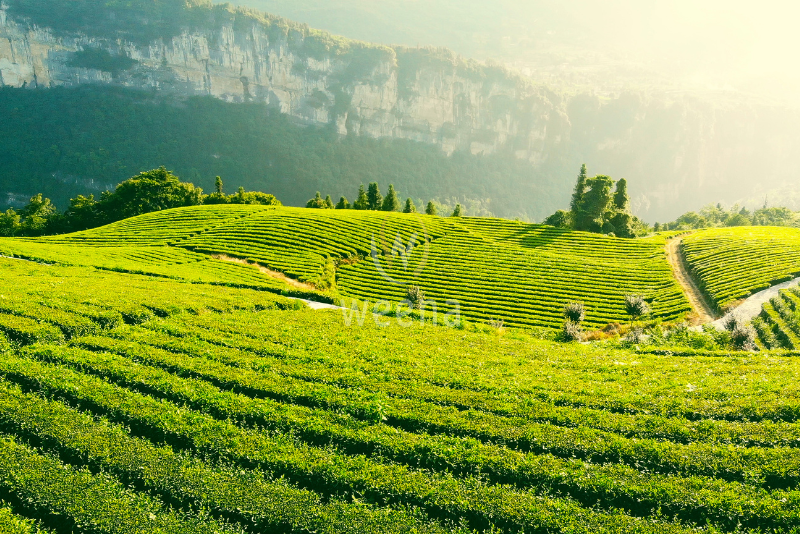

Tea farms are enchanting landscapes where nature, tradition, and craftsmanship converge to produce one of the world’s most cherished beverages. Whether nestled in misty mountains or sprawling across lush plains, tea farms are the heart of tea production, providing the leaves that define countless cultures and rituals. This article delves into the world of tea farms, exploring their cultivation practices, environmental significance, and cultural impact.
1. The Basics of Tea Farming
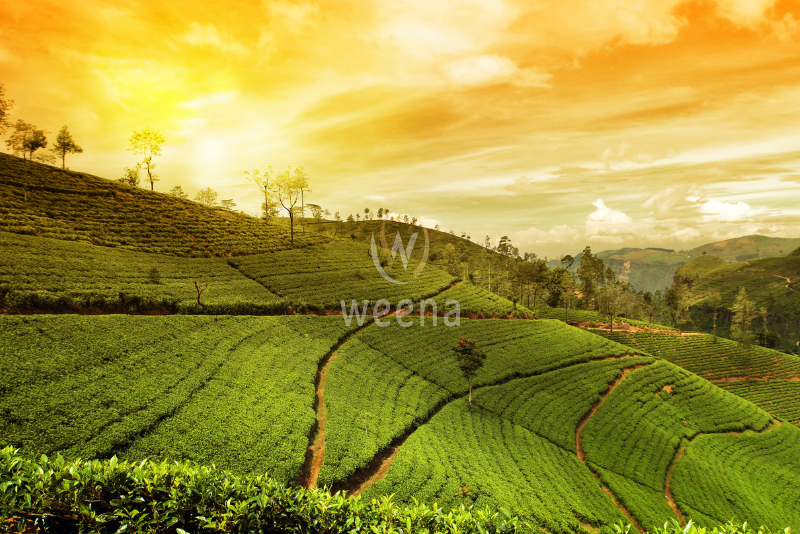
Tea comes from the plant Camellia sinensis, which thrives in tropical and subtropical climates. Key factors that influence tea cultivation include:
– Climate: Tea grows best in warm temperatures with ample rainfall. High-altitude farms, like those in Darjeeling or the Chinese mountains, produce premium teas with unique flavors.
– Soil: Rich, acidic, and well-drained soil enhances the quality of the leaves.
– Varieties: The two main tea varieties are Camellia sinensis sinensis (small-leaf, used in green and white teas) and *Camellia sinensis assamica (large-leaf, used in black and pu-erh teas).
Farmers carefully manage these elements to produce high-quality leaves for different types of tea.
2. Cultivation Practices
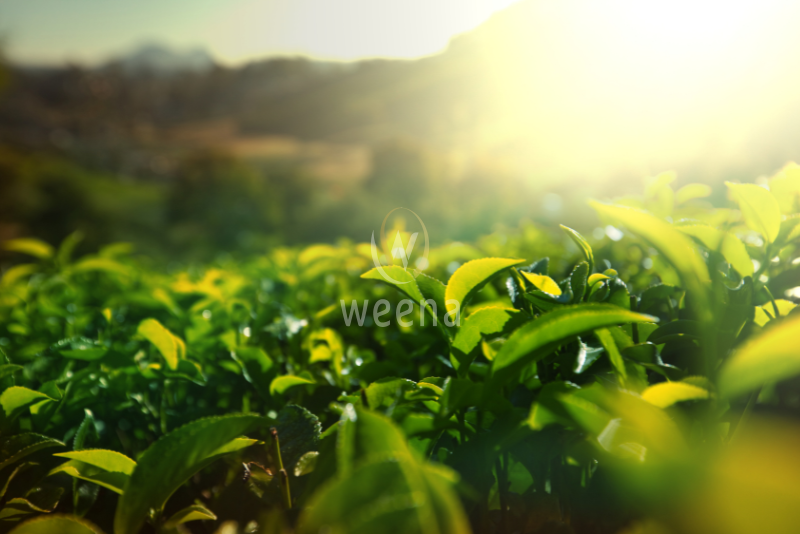
Tea farming involves meticulous techniques to ensure plant health and leaf quality:
– Planting and Pruning: Tea bushes are typically planted in rows for easy harvesting. Regular pruning keeps the plants healthy and stimulates leaf production.
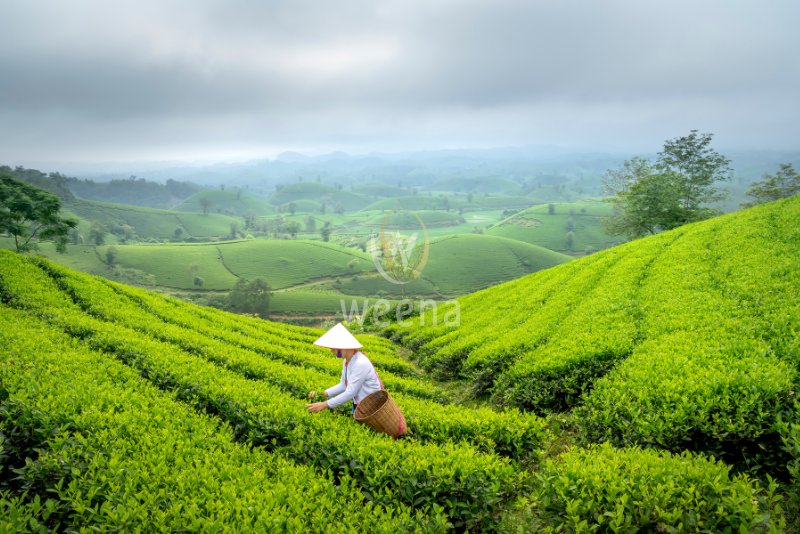
– Plucking: Skilled workers handpick the youngest leaves and buds, which are most flavorful. Mechanical harvesting, while faster, may compromise quality.
– Shade Management: Some farms grow tea under shade to enhance chlorophyll production, creating smoother flavors.
3. Processing Tea Leaves
Once harvested, tea leaves undergo processing to determine their type. The main steps include:
– Withering: Reduces moisture content, making leaves pliable for rolling.
– Rolling: Crushes the leaves to release enzymes, crucial for flavor development.
– Oxidation: Exposes leaves to air, changing their chemical composition and defining the tea type (e.g., green, black, or oolong).
– Drying: Stops oxidation and preserves the leaves.
Each step is carefully controlled to achieve the desired flavor, aroma, and appearance.
4. The Environmental Importance of Tea Farms
Tea farming has a significant impact on the environment, both positive and negative.
– Biodiversity: Tea farms, particularly organic ones, can support diverse ecosystems by maintaining tree cover and encouraging natural pest control.
– Carbon Sequestration: Tea plants absorb carbon dioxide, helping to mitigate climate change.
– Water Use: However, intensive tea farming requires substantial water, and improper practices can strain local resources.
– Soil Health: Overuse of chemical fertilizers can degrade soil, but sustainable farming practices, like composting and crop rotation, preserve it.
Modern tea farms increasingly adopt eco-friendly methods to reduce their environmental footprint.
5. The Cultural and Economic Role of Tea Farms
Tea farming is deeply intertwined with local traditions and livelihoods:
– Cultural Heritage: Countries like China, Japan, and India have centuries-old tea-growing traditions. Tea farms often host cultural ceremonies and tours, showcasing the art of tea making.
– Employment: Tea farming supports millions of workers worldwide, particularly in regions like Sri Lanka, Kenya, and Vietnam. Women often make up a large portion of the workforce, especially in plucking and sorting leaves.
– Tourism: Scenic tea plantations attract tourists, blending agriculture with hospitality. Regions like the Cameron Highlands in Malaysia and the tea gardens of Assam are popular destinations.
6. Sustainable Tea Farming
Sustainability is becoming a priority for tea farms to address environmental and social challenges:
– Organic Farming: Avoids synthetic chemicals, promoting healthier ecosystems and tea.
– Fair Trade Practices: Ensures farmers and workers receive fair wages and safe working conditions.
– Renewable Energy: Some farms utilize solar or hydropower to reduce emissions.
– Water Conservation: Techniques like rainwater harvesting help manage water usage.
Consumers increasingly value teas produced under sustainable and ethical standards, encouraging more farms to adopt these practices.
7. Visiting a Tea Farm
Visiting a tea farm offers a unique experience, allowing you to connect with the origins of your favorite beverage. Tours typically include:
– Guided walks through lush plantations.
– Demonstrations of tea plucking and processing.
– Tasting sessions to explore different flavors and grades of tea.
This immersive journey fosters appreciation for the hard work and artistry behind every cup.
8. The Future of Tea Farming
As demand for tea continues to grow, tea farms face challenges like climate change, soil degradation, and market fluctuations. Innovations like drought-resistant tea plants, precision agriculture, and blockchain for supply chain transparency are shaping the future of tea farming.
Conclusion
Tea farms are not just agricultural spaces; they are living embodiments of history, culture, and craftsmanship. From the careful cultivation of leaves to the meticulous processing methods, every step reflects the dedication of farmers and the importance of sustainable practices. By supporting ethical and environmentally friendly tea farms, consumers can help preserve this timeless tradition for generations to come.
For further questions, please contact us through:
Weena Trading Asia Investment Company,
Address: No.1N7, 202 Alley, Vo Chi Cong Street, Xuan La Ward, Tay Ho District, Ha Noi City
Email: info@weena.vn
Phone: +84 70 550 4244
No Comments