




Cancer prevention involves a multifaceted approach, with a healthy diet playing a central role. While no single food guarantees immunity, research shows that specific dietary patterns and lifestyle choices can significantly reduce the risk of developing cancer. Here are practical steps to make informed food choices that support overall health and help avoid cancer.
1. Focus on Plant-Based Foods
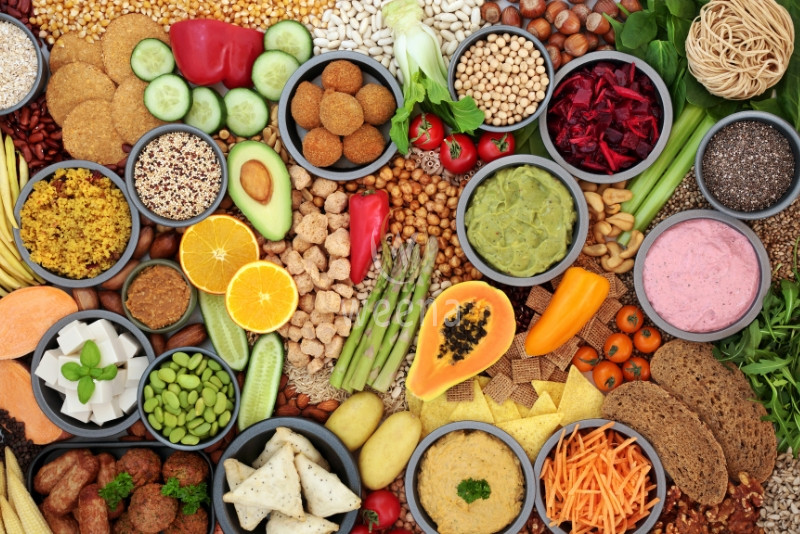
Plant-based diets are rich in vitamins, minerals, fiber, and antioxidants, which protect cells from damage and reduce cancer risk. Include a variety of these in your diet:
– Fruits and Vegetables: Aim for a colorful plate with cruciferous vegetables (e.g., broccoli, cauliflower, Brussels sprouts), berries, leafy greens, and tomatoes. These foods contain phytonutrients like flavonoids and carotenoids that combat oxidative stress.
– Whole Grains: Choose brown rice, quinoa, whole-wheat bread, and oats. Their fiber content supports gut health and may reduce the risk of colorectal cancer.
– Legumes and Nuts: Beans, lentils, almonds, and walnuts provide plant-based proteins and healthy fats that may offer protective benefits.
2. Limit Processed and Red Meat
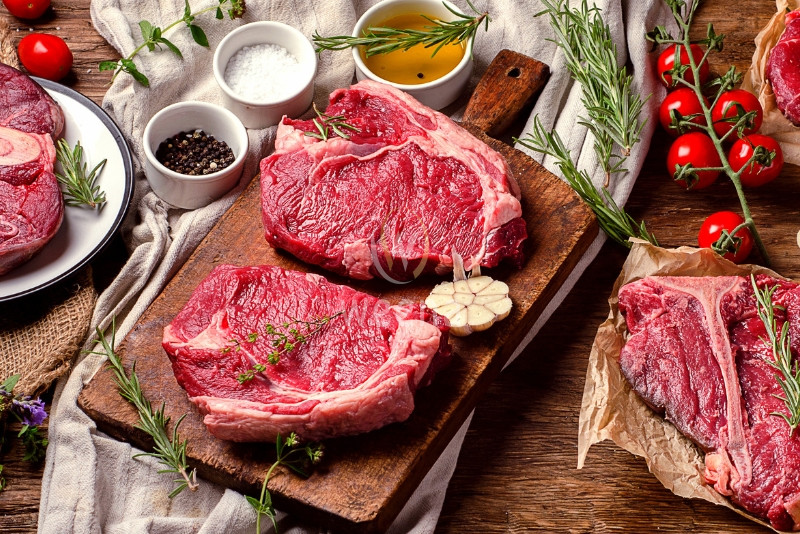
Studies link high consumption of processed meats (like sausages, bacon, and ham) and red meats (such as beef, pork, and lamb) to an increased risk of colorectal and stomach cancers. To reduce risk:
– Opt for plant-based protein sources or lean meats like poultry and fish.
– Avoid charring or grilling meat at high temperatures, which produces carcinogenic compounds.
3. Avoiding Cancer by Reducing Sugar and Refined Carbohydrates

A diet high in sugar and refined carbs can lead to obesity, which is a significant risk factor for several cancers, including breast, pancreatic, and esophageal cancer. Manage this by:
– Reducing sugary drinks, desserts, and snacks.
– Choosing complex carbohydrates like sweet potatoes, whole grains, and legumes.
4. Incorporate Healthy Fats
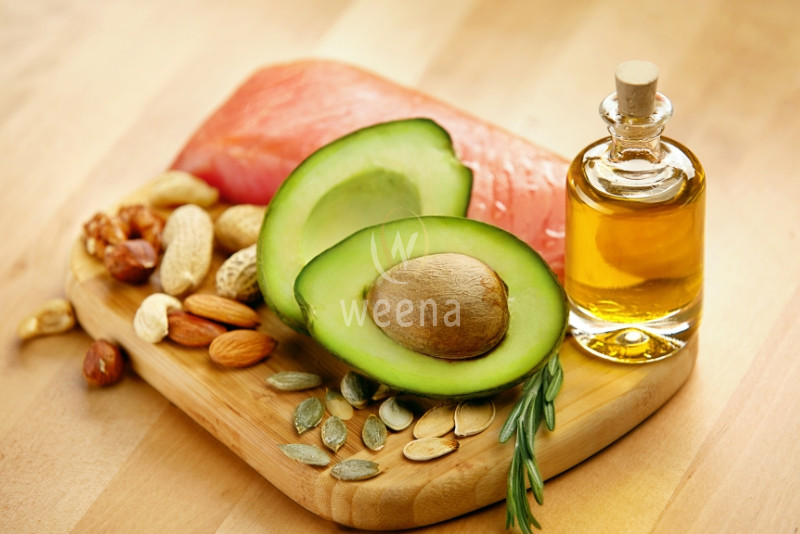
Healthy fats, such as those from olive oil, avocados, and fatty fish (e.g., salmon and mackerel), are anti-inflammatory and may help lower cancer risk. Avoid trans fats, often found in processed foods, as they are linked to increased inflammation and disease.
5. Control Portion Sizes
Overeating contributes to weight gain and obesity, both of which increase cancer risk. Mindful eating habits include:
– Using smaller plates.
– Eating slowly to recognize fullness.
– Avoiding eating out of boredom or stress.
6. Beware of Contaminants and Additives
Certain food contaminants and additives are associated with cancer risk. Be cautious about the following:
– Pesticides: Wash fruits and vegetables thoroughly or choose organic options to reduce exposure.
– Nitrates and Nitrites: Commonly found in processed meats, these compounds can form carcinogens in the body.
– Artificial Sweeteners: Use natural alternatives like stevia or limit intake, as some studies raise concerns about long-term effects.
7. Cook Smart

Cooking methods can influence the healthiness of food. For example:
– Prefer steaming, boiling, or baking over frying and grilling.
– Avoid burning or overcooking food to minimize carcinogen formation, such as acrylamide in fried or roasted starchy foods.
8. Stay Hydrated with Healthy Beverages

What you drink also matters:
– Water: Helps flush toxins from the body.
– Green Tea: Rich in catechins, which may have anti-cancer properties.
– Limit Alcohol: Alcohol consumption is a known risk factor for cancers of the liver, breast, and colon. If consumed, do so in moderation.
9. Be Mindful of Supplements

Whole foods are the best source of nutrients, but supplements may help if there are dietary gaps. However, excessive supplementation, such as high doses of beta-carotene or vitamin E, can increase cancer risk. Consult a healthcare provider before taking supplements.
10. Adopt a Healthy Lifestyle

Food choices work best when combined with other healthy habits:
– Exercise Regularly: Physical activity helps maintain a healthy weight and reduce cancer risk.
– Quit Smoking: Tobacco is a major carcinogen linked to numerous cancers.
– Manage Stress: Chronic stress can weaken the immune system, making it less effective at fighting cancer cells.
11. Stay Informed

Regularly update your knowledge about food safety and cancer prevention. Pay attention to new research, and follow guidelines
Conclusion
Preventing cancer through food involves a balanced diet rich in plant-based foods, limiting harmful substances, and cooking wisely. While no diet guarantees total protection, these steps build a strong foundation for reducing cancer risk and promoting overall health. Combine these strategies with a healthy lifestyle for the most effective prevention.
For further questions, please contact us through:
Weena Trading Asia Investment Company,
Address: No.1N7, 202 Alley, Vo Chi Cong Street, Xuan La Ward, Tay Ho District, Ha Noi City
Email: info@weena.vn
Phone: +84 70 550 4244
No Comments