

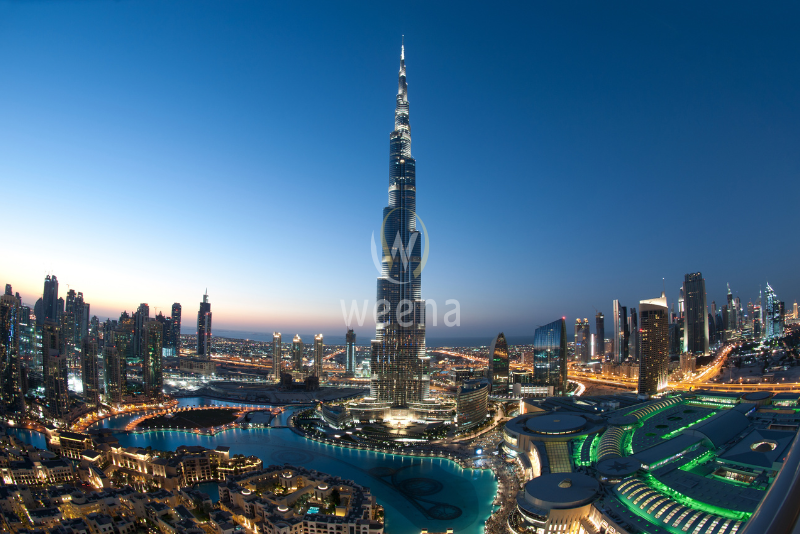

Dubai, one of the seven emirates that make up the United Arab Emirates (UAE), has transformed dramatically over the past few decades, evolving from a small fishing and pearl-diving village into a thriving global metropolis. Known for its futuristic skyline, luxurious lifestyle, and cutting-edge architecture, Dubai is now a world-renowned destination for tourism, trade, finance, and real estate. With a unique blend of traditional Emirati culture and a progressive outlook, Dubai serves as a powerful example of rapid modernization and innovation.
History and Development
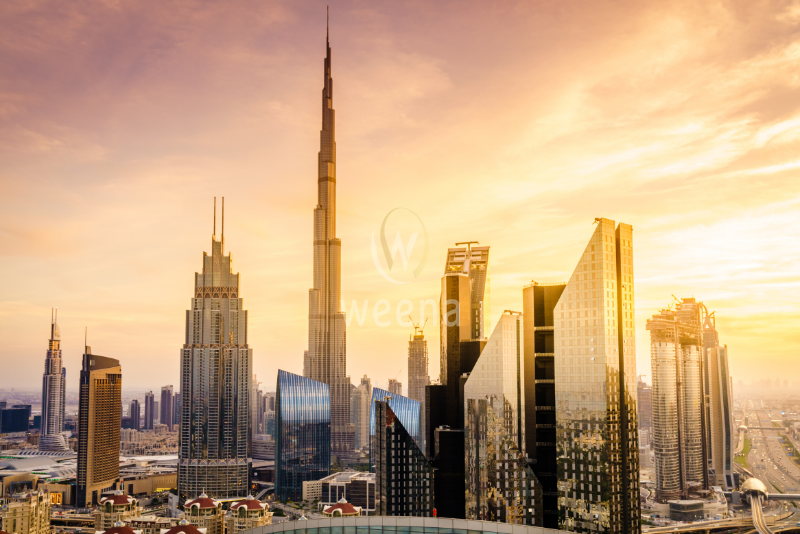
Dubai’s history dates back to the 18th century when it was a small fishing and trading port. Initially, the economy was based on fishing, pearling, and trade, with merchants playing a significant role in the region. The discovery of oil in 1966 marked a turning point for Dubai and the UAE, bringing substantial wealth and enabling rapid economic development. However, while oil revenue provided the initial foundation for growth, Dubai’s leaders, particularly Sheikh Rashid bin Saeed Al Maktoum, envisioned a diversified economy that could thrive independently of oil.
To achieve this, Dubai invested in infrastructure and developed industries such as tourism, real estate, aviation, and finance. This strategy proved successful, and by the late 20th century, Dubai had become a hub for international business and tourism. Today, oil accounts for less than 1% of Dubai’s GDP, with the economy instead driven by trade, services, and financial sectors.
Economic Powerhouse
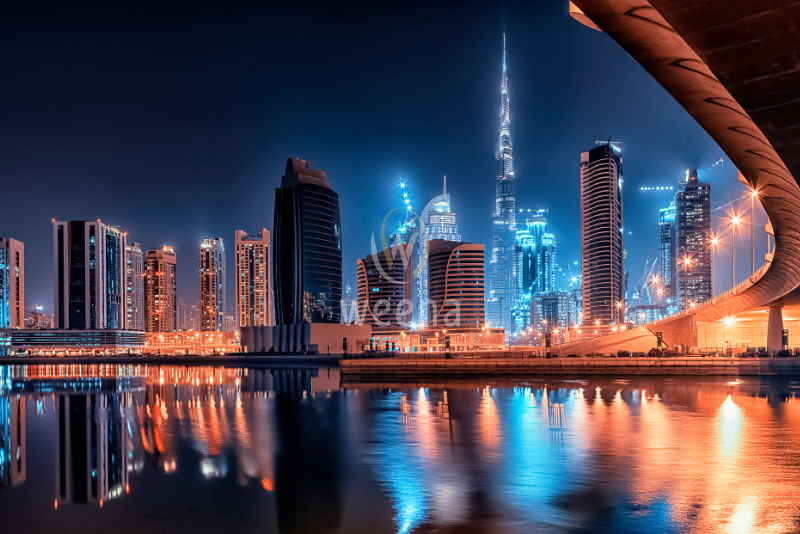
Dubai’s economy is one of the most diversified in the Middle East. The city has become a global financial center, attracting multinational corporations, investors, and entrepreneurs with its business-friendly policies and tax-free zones. Key to this success are Dubai’s free zones, such as Jebel Ali Free Zone and Dubai International Financial Centre (DIFC), which offer tax exemptions, full ownership rights for foreign companies, and minimal bureaucracy.
In addition to finance, tourism is a major contributor to Dubai’s economy. The city’s lavish hotels, pristine beaches, world-class shopping malls, and unique attractions like the Burj Khalifa and Palm Jumeirah attract millions of visitors each year. Dubai International Airport (DXB) is one of the busiest in the world, further strengthening the city’s role as a global travel and transit hub.
Dubai has also become a popular destination for retail, with annual shopping festivals drawing visitors from around the world. The Dubai Mall, one of the largest shopping centers globally, houses over 1,200 stores along with an aquarium, ice rink, and VR park, making it a retail and entertainment hotspot. Additionally, Dubai has established itself as a premier luxury destination, with iconic brands and high-end experiences available across the city.
Culture and Society
Although Dubai is often recognized for its modernization, it has retained strong ties to its cultural heritage. Emirati customs, such as hospitality and respect for tradition, remain at the heart of Dubai’s identity. Islamic values shape many aspects of daily life in Dubai, and while the city is progressive, it still observes certain cultural norms. For example, modest dress is generally encouraged, and respect for local customs is expected, especially during the holy month of Ramadan.
Dubai is also known for its cultural diversity. With expatriates making up approximately 85% of the population, Dubai is home to people from over 200 nationalities, creating a multicultural environment where various religions, languages, and traditions coexist. This diversity is celebrated in Dubai through cultural festivals, international events, and diverse culinary options from around the world. Dubai’s Global Village, an annual cultural event, is one example where visitors can experience food, crafts, and performances from different countries in one location.
Architecture and Innovation
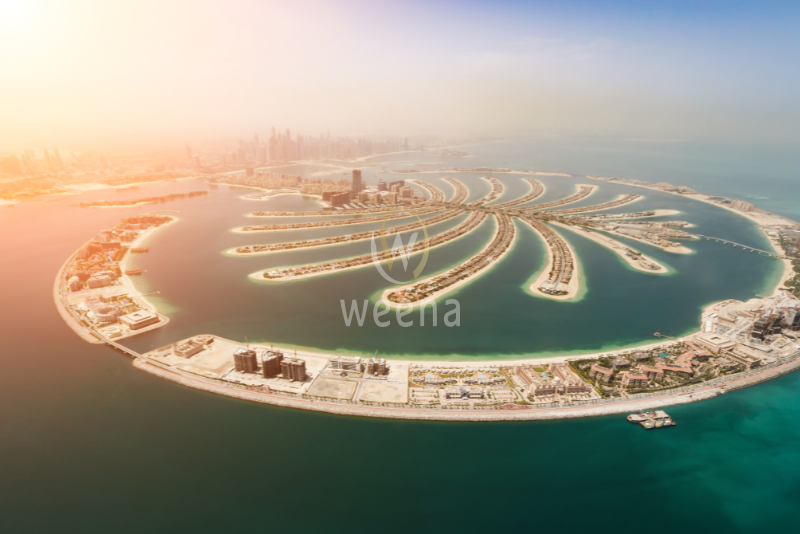
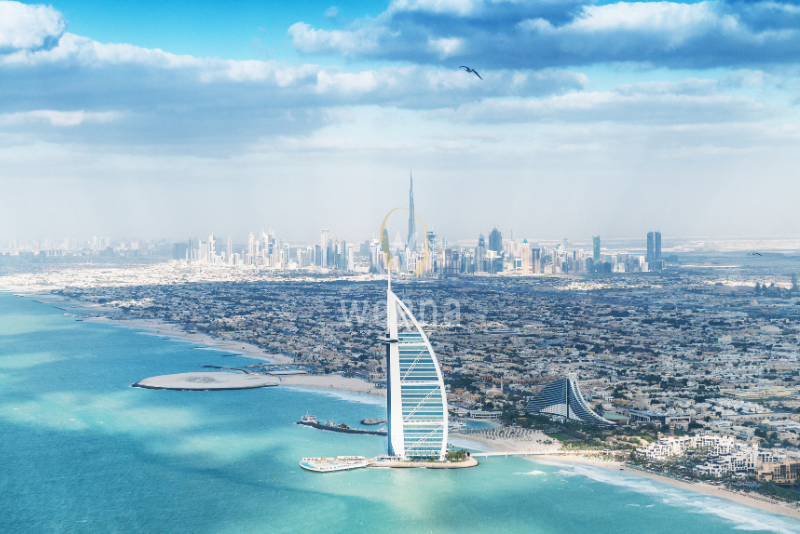
Dubai’s skyline is one of the most iconic in the world, featuring architectural marvels that push the boundaries of design and engineering. The Burj Khalifa, the tallest building in the world at 828 meters, is a symbol of Dubai’s ambition and innovation. Nearby, the Burj Al Arab, often called the world’s most luxurious hotel, resembles a sailboat and is built on its own artificial island. Dubai’s Palm Jumeirah, a palm tree-shaped man-made archipelago, showcases the city’s ingenuity in land reclamation and urban planning.
The city’s drive for innovation extends beyond architecture. Dubai has launched initiatives to become a leader in technology, smart cities, and sustainability. The Dubai Future Foundation is one such initiative aimed at exploring futuristic technologies like artificial intelligence, blockchain, and 3D printing. The city also aims to become a pioneer in renewable energy, with projects such as the Mohammed bin Rashid Al Maktoum Solar Park, one of the largest solar energy projects globally, supporting its vision for a sustainable future.
Tourism and Attractions
Tourism is a cornerstone of Dubai’s economy, with the city offering a variety of attractions for visitors of all interests. In addition to its luxurious hotels and shopping centers, Dubai offers desert safaris, theme parks, water parks, and cultural experiences. The Dubai Fountain, located at the base of the Burj Khalifa, is one of the city’s most popular attractions, offering choreographed water displays to music.
For adventure seekers, Dubai offers activities like skydiving over Palm Jumeirah, dune bashing in the desert, and indoor skiing at Ski Dubai, located within the Mall of the Emirates. Cultural landmarks like Al Fahidi Historic District, the Dubai Museum, and the Jumeirah Mosque provide insights into Dubai’s history and heritage. Dubai also hosts international events like the Dubai World Cup horse race, Art Dubai, and the Dubai Shopping Festival, further enhancing its appeal as a global tourist destination.
Sustainability and Future Vision
Dubai’s leaders are committed to creating a sustainable city that is ready for the future. The Dubai 2040 Urban Master Plan is a comprehensive initiative that focuses on making Dubai a more sustainable and resilient city with increased green spaces, improved public transport, and sustainable urban development. The city has introduced green building regulations and has invested in sustainable projects to reduce its carbon footprint.
Dubai also aims to become a global leader in smart city technology. The Dubai Smart City initiative focuses on using technology to improve the quality of life, with smart systems for waste management, transportation, and energy efficiency. Autonomous vehicles, drone delivery systems, and blockchain integration are all part of Dubai’s vision to be at the forefront of urban innovation.
Conclusion
Dubai’s transformation from a modest desert town to a thriving global city is a testament to visionary leadership, innovation, and strategic planning. Known for its luxury, cutting-edge architecture, and cultural inclusivity, Dubai continues to be a top destination for both business and leisure. As it looks toward a sustainable future, Dubai exemplifies how a city can balance rapid development with cultural heritage and environmental responsibility. Whether as a hub for trade, tourism, or innovation, Dubai’s influence on the global stage continues to grow.
For further questions, please contact us through:
Weena Trading Asia Investment Company,
Address: No.1N7, 202 Alley, Vo Chi Cong Street, Xuan La Ward, Tay Ho District, Ha Noi City
Email: info@weena.vn
Phone: +84 70 550 4244
No Comments