


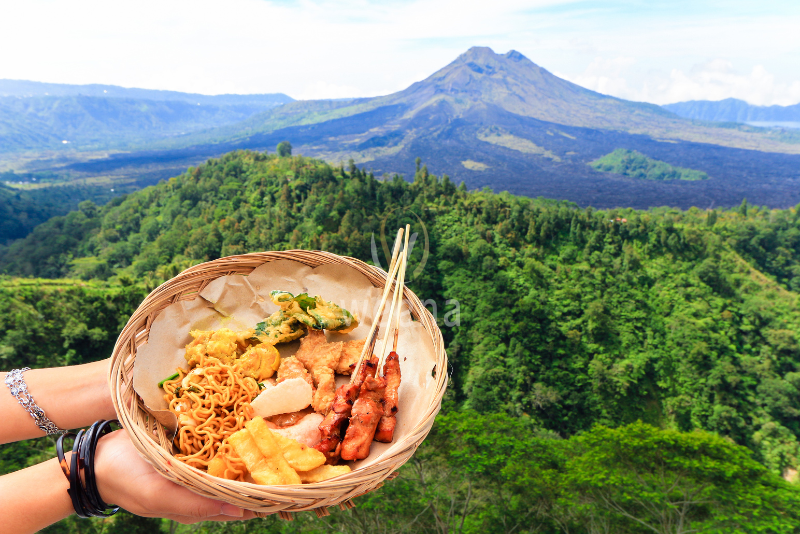

Mountain food, traditionally crafted to meet the dietary needs of people living at high altitudes, is unique in its flavors, ingredients, and nutritional qualities. Dishes found in mountainous regions across the world reflect the resourcefulness of these communities, who make use of limited but nutrient-dense local ingredients to create satisfying meals suited to cold climates and rigorous physical demands. Today, mountain foods not only serve as daily sustenance but also preserve cultural heritage and reflect the adaptive culinary traditions that have evolved over generations.
Characteristics of Mountain Cuisine
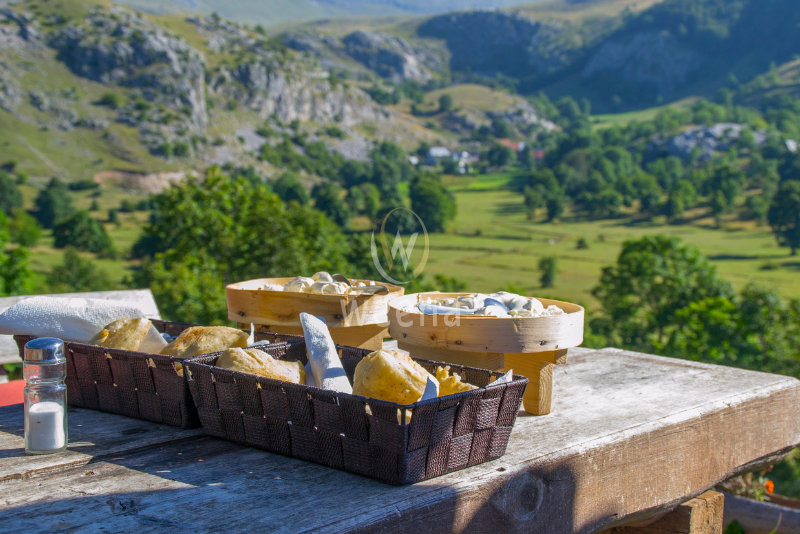
Mountain cuisine is often characterized by its simplicity, heartiness, and use of local ingredients that are naturally available or easy to store. Living in mountainous areas comes with challenges, including harsh climates, limited arable land, and seasonal isolation. As a result, traditional mountain foods rely on ingredients that can be harvested, preserved, and stored to ensure a consistent food supply throughout the year.
1. Hearty and Warming: Mountain dishes are typically designed to provide warmth and energy. Ingredients such as potatoes, grains, legumes, and meats feature prominently, as they provide long-lasting energy and help keep the body warm in cold climates.
2. High-Calorie Content: Due to the physical demands and high-altitude conditions of mountain life, meals are often rich in calories. Butter, cheese, fatty meats, and high-carb foods are common in mountain diets. These calorie-dense ingredients help meet the energy needs of individuals who are often involved in physically demanding activities such as farming, herding, and trekking.
3. Fermented and Preserved Foods: Preservation techniques such as fermenting, drying, and pickling play a crucial role in mountain diets. In many regions, winters are long and harsh, making fresh produce scarce for much of the year. Fermented foods like sauerkraut, kimchi, and yogurt are staples in mountainous regions around the world, providing essential nutrients and probiotics that support gut health.
4. Use of Local Herbs and Spices: Mountainous regions are often home to unique plants and herbs that grow in high-altitude conditions. Herbs like juniper, thyme, and mountain sage are used to flavor dishes, adding complexity and distinctiveness to the cuisine. These herbs also often have medicinal properties, which can provide additional health benefits in isolated mountain environments.
Types of Mountain Foods Across the World
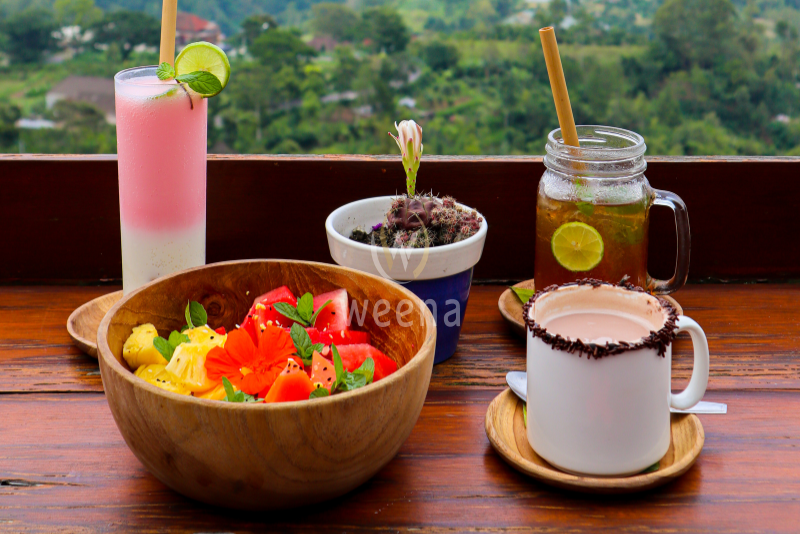
Mountainous regions around the world offer diverse and distinctive foods, reflecting the local ingredients, culture, and traditions of each area. Some well-known examples include:
1. Himalayan Cuisine (Tibet, Nepal, Bhutan): Himalayan cuisine emphasizes hearty ingredients like barley, potatoes, and yak meat, which can withstand the high-altitude climate. Dishes like thukpa (a noodle soup) and momos (dumplings filled with vegetables or meat) are widely enjoyed. Butter tea, made with yak butter and salt, is a traditional drink that provides warmth, energy, and essential fats.
2. Alpine Cuisine (Switzerland, France, Italy): The cuisine of the European Alps is famous for its rich, comforting flavors. Cheese is a staple, with varieties like Gruyère, Raclette, and Fontina commonly used in dishes. Fondue and raclette are popular in the Alps, providing a warming communal meal that uses melted cheese, potatoes, and bread. Alpine dishes also include sausages, cured meats, and hearty stews that provide essential nourishment during long winters.
3. Andean Cuisine (Peru, Bolivia, Ecuador): In the Andes, indigenous communities have long relied on nutrient-dense foods such as quinoa, potatoes, corn, and a wide variety of beans. These foods are high in protein and fiber, making them ideal for the challenging mountain environment. Cuy (guinea pig) is a traditional source of protein, and the high-altitude tuber oca is often used in stews and soups. Additionally, chicha, a fermented corn drink, is a common beverage.
4. Rocky Mountain Cuisine (United States, Canada): Rocky Mountain cuisine is known for its game meats, such as bison, elk, and deer, which are often smoked, grilled, or used in stews. Wild berries, mushrooms, and foraged herbs are also incorporated into meals, showcasing the natural resources available in the region. In modern times, Rocky Mountain cuisine has also incorporated influences from immigrant communities, making it diverse and fusion-oriented.
5. Caucasian Cuisine (Georgia, Armenia): The mountainous Caucasus region features robust, flavorful dishes made from local grains, dairy products, and fresh herbs. Khachapuri, a cheese-filled bread, and khinkali, spiced meat dumplings, are popular dishes. Fermented dairy products, including yogurt and kefir, are dietary staples that provide probiotics and nutrients, supporting digestive health in high-altitude conditions.
Nutritional Benefits of Mountain Foods
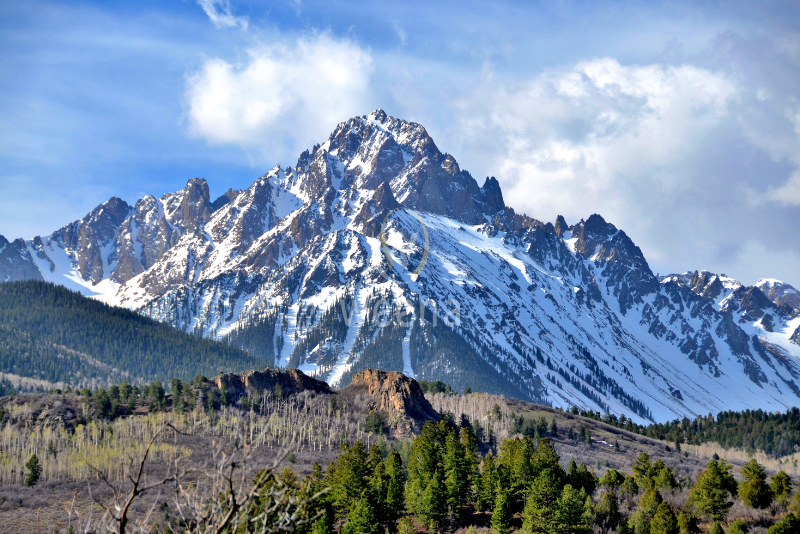
Mountain foods often contain high levels of nutrients, providing essential vitamins, minerals, and energy to sustain physical activity and maintain health in high-altitude environments. The high-protein content in game meats, the fiber and vitamins in root vegetables, and the probiotics in fermented foods all contribute to a balanced and nutritious diet. The altitude of mountainous areas often influences food’s nutrient density as well; for example, potatoes grown in the Andes are known to have a higher concentration of antioxidants than those grown at lower altitudes.
Additionally, fermented foods commonly found in mountain regions, such as kimchi, yogurt, and sauerkraut, are rich in probiotics, which support gut health and immunity. At high altitudes, where fresh food options can be limited for extended periods, these preserved foods provide essential vitamins and beneficial bacteria, preventing nutrient deficiencies.
Modern Considerations: Mountain Food and Sustainability

Mountain foods today are increasingly celebrated for their sustainable practices. Many traditional mountain communities practice sustainable agriculture, relying on crop rotation, animal husbandry, and local resources without overexploiting the land. For example, terraced farming, practiced in the Andes and the Himalayas, minimizes soil erosion while maximizing arable land in steep terrains. Additionally, the use of wild game, foraged plants, and preserved foods reduces the environmental impact associated with long-distance food transportation.
With the rise of eco-tourism, mountain communities have begun to showcase their traditional foods to visitors, blending ancient culinary practices with modern techniques. This growing interest in mountain cuisine has fostered a greater appreciation for sustainable eating practices and local ingredients, offering a model for environmentally conscious food production and consumption.
Conclusion
Mountain food reflects the resilience and ingenuity of communities who have thrived in some of the most challenging environments on Earth. Through their use of local ingredients, preservation methods, and nourishing dishes, mountain cultures have created diets that are both sustaining and sustainable. By celebrating and preserving these culinary traditions, we not only appreciate the rich flavors and nutrients they offer but also gain valuable insights into sustainable and resilient food practices.
For further questions, please contact us through:
Weena Trading Asia Investment Company,
Address: No.1N7, 202 Alley, Vo Chi Cong Street, Xuan La Ward, Tay Ho District, Ha Noi City
Email: info@weena.vn
Phone: +84 70 550 4244
No Comments