


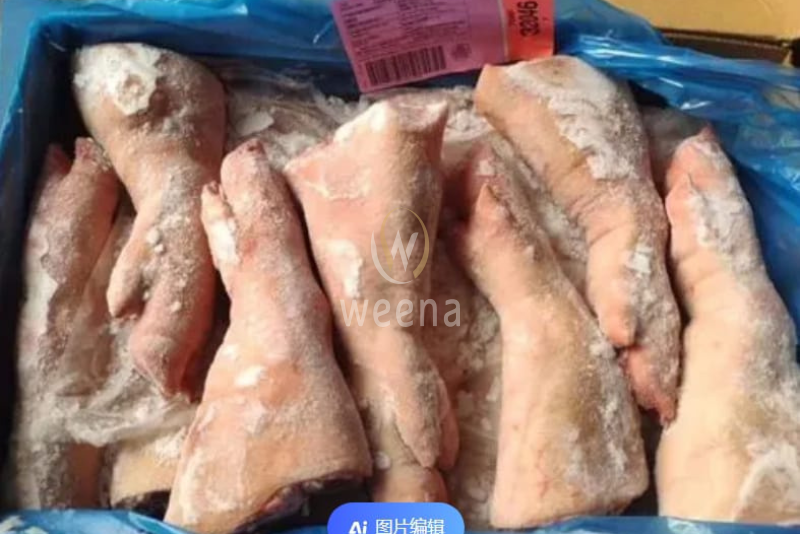

Pork holds a central place in Vietnamese cuisine, celebrated for its versatility, rich flavor, and cultural significance. With a culinary heritage shaped by geography, history, and local traditions, pork is an essential ingredient in countless dishes that reflect the diverse regions of Vietnam.
Cultural Significance
In Vietnam, pork is more than just a dietary staple; it is deeply embedded in the culture. Traditionally, pigs are raised in family homes, particularly in rural areas, where they symbolize prosperity and abundance. Pork is often served during celebrations and festivals, such as the Lunar New Year (Tết), where it features prominently in dishes like “bánh chưng” (square sticky rice cakes filled with pork and mung beans) and “thịt kho tàu” (braised pork belly with eggs).
Varieties of Pork in Vietnamese Cuisine
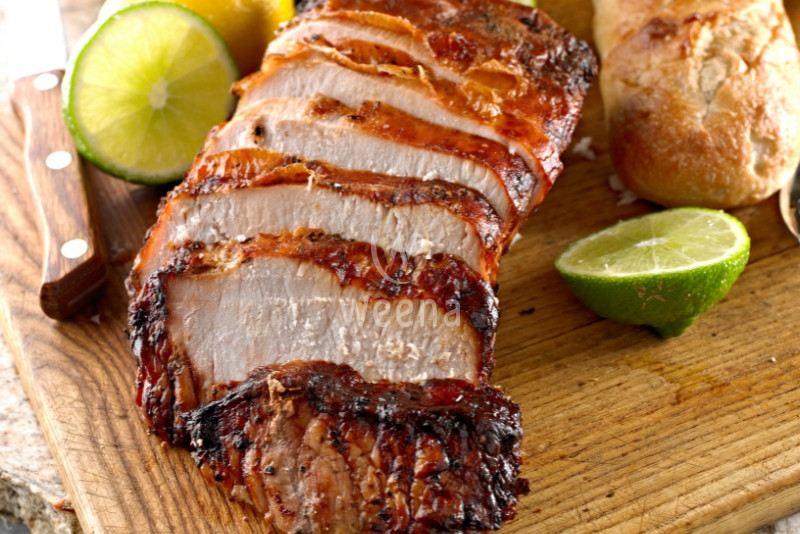
Vietnamese cuisine boasts a wide array of pork dishes, each highlighting different cuts and cooking methods. Here are some popular types:
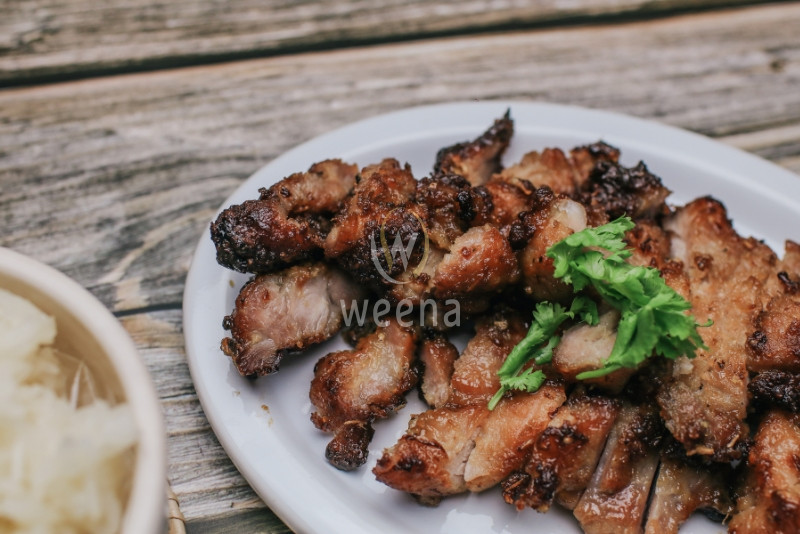
1. Thịt Heo Nướng (Grilled Pork): This dish features marinated pork that is grilled over an open flame, often served with rice noodles, fresh herbs, and dipping sauces. The marination typically includes ingredients like lemongrass, garlic, and fish sauce, imparting a fragrant and savory flavor.
2. Thịt Kho Tàu (Braised Pork): A classic comfort food, this dish consists of pork belly braised with eggs and caramelized sugar, creating a sweet and savory profile. It’s typically served with steamed rice and is popular during festive occasions.
3. Chả (Vietnamese Pork Sausage): This versatile ingredient comes in various forms, including “chả lụa” (Vietnamese pork sausage) and “chả nem” (spring roll filling). These sausages are made from finely ground pork mixed with spices and often wrapped in banana leaves before being steamed or boiled.
4. Bánh Mì (Vietnamese Sandwich): One of Vietnam’s most famous street foods, bánh mì features a crusty baguette filled with various ingredients, including grilled pork, pâté, pickled vegetables, and fresh herbs. The combination of textures and flavors makes it a favorite among locals and tourists alike.
5. Phở (Vietnamese Noodle Soup): While beef is often associated with phở, pork variations exist, particularly in certain regions. Pork phở features a clear broth made from simmered pork bones and is garnished with fresh herbs, lime, and chili.
6. Gỏi Cuốn (Spring Rolls): These fresh spring rolls often contain shrimp and pork, wrapped in rice paper with vermicelli noodles and vegetables. They are typically served with a peanut or hoisin dipping sauce, making them a popular appetizer.
Regional Differences
The way pork is used and prepared can vary significantly across Vietnam’s regions:
– Northern Vietnam: In the north, dishes tend to be less spicy and more subtle in flavor. Pork is often steamed or boiled and served with simple dipping sauces. “Bánh cuốn,” a dish of rice noodle rolls filled with ground pork and mushrooms, is a popular northern specialty.
– Central Vietnam: The central region is known for its bold flavors and use of spices. Pork dishes often incorporate chili and herbs, with specialties like “bánh xèo” (Vietnamese savory pancakes filled with pork and bean sprouts) standing out.
– Southern Vietnam: Southern cuisine tends to be sweeter and incorporates a wider range of ingredients. Dishes like “cơm tấm” (broken rice with grilled pork) showcase the region’s love for grilled meats and fragrant rice.
Health and Sustainability
Pork is a rich source of protein, vitamins, and minerals, making it an important part of a balanced diet. However, there is a growing emphasis on sustainable farming practices in Vietnam. Many families now raise pigs organically, prioritizing animal welfare and environmental sustainability, which reflects a broader global trend toward healthier and more ethical eating.
Conclusion
Pork is a cornerstone of Vietnamese cuisine, celebrated for its flavors and versatility. Whether enjoyed in a fragrant bowl of phở, a hearty serving of braised pork, or a delicious bánh mì, it represents the rich cultural tapestry of Vietnam. From its significance in traditional celebrations to its role in everyday meals, pork continues to play an essential role in the hearts and kitchens of the Vietnamese people.
For further questions, please contact us through:
Address: No.1N7, 202 Alley, Vo Chi Cong Street, Xuan La Ward, Tay Ho District, Ha Noi City
Email: info@weena.vn
Phone: +84 70 550 4244
No Comments