


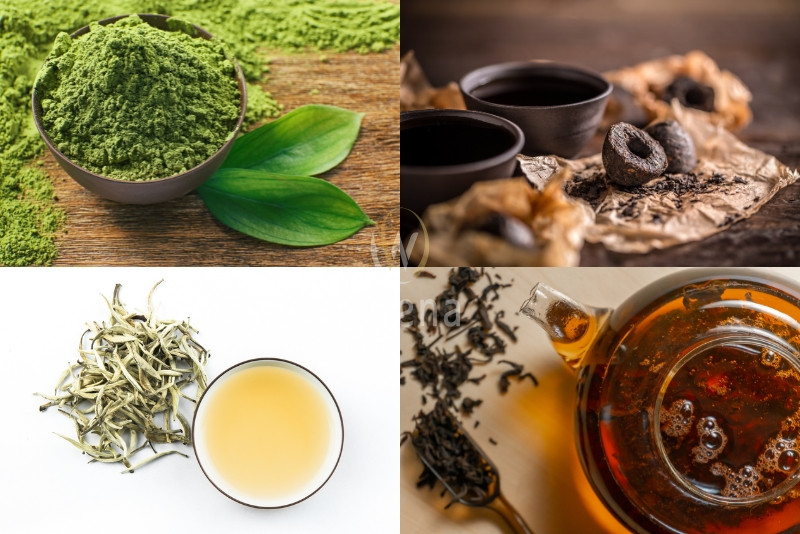

Vietnam’s tea culture is rich and diverse, showcasing a variety of tea types that reflect the country’s unique climate, geography, and traditions. Among the most prominent are black tea, green tea, pu-erh tea, and white tea, each with its distinct characteristics and cultural significance.
Black Tea
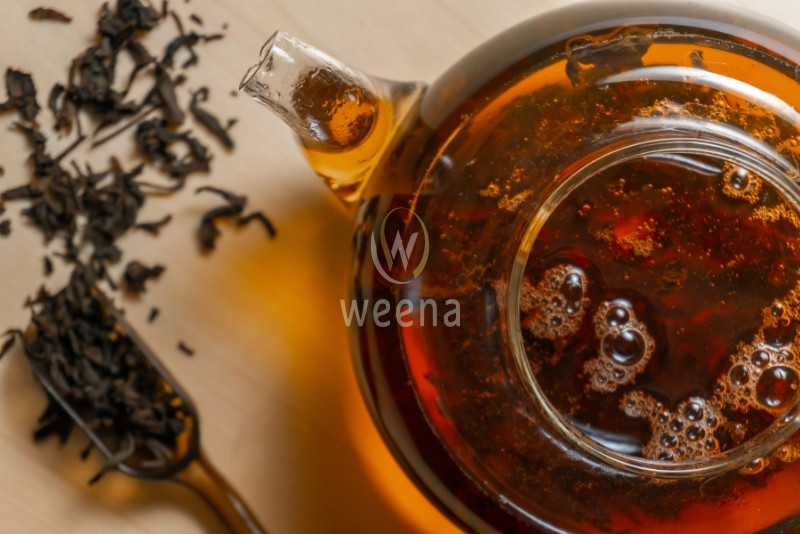
Black tea, known as “chè đen” in Vietnam, has a long-standing tradition, particularly in the northern regions. The tea is fully oxidized, which gives it a dark color and robust flavor profile. Key production areas include Thái Nguyên and Lào Cai, where the climate and elevation create ideal growing conditions. Vietnamese black tea is often characterized by its smoothness and mild astringency, making it enjoyable both plain and with milk or sugar.
In recent years, the popularity of black tea has surged, not only domestically but also in export markets. Vietnamese black tea, particularly the Lục Ngân variety, is known for its fragrant aroma and complex taste. The tea is often served during social gatherings and is an essential part of hospitality in Vietnamese culture. Beyond its flavor, black tea is celebrated for its health benefits, which include antioxidants that may support heart health and improve digestion.
Green Tea
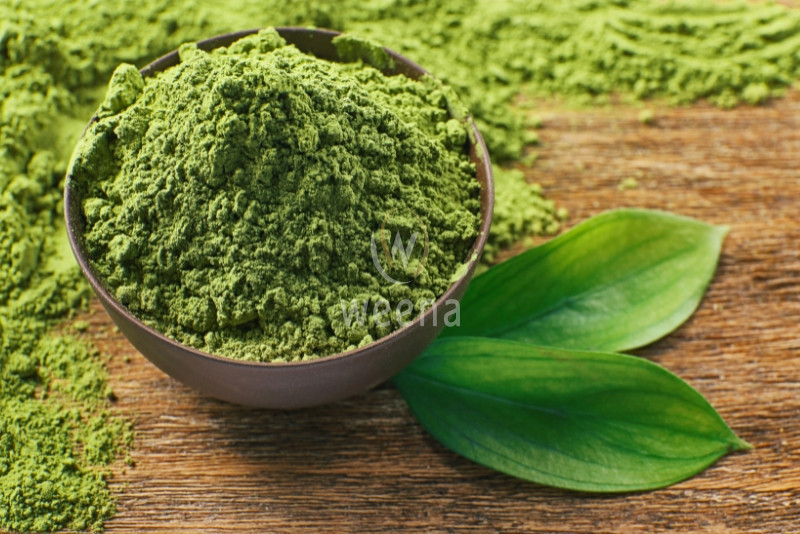
Green tea, or “chè xanh,” is perhaps the most widely consumed type of tea in Vietnam. It is known for its refreshing taste and vibrant green color, produced through a process of minimal oxidation. Key growing regions include Thái Nguyên, known for its high-quality green tea, and the mountainous areas of Lào Cai. The traditional preparation involves steaming or pan-firing the leaves shortly after harvest, which helps to preserve their natural properties.
Vietnamese green tea is often enjoyed in various forms, from loose leaves to tea bags, and is frequently paired with traditional snacks. Popular varieties include Tân Cương, which is celebrated for its sweet flavor, and jasmine-infused green tea, which adds a floral note. Green tea holds a special place in Vietnamese culture, often served during meals and gatherings, symbolizing respect and hospitality. It is also associated with numerous health benefits, such as boosting metabolism and providing antioxidants that support overall well-being.
Pu-erh Tea
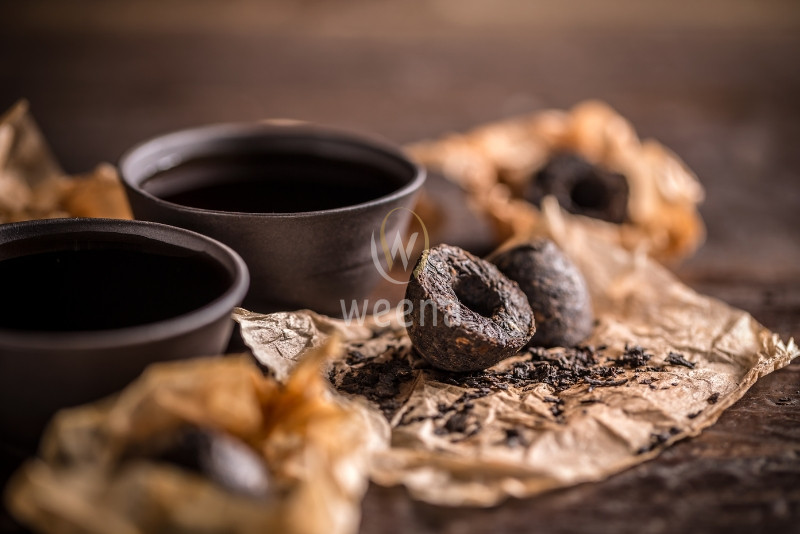
Pu-erh tea, or “trà pu-erh,” is a unique fermented tea gaining popularity in Vietnam, particularly in the northern regions like Lào Cai and Hà Giang. Originating from Yunnan province in China, pu-erh is notable for its distinctive fermentation process, which can be classified into two types: “sheng” (raw) and “shou” (ripe). Raw pu-erh is aged naturally, developing complex flavors over time, while ripe pu-erh undergoes accelerated fermentation for a smoother, earthier taste.
In Vietnam, pu-erh tea is often enjoyed for its rich flavor profile, which includes earthy and woody notes. It is increasingly appreciated for its potential health benefits, such as aiding digestion and promoting weight loss. The cultural significance of pu-erh tea is also growing, with more tea enthusiasts exploring its unique characteristics and incorporating it into traditional tea-drinking rituals.
White Tea
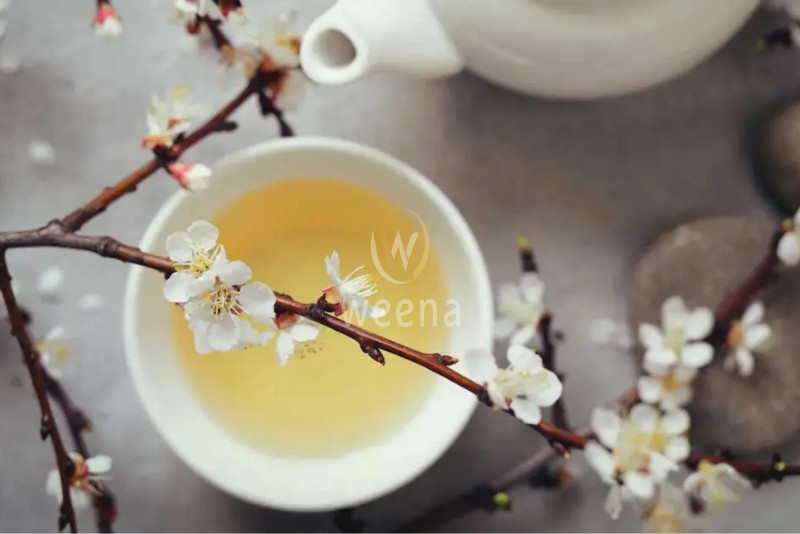
White tea, or “trà trắng,” is the most delicate and minimally processed tea type in Vietnam, made from young leaves and buds of the Camellia sinensis plant. The production involves careful hand-picking and gentle drying to preserve the leaves’ natural flavors and antioxidants. Although white tea is less common than other varieties, it is becoming increasingly popular among tea connoisseurs.
Vietnamese white tea is often produced in limited quantities, primarily in the northern highlands, where the climate is ideal for tea cultivation. Popular varieties include Bai Mu Dan and Silver Needle, each known for its light, floral taste and soothing aroma. Culturally, white tea is typically served during special occasions and is associated with elegance and mindfulness. Beyond its exquisite flavor, white tea is celebrated for its numerous health benefits, including high antioxidant levels that may improve skin health and overall wellness.
Conclusion
In summary, Vietnam’s tea culture is a vibrant tapestry woven from the traditions surrounding black tea, green tea, pu-erh tea, and white tea. Each type reflects the country’s diverse geography and rich heritage, offering unique flavors and health benefits. As the global appreciation for Vietnamese tea continues to grow, these varieties will undoubtedly play an essential role in bridging cultures and fostering deeper connections within the global tea community. Whether enjoyed during a quiet moment at home or shared among friends during a gathering, Vietnamese tea remains a cherished symbol of hospitality and cultural identity.
For further questions, please contact us through:
Address: No.1N7, 202 Alley, Vo Chi Cong Street, Xuan La Ward, Tay Ho District, Ha Noi City
Email: info@weena.vn
Phone: +84 70 550 4244
No Comments