


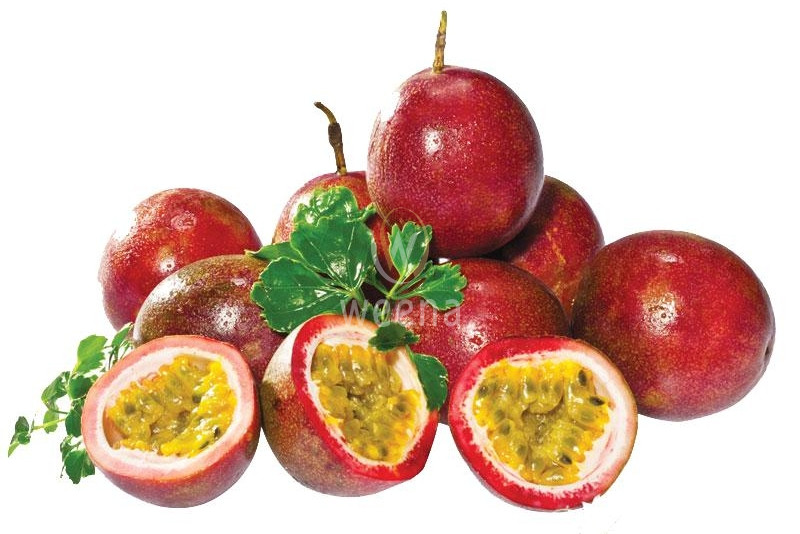

The Fascinating Passion Fruit: A Tropical Delight

Passion fruit, also known as maracujá or granadilla, is a tropical fruit that has gained popularity worldwide for its unique appearance and numerous health benefits. Native to South America, specifically from the region stretching from southern Brazil through Paraguay to northern Argentina, passion fruit has been cultivated since ancient times by Indigenous communities. The fruit was later introduced to Europe in 1553 by Spanish and Portuguese colonisers. Today, passion fruit is grown in various tropical and subtropical regions around the globe, including Asia, Africa, and Australia.
The name “passion fruit” comes from the passion flower, which was named by Spanish missionaries in Brazil as an educational aid to convert Indigenous inhabitants to Christianity. The flower’s intricate structure was used to symbolize the crucifixion of Christ, with various parts of the flower representing different aspects of the Passion of Jesus. This rich history adds to the allure of the fruit, making it not only a delicious treat but also a symbol of cultural and religious significance.
Nutritional Benefits
Passion fruit is low in calories but packed with essential vitamins and minerals. A one-cup serving (236 grams) of passion fruit contains 97 calories, 2.2 grams of protein, 0.7 grams of fat, 23.4 grams of carbohydrates, and 10.4 grams of fiber. It is also a good source of vitamin A, vitamin C, iron, magnesium, and potassium. These nutrients play crucial roles in maintaining overall health, from supporting the immune system to promoting healthy skin and eyes.
In addition to these essential nutrients, passion fruit is rich in beneficial plant compounds like polyphenols, carotenoids, and betacyanins. These compounds contribute to the fruit’s vibrant color and offer various health benefits, including antioxidant and anti-inflammatory properties. The high fiber content in passion fruit also makes it an excellent choice for those looking to improve their digestive health.
Health Benefits
- High in Antioxidants: Passion fruit contains several potent antioxidants, including vitamin C, beta carotene, and polyphenols. These antioxidants help neutralize free radicals, reducing the risk of chronic diseases such as heart disease, cancer, and diabetes. Antioxidants also play a crucial role in protecting the skin from damage caused by free radicals, promoting a healthy and youthful appearance.
- Supports Digestive Health: The high fiber content in passion fruit promotes healthy digestion and helps prevent constipation. Fiber also aids in the absorption of nutrients and supports the growth of beneficial gut bacteria. Some studies suggest that passion fruit may have prebiotic properties, which can further enhance gut health by promoting the growth of beneficial bacteria. Regular consumption of passion fruit can contribute to overall digestive well-being and prevent gastrointestinal disorders.
- Boosts Immune System: Rich in vitamin C and other antioxidants, passion fruit helps strengthen the immune system and protect the body against infections. Vitamin C is essential for the production of white blood cells, which play a crucial role in fighting off infections. The antioxidants in passion fruit also help reduce inflammation and support overall immune function. Including passion fruit in your diet can help you stay healthy and ward off common illnesses.
- Promotes Healthy Skin: The antioxidants in passion fruit can help protect the skin from damage caused by free radicals, promoting a healthy and youthful appearance. Vitamin C is essential for collagen production, which helps maintain the skin’s elasticity and firmness. Additionally, the hydrating properties of passion fruit can help keep the skin moisturized and prevent dryness. Regular consumption of passion fruit can contribute to a radiant complexion and overall skin health.
- May Help Control Blood Sugar Levels: Some studies suggest that passion fruit may help regulate blood sugar levels, making it a beneficial addition to the diet for individuals with diabetes. The fiber in passion fruit helps slow down the absorption of sugar in the bloodstream, preventing spikes in blood sugar levels. Additionally, the antioxidants in passion fruit may help reduce insulin resistance and improve overall blood sugar control. Including passion fruit in a balanced diet can support healthy blood sugar levels and prevent complications associated with diabetes.
Culinary Uses
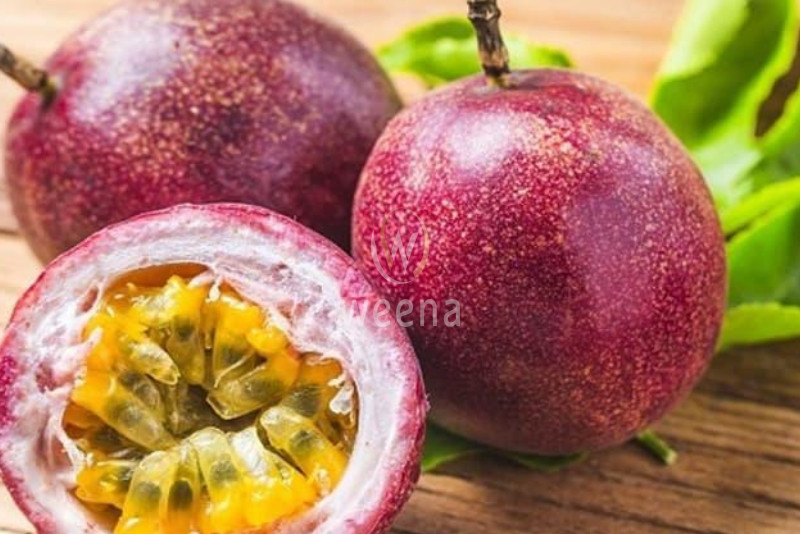
Passion fruit is incredibly versatile and can be enjoyed in various ways. Its tangy flavor and vibrant color make it a popular ingredient in both sweet and savory dishes. Here are some popular ways to incorporate passion fruit into your diet:
- Fresh: Simply cut the fruit in half and scoop out the flesh with a spoon. It can be eaten as-is or added to fruit salads. The flesh can also be diced and used as a topping for yogurt, oatmeal, or smoothie bowls. The seeds are edible and add a delightful crunch to dishes.
- Smoothies: Blend passion fruit with other fruits and yogurt for a refreshing and nutritious smoothie. The vibrant color of passion fruit makes for visually appealing smoothies that are perfect for breakfast or a post-workout snack. You can also combine passion fruit with tropical fruits like mango and pineapple for a delicious tropical smoothie.
- Salads: Add passion fruit to green salads for a burst of color and flavour. It pairs well with ingredients like lime, coconut, and cilantro, making it a great addition to tropical-themed salads. You can also use passion fruit in fruit salads, combining it with other exotic fruits like kiwi and papaya for a refreshing and healthy dish.
- Desserts: Use passion fruit in sorbets, ice creams, and other desserts for a tropical twist. The fruit’s natural sweetness and vibrant color make it a popular choice for creating visually stunning and delicious desserts. You can also use passion fruit to make curds, tarts, and cheesecakes for a unique and flavorful treat.
- Juices: Extract the juice from passion fruit and mix it with other fruit juices for a delicious and hydrating drink. Passion fruit juice can also be used as a base for cocktails and mocktails, adding a unique flavor and color to your beverages. You can also use passion fruit juice to make refreshing popsicles and ice lollies for a cool treat on a hot day.
Fun Fact
Did you know that passion fruit grows on the Passiflora vine, also known as the passion flower? This vine has large, fragrant flowers that are often referred to as “moonflowers” because they bloom only under the moonlight and wither by morning. The name “passion fruit” comes from the passion flower, which was named by Spanish missionaries in Brazil as an educational aid to convert Indigenous inhabitants to Christianity. The flower’s intricate structure was used to symbolize the crucifixion of Christ, with various parts of the flower representing different aspects of the Passion of Jesus.
Passion fruit is truly a tropical delight, offering a unique taste and a plethora of health benefits. So, next time you see this vibrant fruit, don’t hesitate to give it a try!
Address: No.15, Lane 01, An Duong Vuong Street, Phu Thuong Ward, Tay Ho District, Ha Noi, Viet Nam
Email: info@weenatrading.com
Phone: 0084-5 22 30 11
No Comments