




Firsts Words About The Importance Of Food
\
Food is an essential part of human life, providing the necessary nutrients and energy to sustain our bodies and minds. Beyond its basic function of nourishment, food plays a crucial role in cultural traditions, social interactions, and economic systems. Understanding the multifaceted importance of food can help us appreciate its value and encourage more mindful consumption.
Nutritional Significance
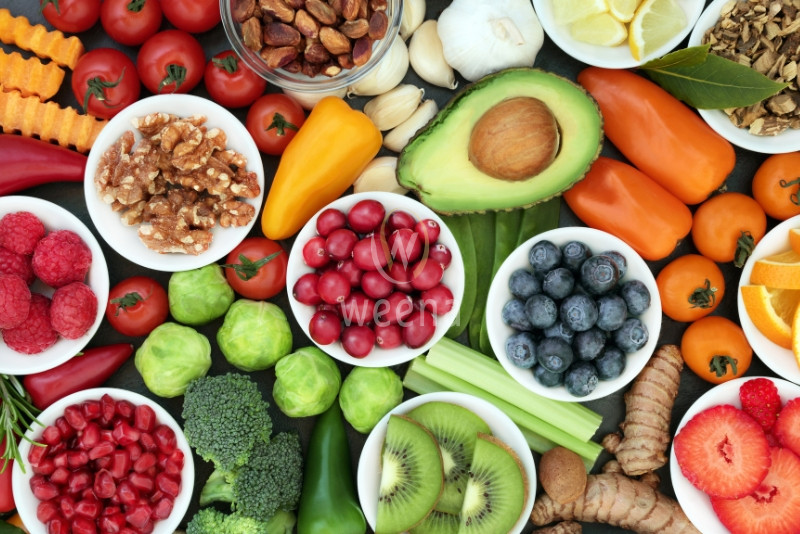
At its core, food is vital for survival. It supplies the body with essential nutrients, including carbohydrates, proteins, fats, vitamins, and minerals. These nutrients are necessary for growth, energy production, and the maintenance of bodily functions. A balanced diet, rich in a variety of foods, ensures that we receive all the nutrients needed to stay healthy and prevent diseases. For instance, fruits and vegetables provide vitamins and antioxidants that boost the immune system, while proteins from meat, beans, and nuts are crucial for muscle repair and growth.
Cultural and Social Importance
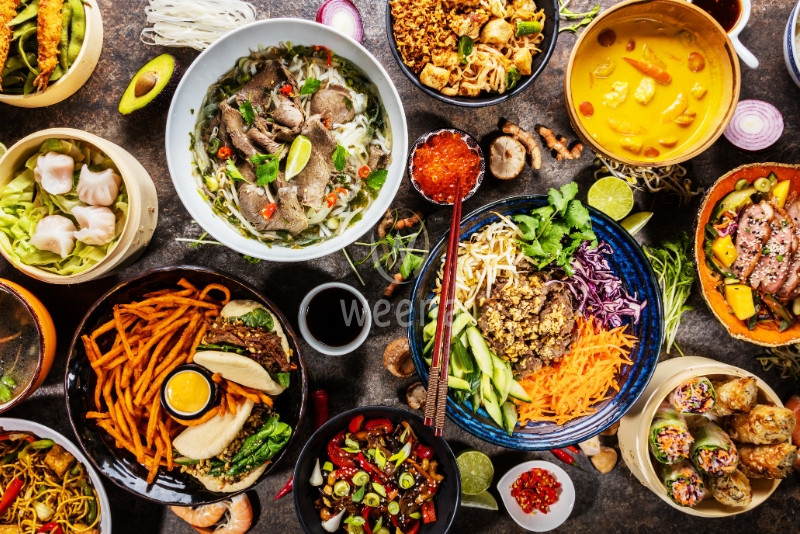
Food is deeply intertwined with culture and tradition. Every culture has its unique culinary practices and traditional dishes that reflect its history, geography, and values. For example, in Vietnam, the preparation and sharing of dishes like pho and banh mi are integral to cultural identity and social gatherings. Food also plays a central role in celebrations and rituals, from holiday feasts to religious ceremonies, fostering a sense of community and belonging.
Economic Impact
The food industry is a significant component of the global economy. It encompasses agriculture, manufacturing, distribution, and retail, providing employment to millions of people worldwide. The production and trade of food contribute to economic stability and growth. Moreover, food security is a critical aspect of national security, as access to sufficient, safe, and nutritious food is fundamental to the well-being of a population2.
Health and Well-being

Healthy eating habits are essential for maintaining physical and mental well-being. Consuming a diet rich in whole foods, such as fruits, vegetables, whole grains, and lean proteins, can reduce the risk of chronic diseases like heart disease, diabetes, and obesity. Additionally, food can influence mental health; for example, omega-3 fatty acids found in fish are known to support brain health and reduce symptoms of depression1.
Environmental Considerations
The way we produce and consume food has significant environmental implications. Sustainable farming practices, reducing food waste, and choosing locally sourced products can help minimize the environmental impact of our food choices. By being mindful of how our food is produced and consumed, we can contribute to a more sustainable and resilient food system.
In conclusion, food is much more than a basic necessity; it is a cornerstone of health, culture, and economic stability. Recognizing the importance of food in its various dimensions can lead to more informed and responsible choices, promoting a healthier, more inclusive, and sustainable world.
Address: No.15, Lane 01, An Duong Vuong Street, Phu Thuong Ward, Tay Ho District, Ha Noi, Viet Nam
Email: info@weenatrading.com
Phone: 0084-5 22 30 11
No Comments