


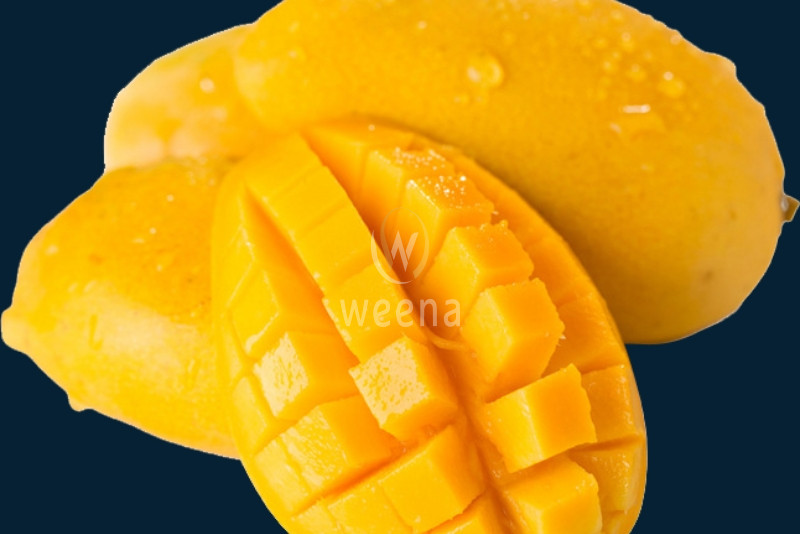

Mangoes, or “xoài” in Vietnamese, are a cherished fruit in Vietnam, celebrated for their sweet, juicy flesh and versatility in culinary uses. Vietnam is a significant player in the global mango market, ranking 14th in production.
Varieties of Mangoes in Vietnam
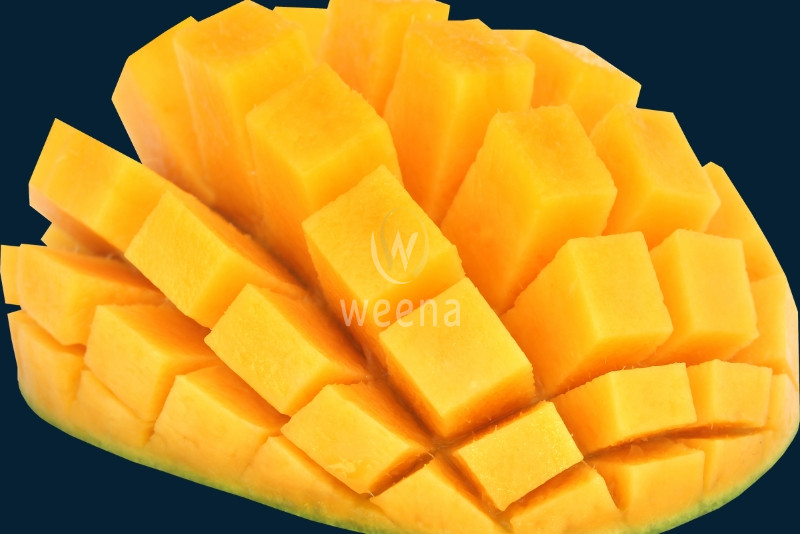
Vietnam is home to a diverse array of mango varieties, each with its unique flavor and characteristics:
- Hoa Loc: Originating from Tien Giang province, this variety is renowned for its large size, firm flesh, and delightful aroma. It turns a beautiful golden color when ripe.
- Cat Chu: First grown in Dong Thap province, the Cat Chu mango is smaller and known for its sweet, fragrant flesh with low fiber content.
- Acacia: Native to the Ta Keo mountains of Cambodia and grown in southern Vietnam, this mango is often eaten raw for its mildly sour taste.
- Elephant: As the name suggests, this variety is large, weighing up to 1 kg. It is often enjoyed raw with a unique sour and crispy taste.
- Australian: Common in Khanh Hoa province, this mango can be eaten both raw and ripe, offering a sweet and crispmay flavour.
Cultivation Regions
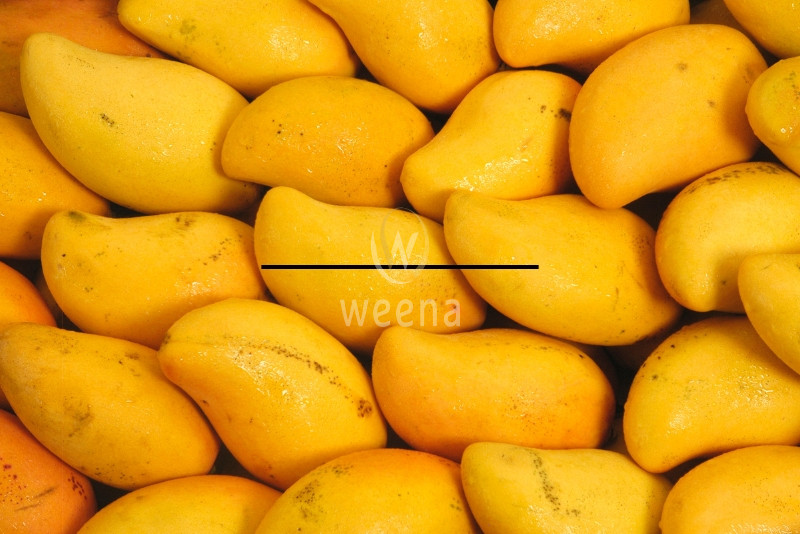
Mangoes thrive in the southern regions of Vietnam, where the warm climate is ideal for their cultivation. Key provinces include Tien Giang, Dong Thap, and Can Tho. In the north, mangoes are grown in provinces like Son La, Ha Giang, and Lai Chau, although the colder climate limits their production.
Culinary Uses
Mangoes are a staple in Vietnamese cuisine, used in both their unripe and ripe forms. Unripe mangoes are commonly used in salads, such as the popular green mango salad (gỏi xoài), which combines shredded green mango with fish sauce or dried shrimp. Ripe mangoes are enjoyed fresh as a dessert or used in fruit salads and desserts for their sweet, juicy flavor.
Economic and Cultural Significance of Mango

Mangoes play a crucial role in Vietnam’s agriculture and economy. While most of the mangoes are consumed domestically, a portion is exported to around 40 countries. The fruit is also culturally significant, often featured in traditional dishes and celebrations.
Conclusion
In conclusion, mangoes in Vietnam are more than just a fruit; they are a symbol of the country’s rich agricultural heritage and culinary diversity. Whether enjoyed fresh, in salads, or as part of a dessert, Vietnamese mangoes offer a taste of the tropics that is cherished by locals and visitors alike.
Address: No.15, Lane 01, An Duong Vuong Street, Phu Thuong Ward, Tay Ho District, Ha Noi, Viet Nam
Email: info@weenatrading.com
Phone: 0084-5 22 30 11
No Comments